The Takeaway
- Glaucoma often causes vision loss before symptoms appear
- Once vision is lost to glaucoma, it can’t be restored
- Risk increases with age, diabetes, and family history
- African American, Latinx, and some Asian seniors face higher risk
- Medicare covers yearly eye exams for many high-risk seniors
Many seniors assume that if their vision feels “fine,” their eyes must be healthy. That’s not always true.
Glaucoma is often called the sneak thief of sight because it quietly damages vision long before most people notice a problem. By the time changes show up, that lost vision is usually gone for good.
According to The Glaucoma Foundation, more than 3 million people in the U.S. are living with glaucoma right now. Many don’t know it.
That’s why regular eye exams matter so much, especially as we get older.
Who’s at higher risk?
While anyone can develop glaucoma, certain groups face a much higher risk—and often at an earlier age.
- African Americans are 6 to 8 times more likely to develop glaucoma than white Americans and are more likely to lose vision from it.
- Latinx seniors may experience faster progression as they age.
- Asian Americans have higher rates of certain less common but serious forms of glaucoma.
- People with diabetes are about twice as likely to develop the disease.
- Adults over 40, especially those with a family history, face rising risk with each decade.
Other factors can include very high or very low blood pressure, extreme nearsightedness, and thin corneas.
The Medicare piece many seniors miss
Here’s a practical point that often gets overlooked: Medicare covers a yearly dilated eye exam for beneficiaries at high risk for glaucoma.
You may qualify if you:
- Have diabetes
- Have a family history of glaucoma
- Are African American and over age 50
If you’re not sure, Medicare can confirm eligibility at 800-633-4227.
That exam can spot early changes before vision is affected—and early treatment can slow or stop further damage.
 Smart Senior Daily Staff
Awareness month, but year-round importance
January is Glaucoma Awareness Month, and The Glaucoma Foundation is using it to spotlight real stories from patients, doctors, and advocates through a month-long awareness campaign.
The message is simple and steady: early diagnosis and treatment are the best defense.
That doesn’t require panic or complicated planning. It starts with something very ordinary—making an appointment for a comprehensive eye exam.
Because glaucoma can damage vision before people notice any symptoms, regular eye exams are especially important for people at higher risk, said Elena Sturman, president and CEO of The Glaucoma Foundation, in a statement marking Glaucoma Awareness Month.
For many seniors, that one small step can help protect the sight they depend on every day.
Questions? We’ve got answers!
For a condition so often described as “silent,” glaucoma raises a lot of very loud questions. Many seniors don’t notice changes in their vision — but they worry about what might be happening beneath the surface.
These are the questions readers most often ask after hearing the word “glaucoma,” along with calm, plain-spoken answers doctors consistently give.
Will I go blind from glaucoma?
Not necessarily. Many people with glaucoma never go blind — especially when it’s caught early and treated. The biggest risk comes from glaucoma that goes undiagnosed or untreated for years.
Can vision lost from glaucoma be restored?
Unfortunately, no. Vision lost to glaucoma can’t be regained. Treatment focuses on protecting the vision you still have.
How fast does glaucoma progress?
It varies widely. Some forms progress slowly over decades, while others can worsen faster depending on eye pressure, genetics, and overall health — which is why follow-up exams matter.
What does glaucoma vision look like?
Early on, most people notice nothing at all. As glaucoma advances, it often affects peripheral (side) vision first. “Tunnel vision” usually shows up only after significant damage has already occurred.
What are the first signs of glaucoma?
Often there aren’t any early symptoms. Glaucoma is usually detected during a comprehensive eye exam before noticeable vision changes appear.
Does glaucoma cause eye pain?
Most of the time, no. The most common type (open-angle glaucoma) is typically painless. However, sudden severe eye pain can occur with angle-closure glaucoma, which is an emergency and needs immediate medical care.
Can you have glaucoma with normal eye pressure?
Yes. Normal-tension glaucoma can occur even when eye pressure readings are in the normal range, so pressure tests alone don’t tell the full story.
How do I know if I have glaucoma?
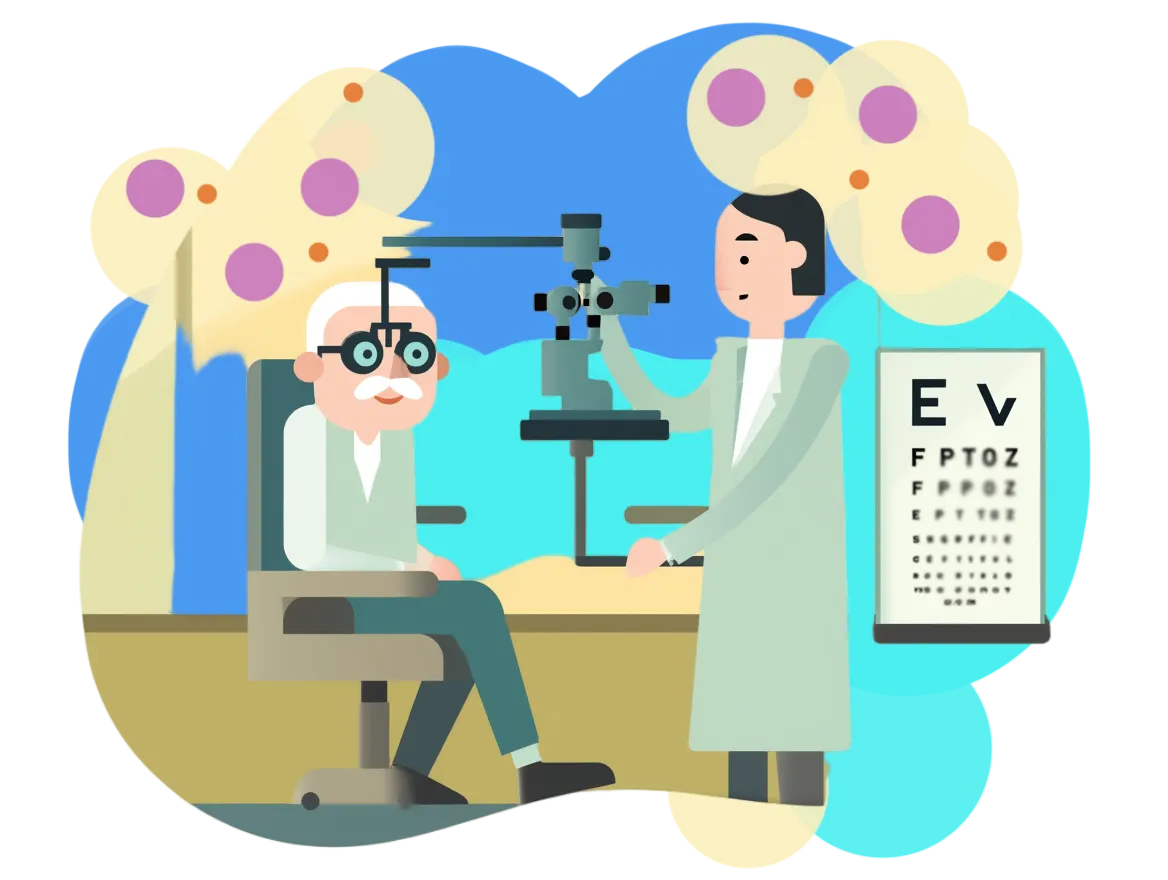
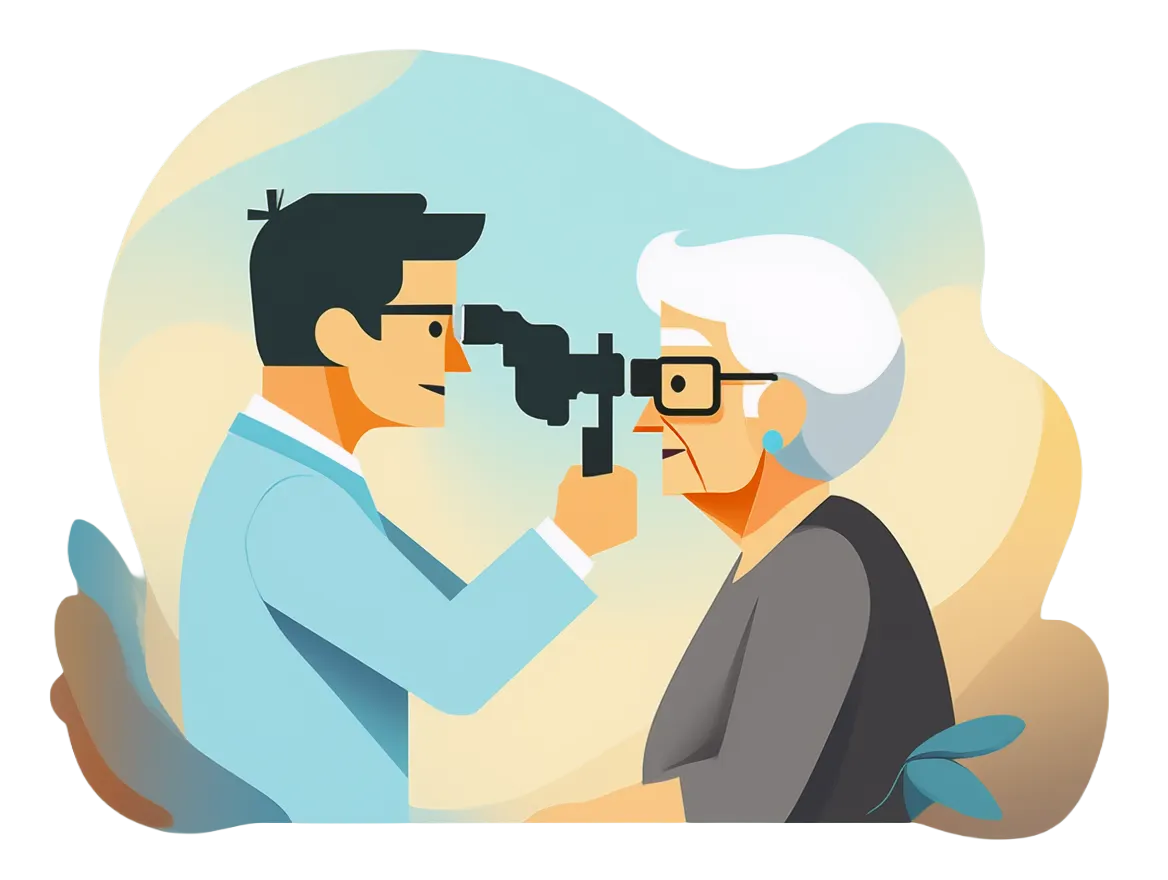
The only reliable way is a comprehensive eye exam. Eye doctors look at eye pressure, the optic nerve, and your visual field (side vision). Many people are diagnosed before they notice any symptoms.
Is glaucoma hereditary?
It can be. A family history of glaucoma raises your risk, which is why doctors often recommend earlier or more frequent screening if a parent or sibling has been diagnosed.
Does high blood pressure cause glaucoma?
High blood pressure doesn’t directly “cause” glaucoma, but blood flow to the optic nerve may affect risk. Extremely high or very low blood pressure can be a concern, especially in older adults — so it’s worth discussing with your doctor.
What causes high eye pressure?
Eye pressure rises when the eye’s fluid (aqueous humor) doesn’t drain as well as it should. That drainage problem can be related to anatomy, age, inflammation, certain medications (including steroids), or other eye conditions.
Can stress cause glaucoma?
Stress doesn’t cause glaucoma by itself, but it can affect the body in ways that may influence eye pressure in some people. Managing stress is good for overall health — just don’t treat it as a substitute for eye care.
Is there a cure for glaucoma?
There’s no cure, but glaucoma can often be managed. Treatment aims to lower eye pressure to slow or prevent further damage. Many people keep stable vision for years with consistent care.
Can glaucoma be treated without surgery?
Yes. Many people start with prescription eye drops, and some benefit from laser treatments. Surgery is usually considered when drops and/or laser aren’t enough to control pressure.
What’s the difference between glaucoma and cataracts?
Cataracts cloud the lens and are often corrected with surgery. Glaucoma damages the optic nerve and causes permanent vision loss. It’s also possible to have both conditions at the same time.
Health Disclaimer: This article is for informational purposes only and does not provide medical advice. It should not replace guidance from a qualified healthcare or eye-care professional. Always consult your doctor or ophthalmologist about eye health concerns, screenings, or treatment options.