If you’ve ever noticed that life feels a little lighter when someone you love is in your corner, science may have an explanation. A new study from UCLA Health suggests that warm, steady emotional support — especially inside a committed marriage — may do more than lift your spirits. It may actually influence your weight, your cravings and even the way your brain and gut talk to each other.
It sounds like something a poet would write:
Love changes your metabolism.
But according to this research, published in the journal Gut Microbes and shared through UCLA Health’s newsroom, there may be more truth in that line than we ever imagined.
 Carolyn Ames
What the study uncovered
Nearly 100 adults from the Los Angeles area took part in the study. They provided everything from brain scans to stool samples to questionnaires about their marriages, their eating habits and the strength of their support systems.
The finding that stood out:
Married people who felt well supported by their spouse had a lower body mass index and fewer signs of food addiction. Their brains, when shown tempting food images, lit up in the dorsolateral prefrontal cortex — the part that helps with self-control and appetite regulation.
Married folks without strong emotional support didn’t show these benefits. Neither did unmarried people, even if they reported good support from friends or family.
In other words, the consistency and closeness of a long-term partnership seems to matter.
The “love hormone” at the center of it all
The research team also measured oxytocin — often called the “love hormone.” It’s released when we bond, hug, hold hands or even simply feel understood.
Married people who felt supported had higher oxytocin levels than anyone else in the study.
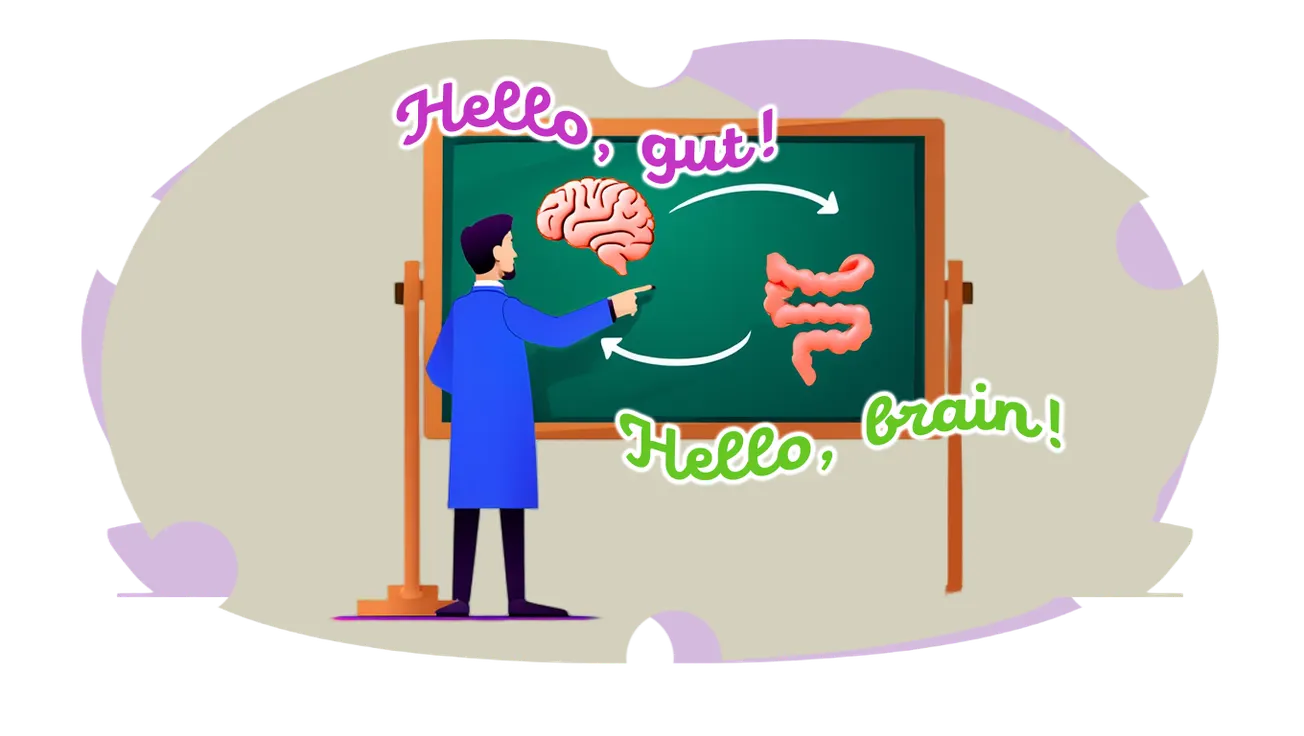
Lead author Dr. Arpana Church described oxytocin as a kind of conductor — the person who stands in front of the orchestra and brings all the players together. In this case, the orchestra is your brain and your gut.
Higher oxytocin appeared to:
- Strengthen brain circuits linked to resisting cravings
- Encourage gut bacteria to produce healthier metabolites
- Steady the whole brain–gut communication loop
All of this was linked to maintaining a healthier weight.
What was happening in the gut
This wasn’t just an emotional story — the biology backed it up.
Participants with strong marital support had healthier patterns of tryptophan metabolites, compounds made by gut bacteria that influence inflammation, immune function, energy use and even serotonin production. These compounds affect mood, social behavior and metabolism.
It’s one more reminder that the gut is deeply involved in how we feel, how we eat and how our bodies respond to stress.
Are gut issues tied to Alzheimer's?
“Marriage as training for self-control”
One of the most intriguing ideas in the study came from Dr. Church herself:
She suggested that marriage may be a “training ground for self-control.”
That made me smile. Anyone who has been married longer than a weekend knows that compromise, patience and choosing long-term peace over short-term impulse can be a daily practice.
Those same self-control circuits — the ones that help you hold your tongue during a disagreement or choose kindness over irritation — may also be the ones that help regulate cravings and emotional eating.
The body keeps score in more ways than one.
What seniors can take away
The study has limitations. It captured just one moment in time, and many participants were already overweight or obese. Married participants tended to be older, too. The researchers were careful to note that more work needs to be done.
But even with those caveats, the message is heartening:
Support matters. Deep, committed, ongoing support.
Not perfection. Not a fairy-tale marriage. Just the steady knowledge that someone has your back.
For seniors — especially those living alone, widowed or navigating new stages of life — the study is a reminder that investing in connection is not just good for the soul. It may also be good for the brain, the gut and the body.
If you’re single or newly solo
This study isn’t saying you must be married to be healthy. It’s pointing to the power of safe, dependable intimacy — the kind that builds trust and calms stress hormones.
You can nurture that through:
- Long-term friendships
- Faith groups
- Support circles
- Volunteer work
- Regular time with grandchildren or adult children
Oxytocin doesn’t only rise in marriage. It rises with kindness, touch, shared meals, laughter, prayer and meaningful conversations.
Your gut listens to your relationships more than you might think.
 Gary P Guthrie
Questions Readers Often Ask
A few quick answers based on UCLA Health’s research on relationships, oxytocin, and the brain–gut connection.
Can marriage really affect weight and metabolism?
According to UCLA Health research, marriage itself isn’t the key factor — emotional support is. Married participants who felt genuinely supported by their spouse showed healthier brain responses to food, better gut metabolism, and lower body mass index. Marriage without emotional support did not show the same benefits.
Does this mean single seniors are at higher risk of obesity?
Not necessarily. The study suggests that consistent, high-quality emotional support matters most. Marriage may provide that structure for some people, but close friendships, family bonds, faith communities, and support groups can offer similar protective effects.
What role does oxytocin play in weight and eating behavior?
Oxytocin — often called the “bonding” or “love” hormone — appears to help regulate cravings, strengthen self-control in the brain, and support healthier gut metabolism. Higher oxytocin levels were found in participants who felt emotionally supported.
How does the gut microbiome fit into this picture?
Strong emotional support was linked to beneficial changes in gut metabolites, particularly tryptophan-related compounds. These influence inflammation, serotonin production, mood, and energy balance — all of which affect appetite and weight regulation.
Can improving relationships really help with food cravings?
Brain imaging in the study showed stronger activity in areas responsible for self-control when emotionally supported participants viewed food images. This suggests that feeling supported may make it easier to resist impulsive or emotional eating.
Is this research relevant for older adults?
Yes. While the study captured participants at one point in time and needs follow-up, its implications are especially relevant for seniors, whose social networks may shrink with age. Emotional connection may play a meaningful role in brain health, gut health, and weight regulation later in life.
What if I’m widowed, divorced, or living alone?
You are not excluded from these benefits. Oxytocin and stress reduction can also increase through close friendships, volunteering, caregiving relationships, faith groups, and regular social interaction. The key factor is connection, not marital status.
Does this replace diet and exercise for weight management?
No. The researchers emphasize that emotional support complements — not replaces — healthy eating, physical activity, good sleep, and medical care. Think of it as an additional pillar of overall health.
Medical Disclaimer: This column is informational and not a substitute for professional medical advice. Always speak with your healthcare provider about weight concerns, emotional health or changes in appetite, especially if you take medications or manage chronic conditions.