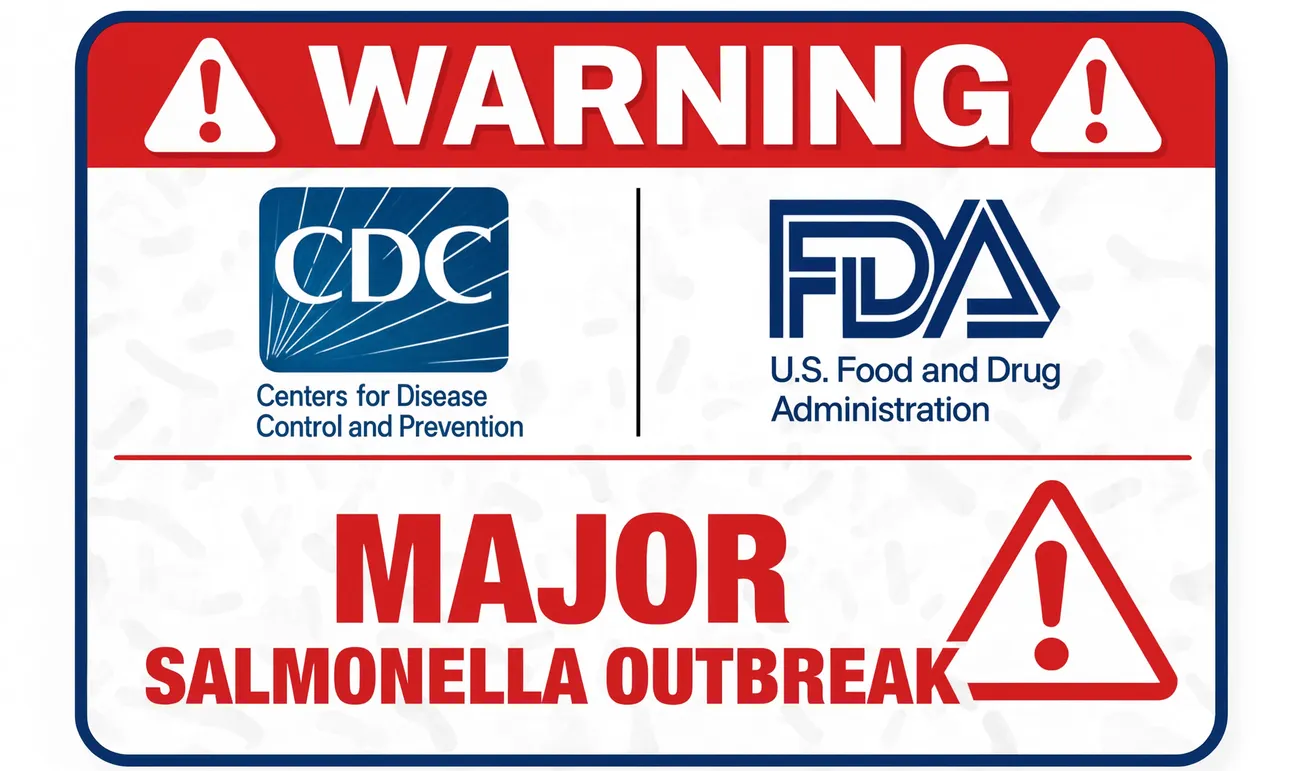
If you take moringa (sold as a superfood for immune support, energy, and inflammation) stop and check your bottle before your next dose. A Salmonella outbreak tied to moringa leaf powder has now spread across 36 states, sickening 119 people and putting 32 in the hospital.
The FDA and CDC originally closed this investigation in March, then were forced to reopen it in May after 22 new illnesses emerged in four states. The recall has expanded three separate times since.
What makes this harder to catch than a typical food recall is the shelf life. These products carry expiration dates running into 2027 and 2028, which means recalled bottles are still sitting in homes right now. Of the 79 people interviewed by federal investigators, 89% reported consuming a moringa product before getting sick. That is an unusually high epidemiological link for a supplement-based outbreak.
Check these brands
The lot number is printed on the bottom of every bottle. If your lot is not in the table below, your product is not part of the current recall. That said, the investigation is still open. The FDA has added lots three times in the past two weeks, so check FDA.gov before your next dose even if your lot currently appears clear.
Four of the six lots currently listed for TNVitamins and all four Doctor's Pride lots were added in the June 2, June 11, and June 13 expansions. If you bought either of those brands in the past year, check the bottom of your bottle carefully.
Do not take any moringa supplement until you have checked your brand and lot number below. This recall expanded three times since May 26 — new lots added June 2, June 11, and June 13. Throw away any recalled product and sanitize any surface it touched.
★ Lot numbers in orange were added in the June 2, 11, or 13 expansions.
Why seniors face higher risk
Anyone can get Salmonella, but anyone over age 65 is significantly more likely to end up in the hospital with a weakened immune system and more vulnerable to the dangerous dehydration that severe diarrhea causes.
The more serious risk is bacteremia. Bacteremia is when bacteria enter the bloodstream, something that can happen with any Salmonella strain, but it is more common in older and immunocompromised patients, and it can turn a gastrointestinal illness into a life-threatening one fast.
Symptoms appear 12 to 72 hours after exposure and typically include fever, diarrhea, stomach cramps, nausea, and vomiting. Most healthy adults recover in four to seven days. Seniors often take considerably longer, and some require IV fluids or hospitalization.
What to do now
Call your doctor right away if you have used any recalled product and develop a fever above 102 degrees, bloody diarrhea, or symptoms that are getting worse after two days rather than better. Do not wait it out.
Then, take these steps:
- Throw away any recalled product. Do not donate it, return it to a store shelf, or leave it in a cabinet for later.
- Wash and sanitize any surface, container, or utensil the bottle touched.
All six companies are required to process refunds. If you want to proceed with that, the contact information is on each company's website and on the FDA recall page.
Sources: FDA outbreak investigation (updated June 13, 2026) | CDC salmonella outbreak page | Food Safety News, June 13, 2026 | Washington State Dept. of Health (Rosabella outbreak)