Here's a rewrite that keeps the structure but sounds more like a person wrote it:
The Takeaway
- Wellness works best when it fits your actual life
- Small habits beat big plans every time
- Showing up consistently matters more than doing it perfectly
- Simple routines stick — complicated ones don't
- If it feels stressful, it's not working
A test? Indulge us – it'll only take two minutes, ok?
How well do you know your wellness habits?
Seven quick questions based on what you just read.
Most seniors have heard plenty of health advice over the years. A lot of it is complicated, demanding, or just plain unrealistic. And when wellness starts feeling like a second job, it's human nature to walk away from it.
The most effective approach isn't about doing more. It's about doing less, actually — but doing it regularly.
This article is about practical habits that fit into real life. Yes, practical. No trends, no extreme routines, no guilt trips. Just steady, simple things that actually hold up over time.
Why Simple Habits Work Better
Energy levels change. Mobility changes. Motivation has good days and bad ones. Wellness habits that don't account for that aren't really designed for seniors — they're just generic advice with the word "senior" dropped in.
Simple habits stick because they don't ask much. They take a few minutes, not an hour. They slide into routines you already have. And on the days when you're tired or not feeling great, the days when you don't want to do anything, they're still doable — which is exactly when they matter most.
Building Habits Without the Pressure
The habits that last didn't start big. They started small and got repeated.
A few things that actually help:
- Start smaller than feels necessary. Five minutes is enough to build momentum. You can always do more, but you have to show up first.
- Attach new habits to old ones. A gentle stretch right after getting out of bed. A short walk after lunch. Piggybacking on something you already do removes the "when do I fit this in?" problem.
- Focus on showing up, not on performance. Whether you did it well matters a lot less than whether you did it at all.
- Let yourself miss a day. One missed day isn't failure. Quitting because you missed a day is.
Consistency Beats Perfection
The biggest obstacle to wellness isn't laziness — it's the belief that if you can't do it right, it doesn't count.
It counts.
Moving a little every day beats one intense workout a week. Eating at regular times beats following strict food rules you'll abandon in two weeks. Getting decent sleep most nights is better than obsessing over every night. Staying in touch with people in small, low-key ways still counts as being connected.
None of that is glamorous. All of it works.
Keep It Enjoyable – fun, too
If you dread a habit, it won't last. That's not a character flaw — it's just how habits work.
Pick activities you already like. Keep routines short. Adjust them when your needs change — because they will. And measure progress by whether you showed up, not by how perfectly you performed.
Wellness at this stage of life isn't about chasing some younger version of yourself. It's about feeling good, having energy, and enjoying your days.
The Bottom Line
You don't need a complicated plan. You need a few simple things you'll actually do — and the willingness to keep doing them even when it's imperfect.
That's it. That's the whole thing.
🔽 FAQs: Tips for seniors to maintain good health
Senior health focuses on maintaining independence and quality of life through regular exercise (150+ mins/week), nutrient-dense diets, and consistent check-ups.
Key habits include staying hydrated, prioritizing 7–9 hours of sleep, engaging in social activities, and keeping the mind sharp. Safety measures like clearing walking paths and installing grab bars are essential for fall prevention.
Physical Health
- Exercise: Aim for 30 minutes of moderate activity, such as walking, swimming, or dancing, 3–5 times a week to improve strength and balance.
- Nutrition: Consume a balanced diet high in fruits, vegetables, lean proteins, and whole grains. Increase calcium and vitamin D intake (1,200 mg calcium/day for 51+ women and 71+ men) to support bone health.
- Hydration: Drink enough water, as thirst sensations can decrease with age.
- Screenings: Stay up-to-date with vaccines (flu, pneumonia) and screenings for blood pressure, cholesterol, cancer, and vision.
Mental and Cognitive Health
- Brain Exercises: Read, play games, do puzzles, or learn new skills to keep the mind sharp.
- Socialize: Maintain social connections to improve mental well-being and reduce stress.
- Stress Management: Practice mindfulness or meditation to manage stress.
Safety and Lifestyle
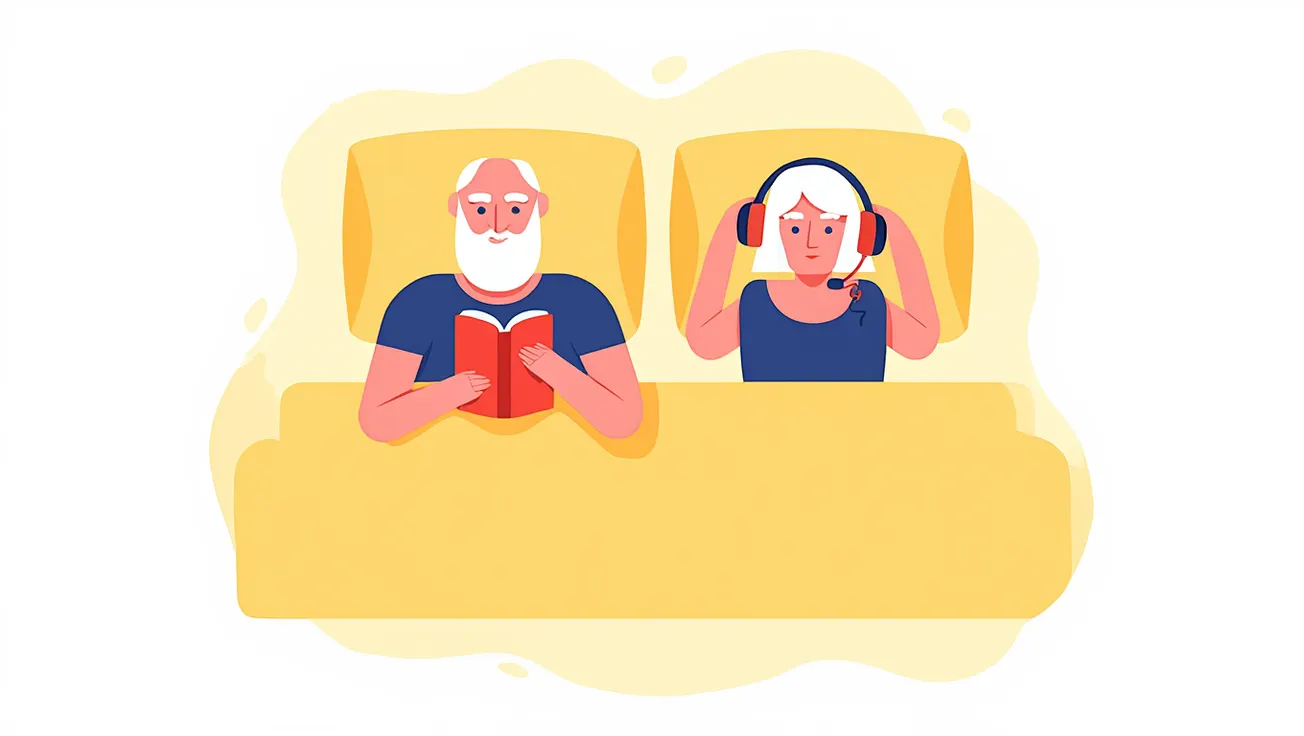
- Sleep: Prioritize 7–9 hours of sleep; create a consistent schedule and a quiet, dark environment.
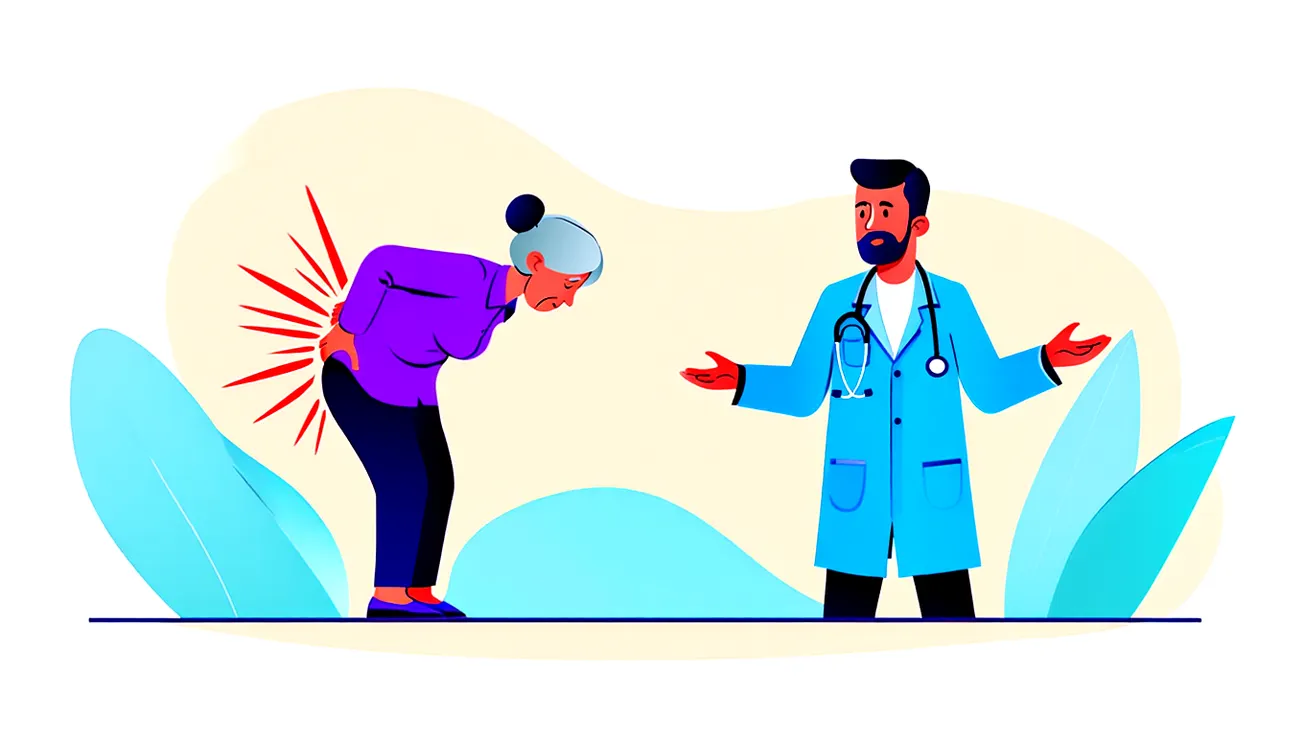
- Fall Prevention: Remove tripping hazards (rugs, cords), improve lighting, and install grab bars in the bathroom.
- Medication Safety: Regularly review medications with a pharmacist or doctor to prevent side effects.
- Smoking and Alcohol: Quit smoking and limit alcohol intake to reduce chronic disease risk. Call Quitlines: 1-800-Quit-Now and ask for some help.
Measurements
- Sleep: 7–9 hours per night.
- Exercise: 150+ minutes of moderate-intensity aerobic activity per week.
- Calcium: 1,200 mg/day (women 51+, men 71+).
- Sodium: Less than 2,300 mg/day.
- Balance: Practice standing on one leg for 20 seconds (using a support) to improve stability.
Medical Disclaimer: This article is for informational purposes only and does not constitute medical advice. Always consult a qualified healthcare professional to determine whether a specific treatment is appropriate for your condition.