The Takeaway
- West Nile virus deaths rose 32% in 2025, with severe cases also climbing.
- Adults 65 and older face the highest risk of deadly complications.
- There is no vaccine and no specific treatment for the virus.
- Prevention and early medical attention are critical for seniors.
West Nile virus is often treated as a summer nuisance — something to swat away with bug spray and forget.
But doctors say that mindset no longer fits the reality.
In 2025, West Nile virus deaths were 32% higher than what’s typically seen, according to infectious-disease experts from the American Medical Association and the Centers for Disease Control and Prevention.
And older adults are bearing the brunt.
“Many people don't think about arboviruses in these patients, but it is starting to be a big problem,” said Capt. Carolyn Gould, MD, MSCR, an infectious-disease physician and medical officer in the CDC’s Division of Vector-Borne Diseases, during an AMA-CDC webinar.
Why seniors face greater danger
West Nile virus has been present in the United States since 1999 and is now the most common mosquito-borne disease in the contiguous U.S., according to the CDC.
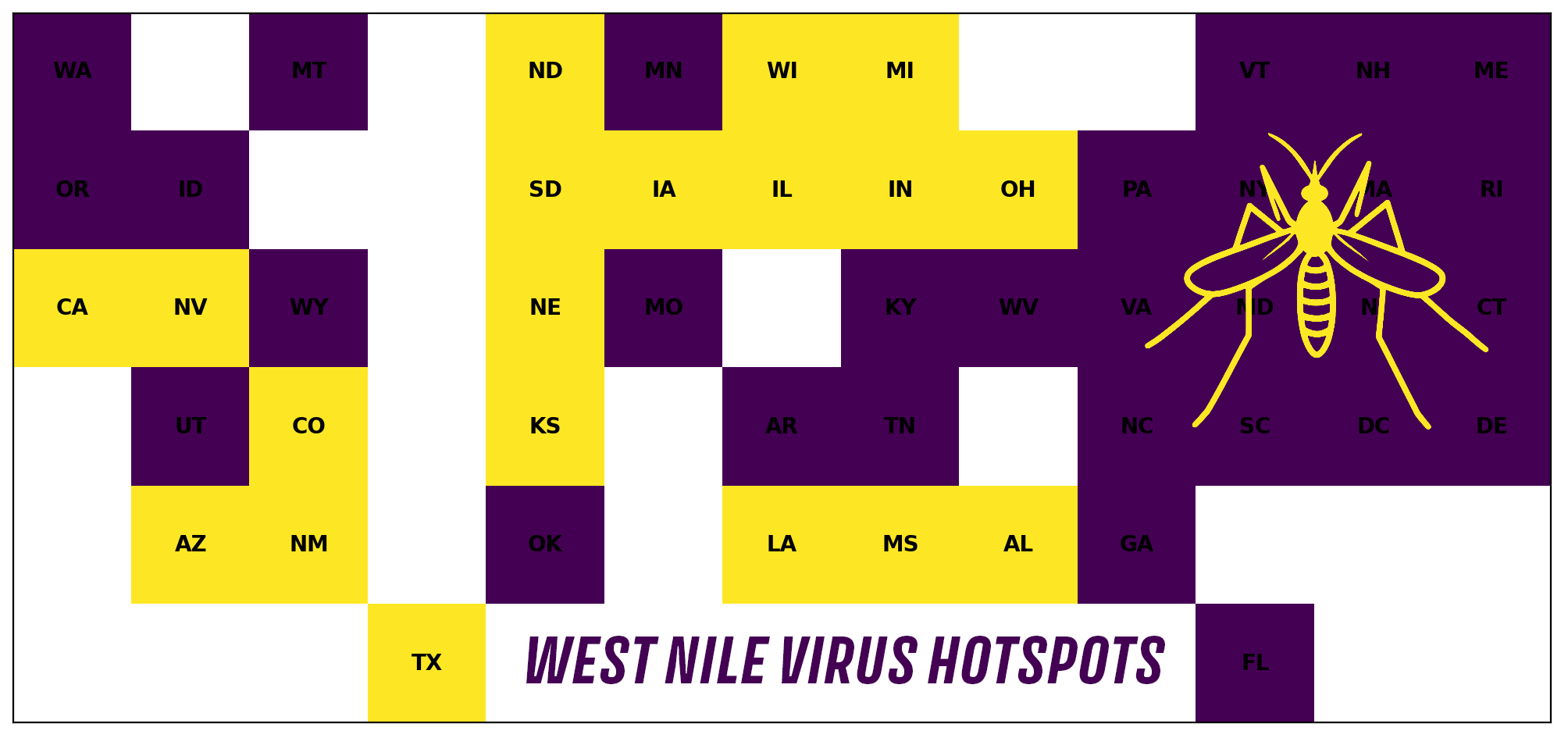
Here's the possible impacted areas in the U.S.:
Most infections cause no symptoms at all.
But when illness does develop, the outcomes can be serious — especially for older adults.
Roughly 20% of infected people develop a flu-like illness, and about 1% develop neuroinvasive disease, which can include encephalitis, meningitis, or acute flaccid myelitis.
Those cases are often life-threatening.
“Among those with neuroinvasive disease, one in ten will die,” said Erica Kaufman West, MD, infectious-diseases director at the AMA, during the same briefing.
Doctors say age-related changes in the immune system, along with chronic conditions like diabetes, kidney disease, and hypertension, help explain why seniors are more vulnerable.
No vaccine means prevention matters
Despite decades of research, there is no approved human vaccine and no proven antiviral treatment for West Nile virus. Care is supportive, meaning doctors can only manage symptoms.
That makes prevention the most powerful protection older adults have.
Health officials continue to urge seniors to:
- Use mosquito repellent when outdoors
- Wear long sleeves and pants during peak mosquito hours
- Keep window and door screens in good repair
- Eliminate standing water around the home
Why this matters heading into 2026
The rise in deaths seen in 2025 is a warning, doctors say — especially for seniors living in states where West Nile activity is consistently higher.
If you or a loved one develops fever, confusion, severe headache, or neurological symptoms during mosquito season, experts say don’t wait to seek medical care.
Disclaimer: This article is for informational purposes only and does not provide medical advice. Talk with your healthcare provider about symptoms, prevention, and personal risk related to West Nile virus.