If you're choosing a Medicare Advantage plan this fall, a new government report is worth your attention, even if you think you'll never need a nursing home stay or have to rehab after surgery.
In June, the HHS Office of Inspector General released two reports (1, 2) examining how the 19 largest Medicare Advantage companies (representing 86% of all MA enrollment) handle prior authorization requests for post-acute care.
Collectively, those plans denied 12% of requests for skilled nursing facility (SNF) admission in the period studied, with individual plan denial rates ranging from under 1% to as high as 23%. Even more telling, when patients challenged those denials, they won 95 percent of the time.
A companion report on long-term acute care hospitals and inpatient rehab facilities found similarly high initial denial rates, with some plans reversing themselves on nearly all of their own decisions once challenged.
Why the Gap Betweeb Denial and Appeal Matters
According to David A. Lipschutz, Co-Director and Attorney at the Center for Medicare Advocacy, the OIG's SNF report breaks out individual plan data by company. Denial rates tended to run higher among for-profit insurers than nonprofit ones, and Humana, CVS, and UnitedHealth were among the plans receiving the most SNF admission requests while also logging three of the five highest denial rates.
A separate KFF analysis from January adds a wrinkle worth knowing: plans that process fewer prior authorization requests per enrollee tend to deny a higher share of them, and vice versa. UnitedHealthcare, for instance, had relatively few requests per enrollee but an above-average denial rate; Humana had more requests per enrollee but a below-average denial rate.
 Smart Senior Daily Staff
This Isn't a New Story
The denial of prior authorizations in managed care isn't something someone in a boardroom came up with last year to eek out more money for the company. In fact, it goes back at least 30 years. Rewind to the late 1980s, when Dr. Linda Peeno, a Louisville, KY, physician, spent about nine months as a medical reviewer for Humana before becoming one of the nation's best-known whistleblowers on managed-care denial practices.
SShe testified to Congress in 1996 and her testimony was later featured in Michael Moore’s documentary “Sicko.” She told of turning down a heart transplant for a young man who might have lived. No one in the industry was ever held accountable for that decision, she said.
Ten years later, Peeno testified before Congress that the tactics of denial had not become less sophisticated, but more. Her story is a reminder that what the OIG documented this past June is not a new failure mode. It’s a decades-old pattern that the industry keeps saying it will fix.
What You Can Actually Check Before You Enroll
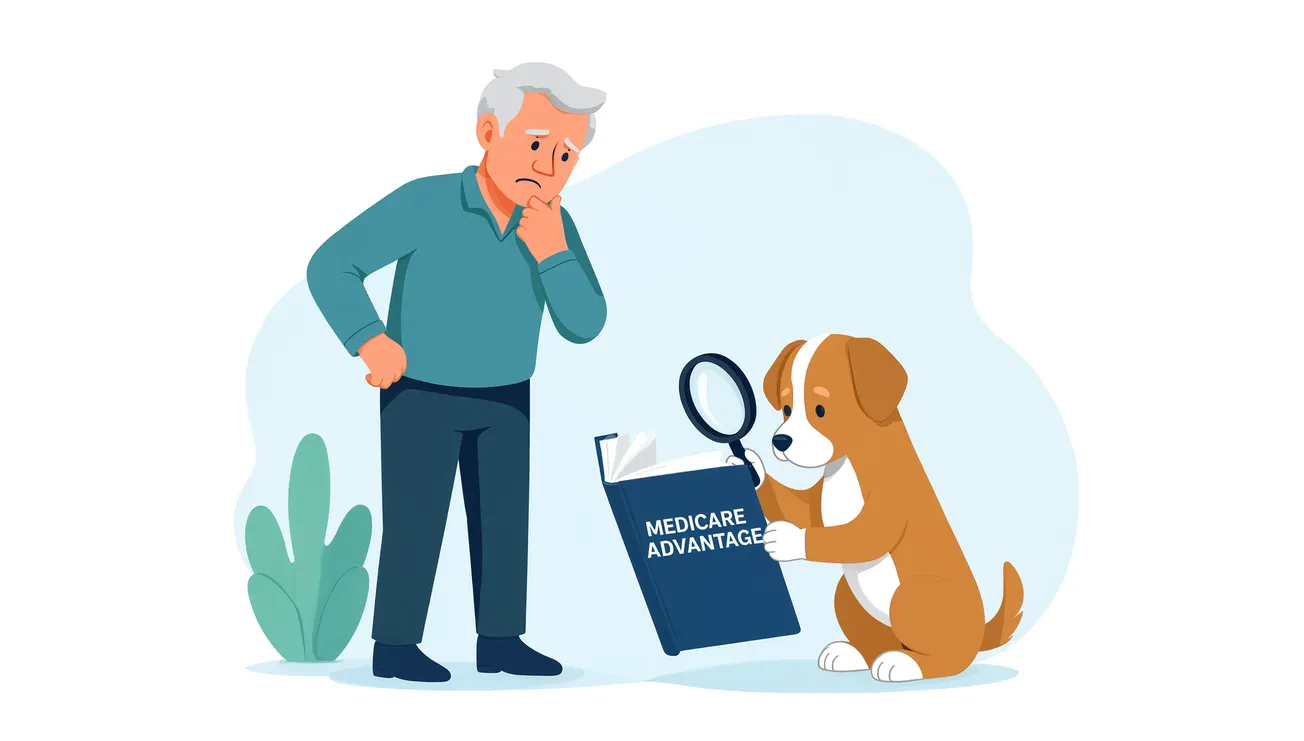
Here's the frustrating part, per the Center for Medicare Advocacy: there's no easy public tool that lets you compare plans by their prior-authorization denial or appeal-overturn rates before you sign up. The OIG and KFF reports are a start, but they only cover a slice of insurers and services (read more here).
As a rule of thumb, "if an item or service is on the expensive side, it will most certainly be subject to prior authorization by a Medicare Advantage plan," Lipschutz says. But reading a plan's prior-authorization list only goes so far.
"You might not gain much information about how a plan's prior authorization process functions other than what items and services are subject to prior authorization in the first place," he says.
If You Do Get Denied
Despite a voluntary pledge insurers made in 2025 to ease up on prior authorization, and 2023 federal rules meant to curb its misuse, "we have not seen much improvement since then, either," Lipschutz says. His advice for anyone denied coverage hasn't changed:
"One bit of advice for individuals who are dissatisfied when they are denied coverage by their plan is to appeal."
Few people do, but per the KFF report, those who do appeal are often successful.
 Smart Senior Daily Staff
The Bottom Line for Open Enrollment
Prior authorization isn't about to go away and get out out of our shadows, and this report doesn't tell you which specific plan to avoid. But it's a good reminder to look past the premium and the extra perks when you're comparing Medicare Advantage plans this fall.
If you or a spouse are likely to need rehab, skilled nursing care, or another post-acute service in the coming year, ask pointed questions about how a plan handles prior authorization. And know that if you get a denial, the odds are good that fighting it will work.