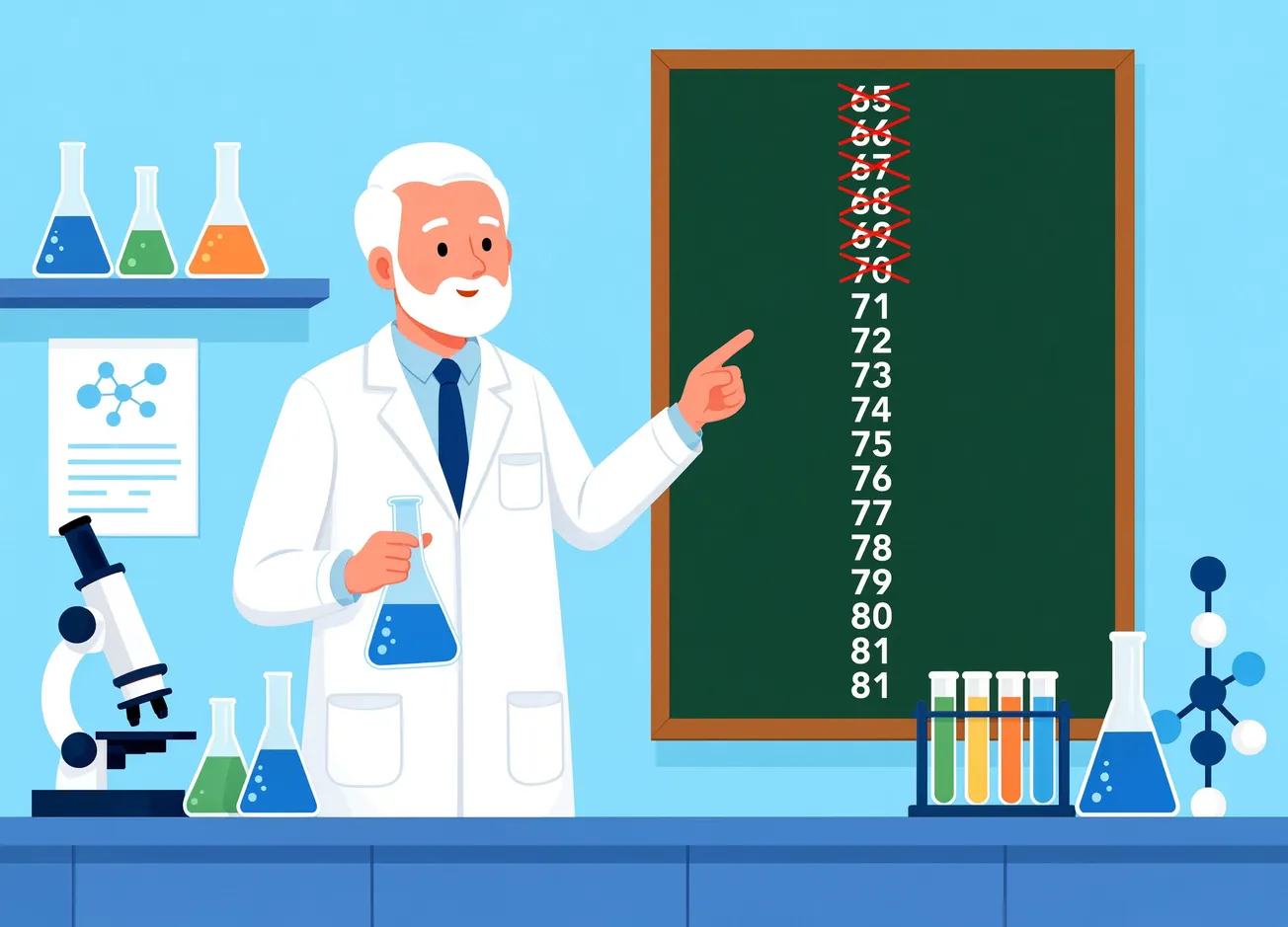
Alzheimer's disease affects nearly 7 million Americans 65 and older — and the numbers are only heading in one direction. That would be up!
Recently, the AMA put together a list of what its member doctors say patients need to know about Alzheimer's. Here's that list of FAQs...
Why it matters: New cases of Alzheimer's and other dementias are projected to double by 2050, driven by a rapidly aging population. Women and Black and Hispanic adults face disproportionately higher risk.
The big picture: Alzheimer's is a type of dementia, not a synonym for it.
- Dementia is a broad umbrella term covering dozens of distinct disorders — Lewy body, frontotemporal, vascular, Parkinson's-related and more.
- Alzheimer's accounts for roughly 60–70% of all dementia cases globally.
What people get wrong: Symptoms don't appear overnight — the brain damage starts decades before anyone notices.
- Abnormal protein deposits (amyloid plaques and tau tangles) begin disrupting nerve cells 10–20 years before memory problems surface.
- Early signs often look like ordinary forgetfulness, making them easy to dismiss.
- A telltale red flag: getting lost driving a familiar route, or struggling to pay bills.
 Smart Senior Daily Staff
The genetics piece: Three genes are known to cause early-onset Alzheimer's, which can strike in a person's 40s. The more commonly discussed gene is APOE4.
- Carrying one or two copies of the APOE4 allele raises your risk significantly — but it's not a guarantee you'll develop the disease.
What's new — and why early diagnosis now matters more than ever:
- Two FDA-approved anti-amyloid medications can slow cognitive and functional decline if caught in the mild cognitive impairment stage.
- Blood-based biomarker tests are in development, offering a less invasive alternative to PET scans and spinal taps.
- There is still no cure.
Carolyn Ames
What you can do:
- Follow a heart-healthy or Mediterranean diet
- Get daily aerobic exercise, plus strength training and balance work
- Prioritize 7–8 hours of quality sleep
- Get hearing and vision checked — untreated hearing loss is a documented risk factor
- Avoid smoking; limit alcohol
- Control blood pressure, cholesterol and blood sugar
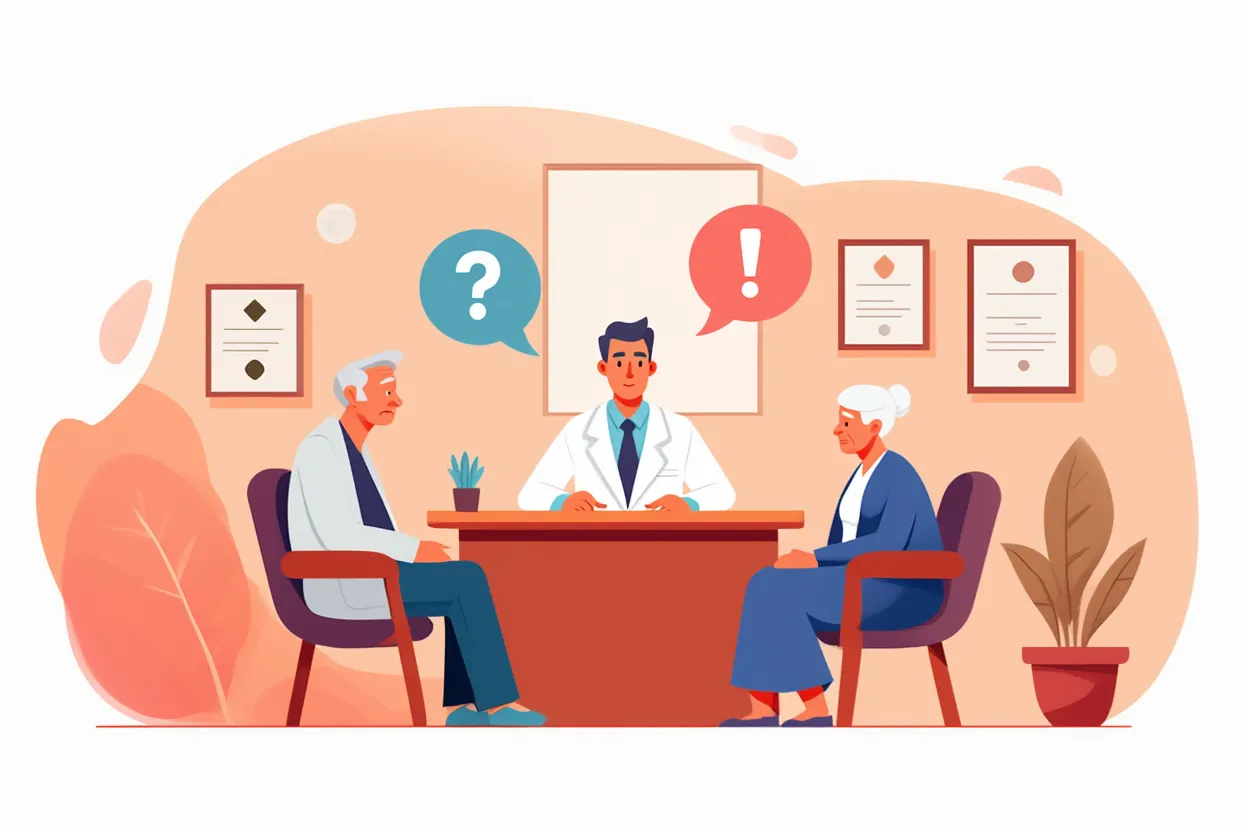
The bottom line: The window for intervention is real but narrow. If something feels off — with yourself or someone you love — get evaluated early. The treatments that exist now only work before significant damage is done.