The Takeaway
- Nearly 9 in 10 adults 50+ say aging in place matters to them
- Medical alert systems are increasingly used before a crisis, not after
- Long-distance caregiving is driving much of the adoption
- Fall detection and home-safety tech now work together as a layered plan
- These tools support independence — they don’t replace human care
For most older adults, the wish is simple: stay in their own home for as long as possible.
That preference has become one of the strongest through-lines in aging research over the past decade. Surveys consistently show that adults 50 and older overwhelmingly want to age in place, even as health needs change and family members live farther away.
What has changed is how families are trying to make that goal safer — and less stressful.
Across the U.S., medical alert systems are no longer viewed as a last-ditch solution after a bad fall. They’re increasingly part of an early, proactive safety plan designed to support independent living.
Aging in place meets the reality of distance
Andy Droney, Senior Director of ADT Health, says the tension many families face is simple: independence versus proximity.
“There’s a strong desire among older adults to remain independent — nearly 75% of adults aged 50 and over say they would prefer to age in place,” Droney said. “At the same time, families are more dispersed than ever, which means loved ones can’t always be physically present to help in an emergency.”
Medical alert systems, he explains, have increasingly become a way to bridge that gap — offering reassurance without taking autonomy away.
In other words, they’ve become a way to extend peace of mind across distance — without hovering.
Why families are adopting medical alerts earlier
One shift Droney sees clearly: timing.
Families are no longer waiting for a serious injury or hospital stay to start thinking about safety. Instead, many begin exploring medical alerts during relatively healthy years — especially when someone lives alone full-time, spends time outdoors, or wants reassurance while maintaining an active routine.
That change helps explain why medical alert sales have climbed sharply since 2020, mirroring broader delays in assisted living moves and a longer stretch of independent living at home.
Not just emergencies: how the technology is used today
Modern medical alert systems don’t focus solely on emergency buttons.
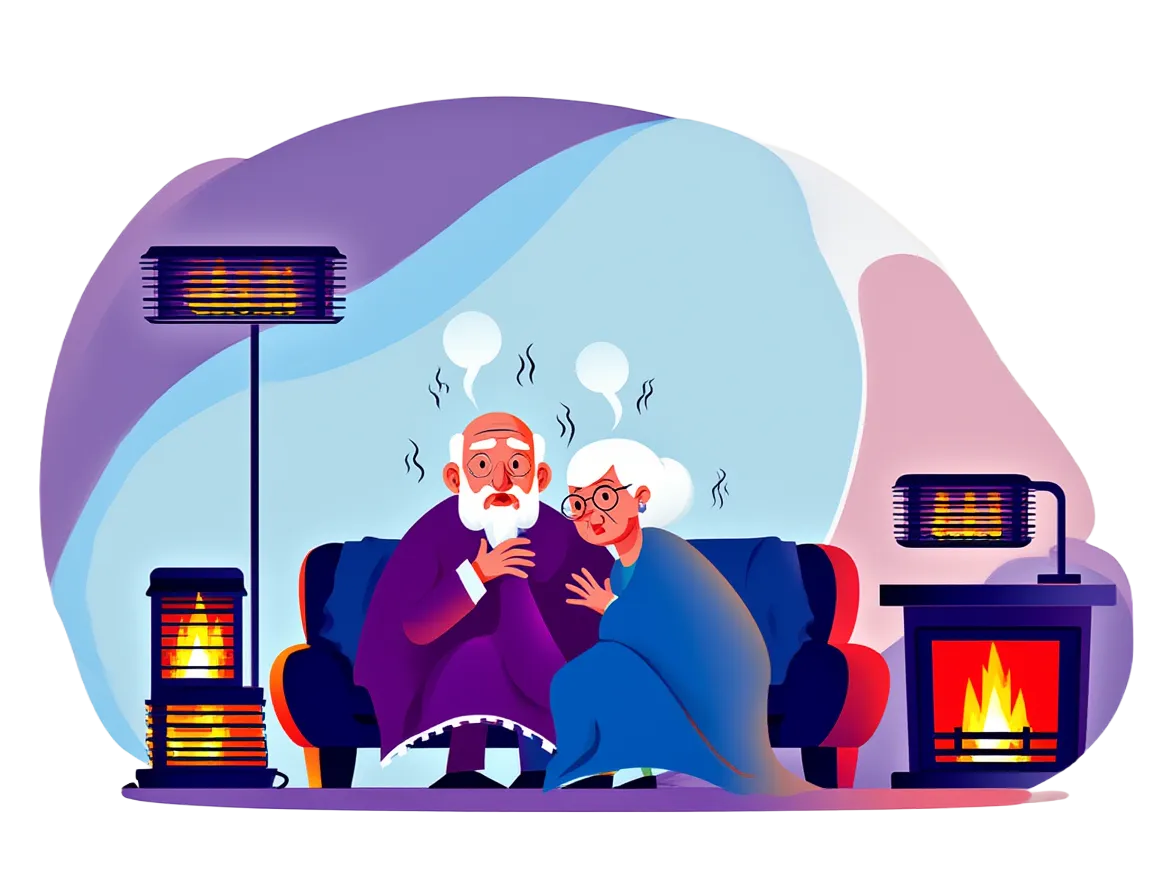
Droney explains that newer systems are designed to quietly support everyday life — from automatic fall detection if someone slips while working in the yard, to temperature monitoring that can alert families to potentially dangerous drops during colder months.
Those capabilities allow older adults to stay active while giving caregivers confidence that help is available if something unexpected happens.
A layered approach — not a replacement for care
One reason medical alerts feel less stigmatized today is that they’re rarely used alone.
They’re often paired with simple home-safety technology — better lighting, smoke and carbon-monoxide monitoring, or hands-free communication tools — to create a layered safety plan.
Droney is careful to stress that technology doesn’t replace human care or regular check-ins. Instead, it fills the gaps when people can’t be there in person, helping reduce the risk of emergencies becoming disasters.
Independence for seniors, reassurance for caregivers
For older adults, the benefit is confidence — the freedom to keep routines, move around the home, and live independently with a safety net in place.
For caregivers and families, it often means fewer late-night worries and fewer “what if” scenarios playing out in their heads.
As technology continues to evolve, medical alert systems are becoming a foundational part of how families support aging in place — not as a symbol of decline, but as a practical tool for aging well.
Related: Aging-in-Place Tech Families Actually Use
(See the safety-tech module below for common tools families add alongside medical alerts.)
Disclosure: Smart Senior Daily may earn a small commission from links on this page, at no additional cost to you.
Disclaimer: This article is for informational purposes only and does not replace medical, safety, or caregiving advice. Families should evaluate individual needs and consult professionals when making care decisions.