By Jennifer Winarski, RN BSN, Senior Manager of Care Operations and Quality, Homewatch CareGivers
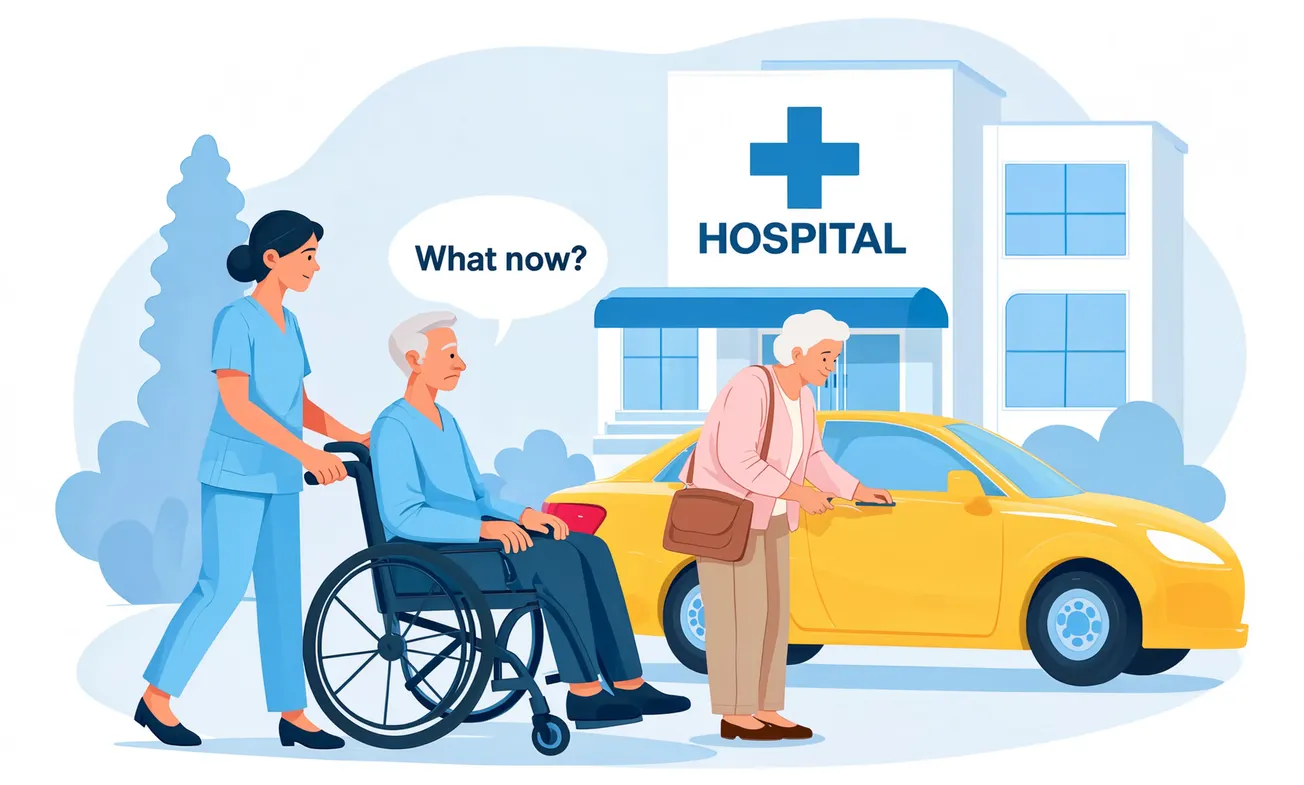
People often assume the hardest part of recovery is the hospital stay. In reality, the first hours at home can be the most vulnerable.
The reasons people end up in the hospital vary widely. A planned knee replacement. Pneumonia that got serious faster than expected. A fall, a cardiac event, a stroke that came out of nowhere. Every recovery looks different.
What happens after discharge, though, is often surprisingly similar. Patients are usually weaker than expected. Families are unsure what to watch for. The home is rarely as ready as everyone hoped. People leave with a stack of instructions, new prescriptions, and plenty of unanswered questions.
The Place Where the Biggest Risk Lies
There is real relief in walking out of the hospital. That feeling is often followed by a quieter concern. What does normal recovery actually look like now that I’m home?
Many people do not realize this uncertainty is one of the biggest risks during recovery. According to CMS data, nearly one in five Medicare patients return to the hospital within 30 days of discharge. It is not always because something went terribly wrong. More often, the gap between leaving the hospital and successfully recovering at home is larger than families expect.
What Often Happens Instead
Hospitals provide excellent care, but discharge can feel like a quick handoff. Families expect to settle in and figure things out as they go. Instead, practical challenges begin almost immediately.
- Medications do not match previous prescriptions.
- Equipment does not fit the home the way they expected.
- Follow-up appointments have not been scheduled.
- The patient is much weaker than anyone anticipated.
Each issue seems manageable on its own. Together, they can quietly derail a recovery before it has a chance to begin.
The biggest gap in care is usually not medical... it is logistical. Family members want to help, but they have jobs or live out of town. Patients want to remain independent even when fatigue, pain, and new medications make everyday tasks much harder than they expected.
 Smart Senior Daily Staff
Why the First 48 Hours Matter
Recovery in the hospital follows a routine. Medications arrive on time. Nurses check in regularly. Meals appear. Help is always close by. At home, all of that structure disappears.
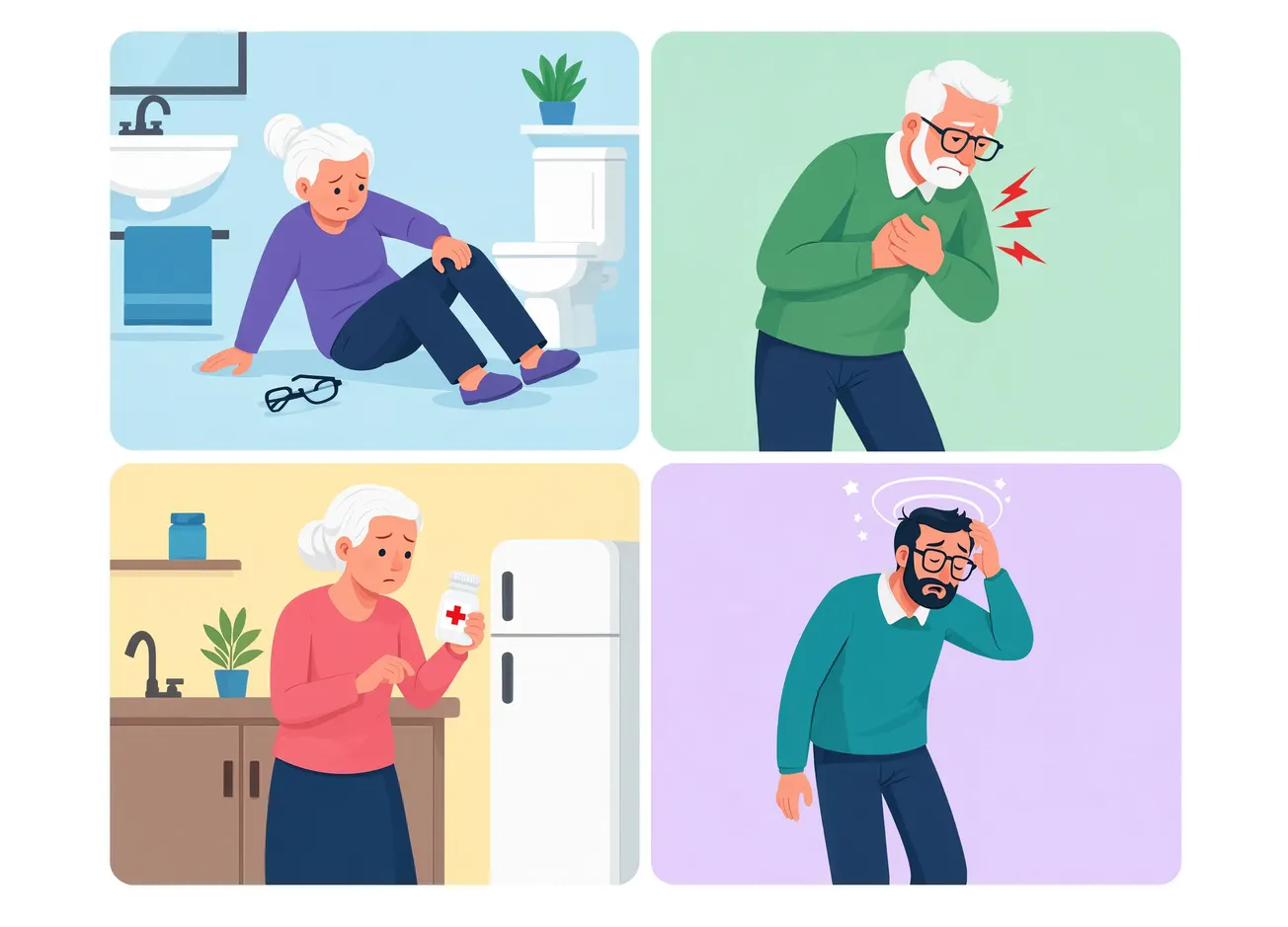
Medication confusion is one of the first challenges. New prescriptions, dosage changes, and discontinued medications can be difficult to manage, especially when someone is exhausted or uncomfortable. Missing a dose or taking the wrong medication can quickly create problems.
Fall risk also increases. Strength and balance are often reduced after surgery or illness. Pain medication, dizziness, and even a trip to the bathroom in the middle of the night can make a fall much more likely.
Another challenge is knowing what is normal. Discharge instructions explain what to do, but they rarely prepare patients for what recovery actually feels like. A lot of people go home with a low-level worry humming in the background, and they wonder, Is this pain normal? Should I be this tired? Or when do I actually call someone?
The preparation that makes the biggest difference
The best discharge planning begins before leaving the hospital. Ideally, it starts before a scheduled procedure.
Preparing the home means a variety of things: removing tripping hazards, clearing walking paths for mobility devices, stocking the kitchen with nutritious meals, and making sure prescriptions are filled before the patient arrives home.
Preparing for post-hospital care is just as important. For some families, that means:
- Having a relative stay nearby.
- Others arrange nursing support for wound care, vital sign monitoring, medication education, or
- Simply having a trained professional who can recognize early warning signs such as fever, worsening pain, shortness of breath, or confusion before they become emergencies.
The goal is not to take over someone's recovery. It is to reduce the preventable risks that often appear when patients return home before they or their families feel ready.
 Harry S. Margolis
Three Questions Worth Asking Before You Leave
Before you or a loved one walks out the hospital door, ask the care team these three questions:
1. What are the three most important things I should do during my first 24 hours at home?
2. Which symptoms are expected and which ones mean I should call for help?
3. Who should I contact if I have a question tonight or over the weekend?
These are simple questions. The answers can make a meaningful difference.
The Bottom Line
Leaving the hospital is an important milestone, but it’s not the finish line. The first 48 hours are when recovery meets real life. With some preparation, medications sorted, and the right support in place, those first days don't have to feel so precarious.
Jennifer Winarski, BSN, is the Senior Manager of Care Operations and Quality at Homewatch CareGivers, providing clinical leadership across home care and skilled nursing services nationwide.