Every house has a playlist. Forty years of records, some you spin every week, some you haven’t touched since the Carter administration (1977-81 if you forgot 😉). Downsizing makes you the station's program director, and the new station only has room for the hits.
That’s the hard part. Not the boxes. The decisions.
Smart Senior Daily put the downsizing conundrum to moving pros, organizers, and a real estate broker on how to sort a lifetime of belongings into keep, give, sell, and toss. Their answers lined up more than you’d think.
 Smart Senior Daily Staff
Start With Where You Are Going
Frederick Blum, broker/owner of Blum Realty Group in San Diego, says the new floor plan should drive everything. Measure the rooms and the closets before deciding what comes along. And don’t wait for the For Sale sign.
“A closing deadline is a stressful time to make decisions about a lifetime of belongings,” he says.
Marshall Aikman, president of Amazing Moves Moving & Storage in Denver, says start two to three months out. People routinely lowball how much they own and how long sorting takes.
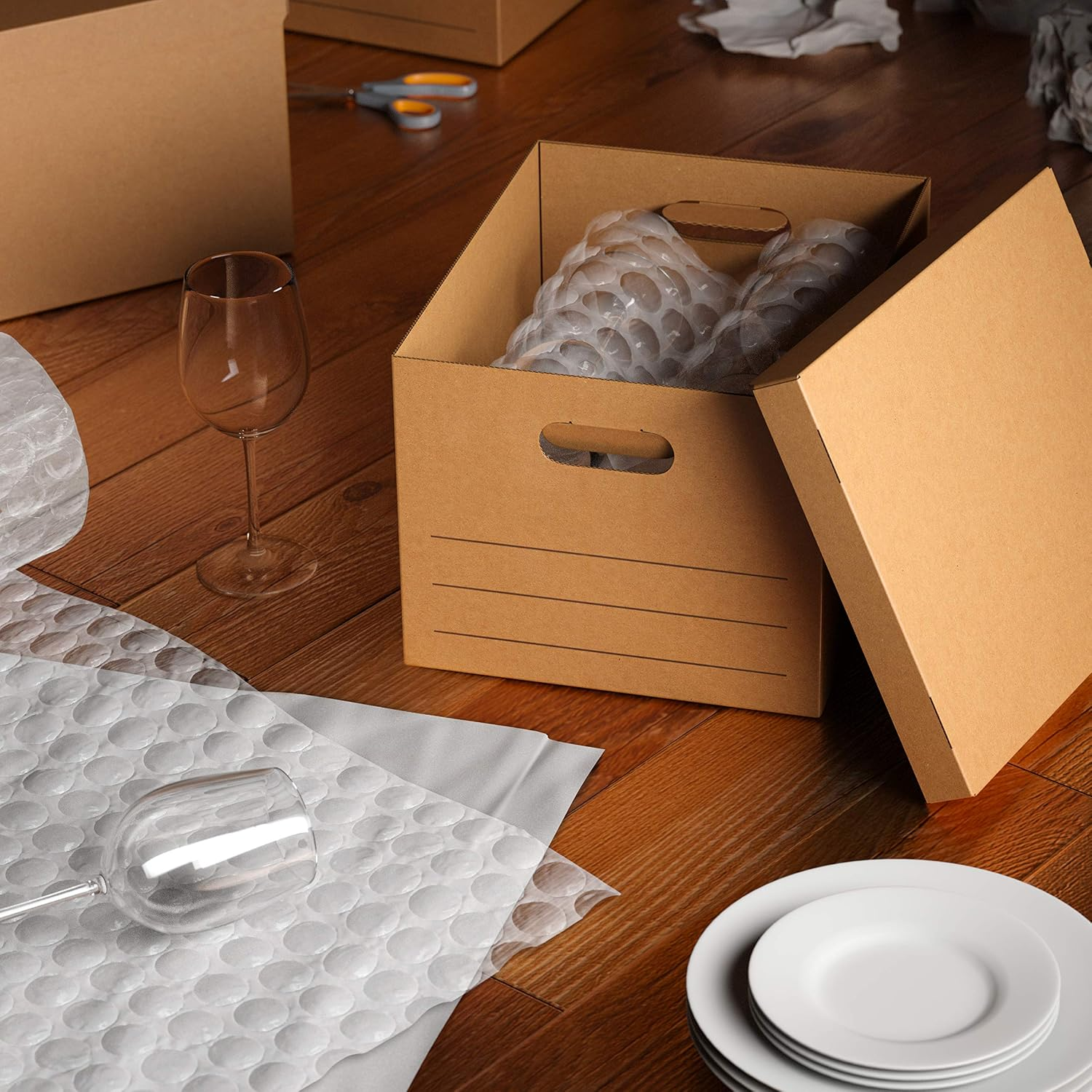
Clear the Path First and the Memories Last
Susan Hackett, VP of operations at Williams Lifts, looks at this from the safety side. First, get rid of what you trip over: the extra chair in the hallway, the boxes on the stairs, the coffee table you sidestep every morning. Then sort. The photos and letters? Save them for last.
“Making decisions about these always takes more time," she commented to Smart Senior Daily.
Small Bites
Barbara Brock, a New York professional organizer and past president of NAPO’s New York chapter, caps sessions at two hours. She uses bright labels so clients can see what’s done. She puts on their favorite music and schedules coffee breaks. Sounds small. It isn’t. “If they can see their progress, they want to keep going,” she says.
Barbara Brock, a New York professional organizer and past president of NAPO’s New York chapter, caps sessions at two hours. She uses bright labels so clients can see what’s done. She puts on their favorite music and schedules coffee breaks. Sounds small. It isn’t. Progress you can see keeps you going.
“If they can see their progress, they want to keep going,” she says.
Julie Stobbe of Mind over Clutter, a trained organizer with 20 years in the business, sorts by category instead of room. Pile every book in the house in one spot and the number usually makes the decision for you.
Her guiding question: “What will help me move forward in my life?”
The Maybe Box
Laura McHolm, co-founder of NorthStar Moving in Los Angeles, has a trick for the can’t-decide stuff. Put it in a clear bin with today’s date on it and set it aside.
“If you go back to use it in the next eight weeks, then you earned the right to keep it,” she says. If not, it goes.
Her favorite idea is a reverse housewarming party. Friends come over, and instead of bringing a gift, each one takes something home from your treasure table. Leftovers go to charity. Grandma’s candy dish lands on a friend’s counter instead of a thrift store shelf. That stings a lot less.
Pin the Kids Down
Everybody says that you should ask the family. Blum adds the part people skip: get a pickup date. “Someday” means you’re storing your son’s dining set in your new one-bedroom. Hackett agrees.
Brock has seen what happens when nobody plans.
“I’ve seen many heirs wish their parents had made a better plan for distributing their things and not left it up to their children to make decisions,” she says.
And all that grade-school art you’ve saved for 40 years? Photograph it. Your kids won’t mind. Honest.
Don’t sell everything. Don’t give away the good stuff.
Aikman warns about two opposite mistakes.
Mistake #1 is donating something valuable without knowing what it’s worth now. Get furniture, jewelry, antiques, and collectibles appraised, and don’t assume the number matches what you paid.
Mistake #2 is wasting your precious weekends listing $10 lamps on Facebook Marketplace.
“The money you make usually isn’t worth the effort,” he says. "Donate those."
Stobbe calls selling a project of its own: photos, listings, questions, and no-shows. For a whole household, an estate sale or estate auction company can carry the load.

Keep the Essentials Out of the Shuffle
Blum’s easy-to-miss tip: set aside important papers, medications, and daily necessities before sorting starts, so nothing important ends up in a donation box.
If the physical work gets to be too much, call in a move manager, organizer, or insured mover.
You’re not throwing out the record collection. You’re keeping the songs you’ll actually play. The rest can be somebody else’s favorite.