The Takeaway
- Brain teasers for seniors can support mental engagement, but they are not a cure-all
- Enjoyment and consistency matter more than difficulty
- Brain teasers help keep the mind active, not “prevent” memory loss
- Different types of challenges work best for different people
- The goal is stimulation and pleasure, not pressure
Many seniors turn to puzzles, word games, and riddles with a simple hope: to keep the mind sharp. You’ll often hear claims that a certain puzzle can “boost memory” or “protect your brain,” which can sound reassuring — and sometimes confusing.
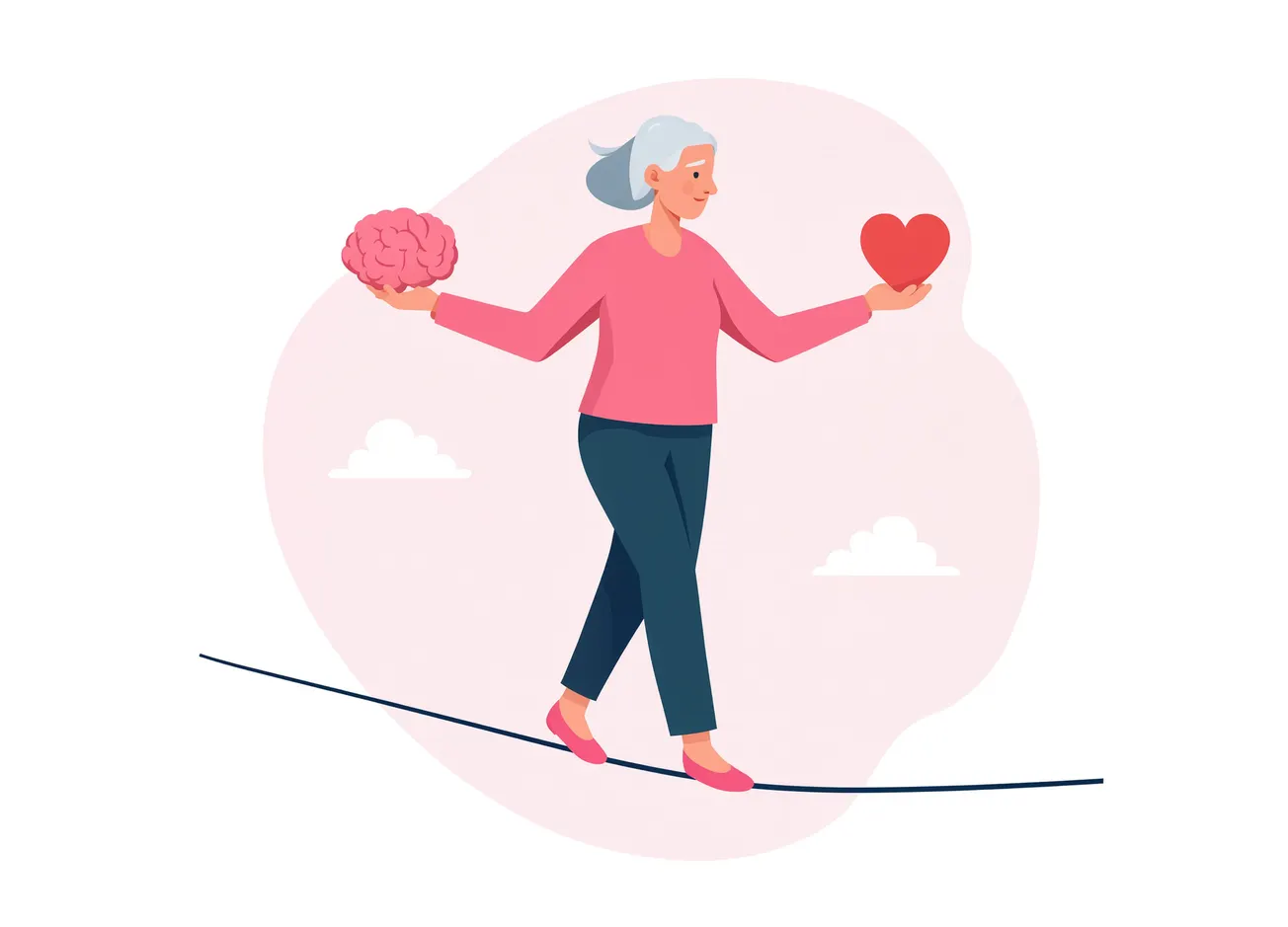
The truth is actually more balanced. Brain teasers for seniors can be helpful, enjoyable tools, but they have limits. Understanding what they can and cannot do helps you use them wisely.
 Gary P Guthrie
What Brain Teasers Can Do
Brain teasers engage your attention. They encourage problem-solving, concentration, and mental effort — all positive habits as we age.
Regular mental challenges can:
- Keep you mentally engaged
- Encourage focus and patience
- Support confidence in everyday thinking
- Provide a sense of accomplishment
The benefits are real and meaningful, and the evidence is clear. Just ask a health researcher.
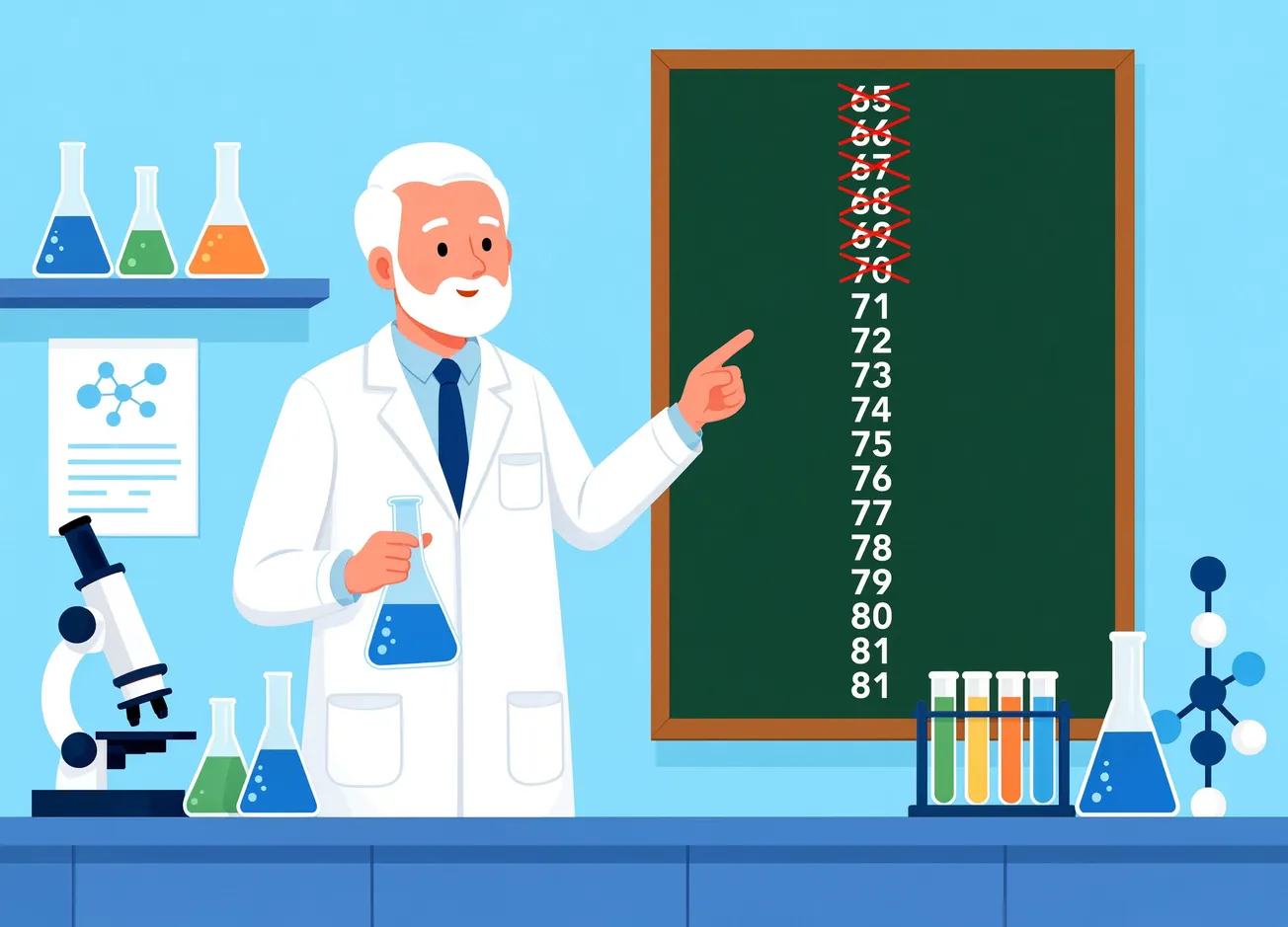
Dr. Kamen Tsvetanov, Alzheimer's Society Dementia Research Leader Fellow, Department of Clinical Neurosciences, University of Cambridge, said: "Our ability to solve abstract problems is a sign of so-called 'fluid intelligence', but as we get older, this ability begins to show significant decline. Some people manage to maintain this ability better than others."
What Brain Teasers Cannot Do
It’s important to be clear and realistic. Brain teasers:
- Do not prevent dementia
- Do not reverse memory conditions
- Do not replace medical care
They are activities, not treatments. That doesn’t make them useless — it just puts them in the right place.
Enjoyment Matters More Than Difficulty
One of the biggest mistakes people make is choosing puzzles that feel like work. Stress and frustration do not help the brain.
Brain teasers for seniors work best when they:
- Feel interesting, not intimidating (such as SSD's Trivialities quizzes)
- Match your current comfort level
- Fit easily into your routine (like a game you could do while you eat breakfast)
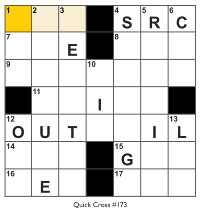
A simple crossword you enjoy is often more beneficial than a complex puzzle you avoid. An example might be Smart Senior Daily's Quick Cross games where some of the squares are pre-filled.
Choosing the Right Type of Brain Teaser
Different minds enjoy different challenges.
Popular options include:
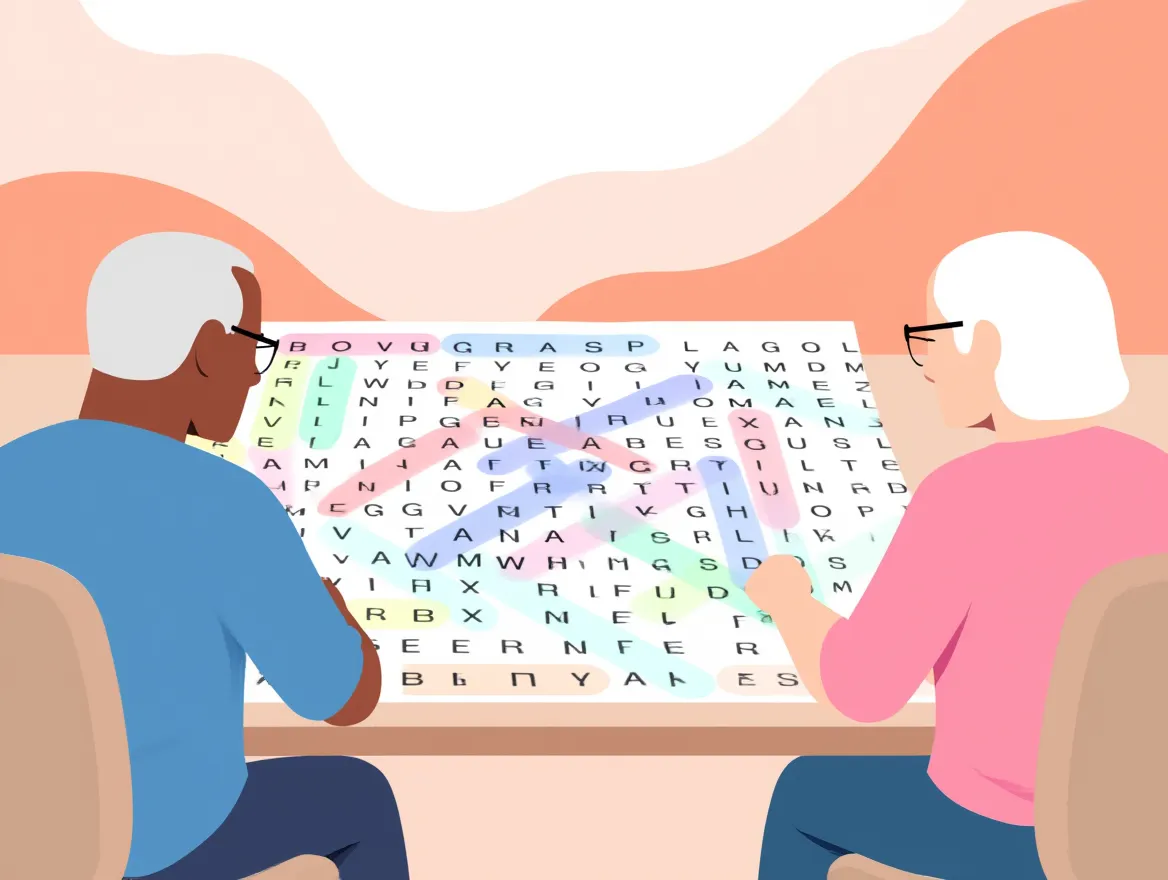
- Crosswords and word searches
- Number puzzles like Sudoku
- Logic riddles and pattern games
- Jigsaw puzzles
- Trivia or memory games
There are others worth considering, too, according to Cyn Meyer of the Second Wind Movement...
Variety keeps things fresh and prevents boredom.
Brain Health Is More Than Puzzles
While brain teasers for seniors play a role, they’re just one piece of the picture.
Other supportive habits for good brain health include:
- Staying socially connected
- Moving your body regularly
- Sleeping well
- Managing stress
- Learning new skills at your own pace
Together, these habits support overall well-being.
Francine Toder
Avoiding the Hype
If something promises dramatic brain changes with minimal effort, it’s worth being cautious. Healthy aging rarely comes from a single activity.
The best mental habits are sustainable, enjoyable, and realistic.
A Gentle Final Thought
Brain teasers don’t need to prove anything to be worthwhile. If they make your day more interesting, provide a quiet moment of focus, or simply bring enjoyment, they’re doing their job.
Brain teasers for seniors are best seen as a pleasure with benefits — not a pressure-filled prescription.