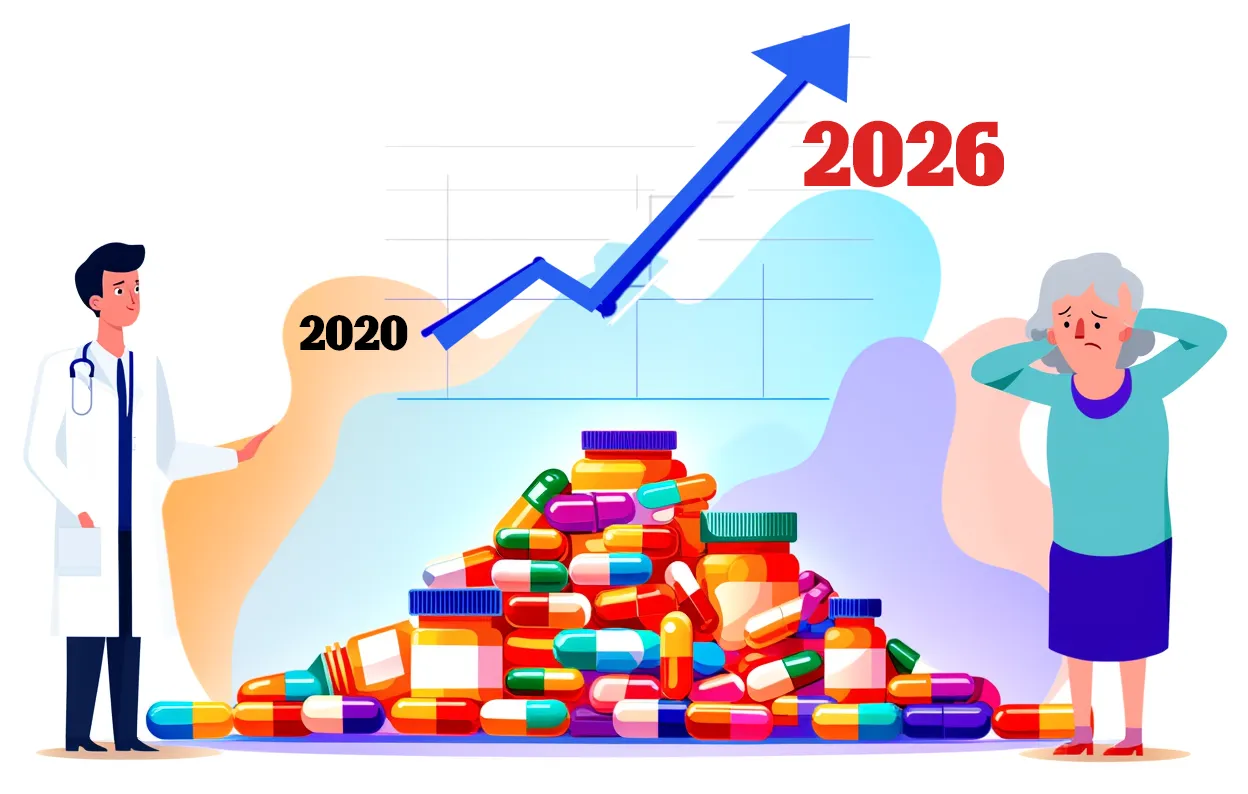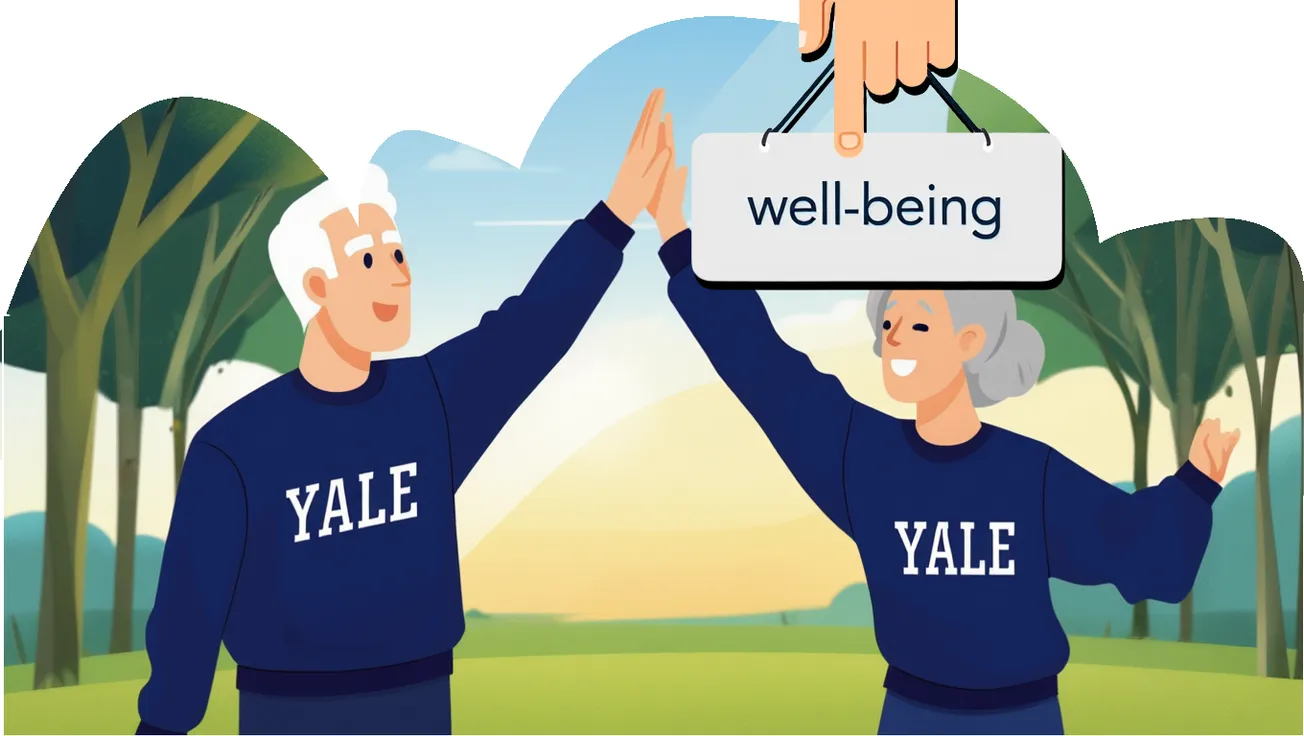
As we continue to age, we're finding that our overall "wellness" is just as important as our "health." That our social and mental well-being" is just as important as cutting back on ultra-processed foods and watching our blood pressure.
General Practitioners typically don't ask us about our well-being as much as our listed aches and pains during regular visits, so we're usually left to figuring that aspect out by our lonesome by reading books, watching (what could be misleading) YouTube videos, etc.
But, now, there's an easier way to get some clear insights on well-being as we Seniors shift our focus from "inevitable decline" to "reserve capacity for improvement."
Say hello to Laurie and Yale
"The Science of Well-Being," taught by Professor Laurie Santos, is the most popular course in Yale's 319-year history. Fact. And it isn't just a lecture series—it is a "manual for your mind."
A free one, too. Yes, and with no strings attached – viewable on your computer whenever you want to click and watch a class.
Plus, there's this bonus: you can tell your friends and your kids that you're studying at Yale! 🤩 (Boola, boola).
The course's value was recently confirmed in a major Yale study released in March 2026 highlighting the finding that nearly half of adults aged 65+ actually show improvement in cognitive and physical function over time. The course provides the psychological framework to tap into this potential.
 Smart Senior Daily Staff
What you'll learn – in just a week! (and for free)
A key pillar of the course is Social Connection. For retirees, this is a science-backed way to reduce the risk of dementia and heart disease by prioritizing "micro-connections" with neighbors, family, and peers.
Another of the core takeaways from this course are what Laurie calls "Rewirements" – seven weekly habits to actually change your brain's chemistry, including:
- Savoring: Deliberately focusing on a pleasurable moment (like a morning coffee or a sunset) to "stretch" the positive emotion.
- Gratitude Visits: Writing a letter to someone you’ve never properly thanked and reading it to them.
- Kindness: Performing random acts of kindness, which the science shows boosts the giver's happiness more than the receiver's.
This isn't a semester-long slog, either. All it takes is 12 hours of your time which can be done inside of a week or two.
How to take it
The course is entirely free on Coursera and can be started anytime. Here's the link: https://www.coursera.org/learn/the-science-of-well-being.
 Smart Senior Daily Staff