The Takeaway
- These cards come through Medicare Advantage or some Medicaid plans, not from Kroger.
- Qualifying seniors get a prepaid card with monthly or quarterly funds to use on approved groceries, OTC meds, and health products.
- Kroger now accepts these cards in-store — alongside your regular shopping.
- Most cards load $20–$100 per month, but unused money often disappears if not spent.
- Shoppers must know what’s covered to avoid frustration at checkout.
You Say You Want to Save Money?
When the flyer in your mailbox says Kroger now accepts Nations Benefits, OTC Network, S3, et al, it isn’t a new coupon club. It’s a sign that your health plan’s prepaid “benefit card” — if you have one — can now be used at Kroger checkout.
For seniors, this can be a budget-saver. These cards are usually funded by Medicare Advantage (Part C) plans or some Medicaid/dual-eligible programs. They act like prepaid debit cards you can only spend on approved items such as ibuprofen, toothpaste, vitamins, or certain groceries.
Who Qualifies for a Medicare OTC Benefit Card at Kroger?
- Through your insurance plan: If you’re enrolled in a Medicare Advantage plan that offers OTC or grocery benefits, you’ll be issued one of these cards automatically.
- Not every plan includes it: Insurers use these perks to make their plans more attractive, especially during Medicare open enrollment.
- Check your plan documents: Look in your plan’s Summary of Benefits or call customer service — many seniors don’t realize they already have this benefit.
- Medicaid options too: Some Medicaid or dual-eligible enrollees also qualify, depending on the state and plan.
How Much Money Is on a Medicare Advantage OTC Card?
- Most cards load $25 to $100 per month (some are quarterly).
- Over a year, that’s $300 to $1,200 in covered purchases.
- The catch? Unused money usually doesn’t roll over — it vanishes if you don’t spend it.
What OTC Cards Won't Cover at Kroger (And What to Watch For)
Even with Kroger’s acceptance, there are still wrinkles:
- Not everything counts: One plan may cover frozen veggies but not fresh ones, or toothpaste but not mouthwash.
- Checkout can be clunky: If your basket mixes covered and uncovered items, you may need to split the order.
- Funds vanish if forgotten: Many seniors lose out because they don’t track their balance before the end of the month.
- Awkward declines: If your card is empty, you may only find out at the register.
 Smart Senior Daily Staff
Why This Matters
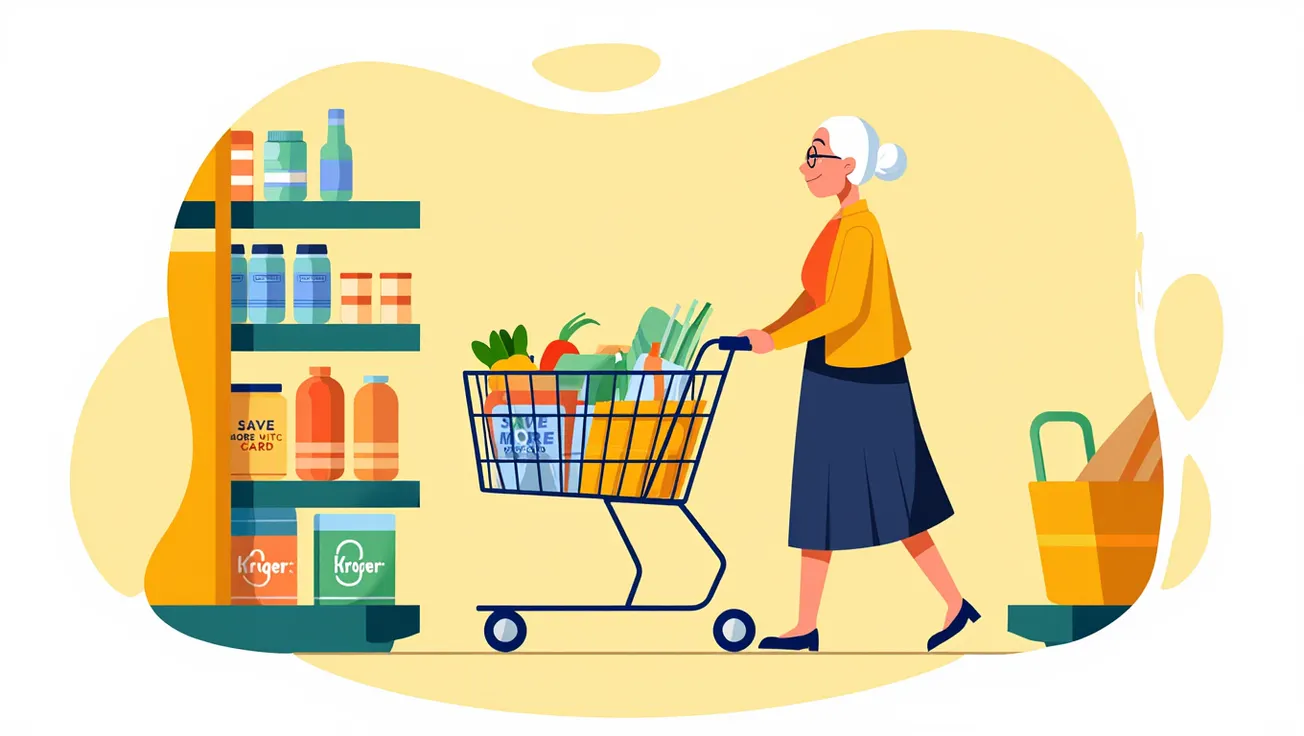
Before Kroger joined in, seniors often had to order from slow mail-order catalogs to use these funds. Now you can buy essentials in-store — and still collect Kroger fuel points and coupon savings.
For someone living on Social Security, having even $50 a month of groceries or OTC meds covered means not dipping into their own check for those basics.
Tips for Using Your OTC Benefit Card at Kroger
- Know your balance before you go — call the number on the card or log in online.
- Bring the eligible items list — saves embarrassment at checkout.
- Tell the cashier early that you’ll be using a benefit card.
- Set a reminder on your calendar to spend funds before they expire.
- Stack your savings — use your Kroger Shopper’s Card for coupons and fuel points, even on eligible items.
FAQ: Using Your Medicare OTC Benefit Card at Kroger
Does Your Medicare Plan Include a Kroger OTC Benefit Card?
Kroger’s move makes Medicare Advantage and Medicaid benefit cards more useful in daily life. But the real win depends on seniors knowing they have the benefit, understanding what’s covered, and remembering to use it before funds vanish.
If you’re unsure whether you qualify, call your insurer and ask: “Does my plan include an OTC or food benefit card?” It could mean hundreds of dollars a year back in your pocket.
Wait – You Say You're a Walmart Shopper Instead?
Kroger isn't the only game in town – just the one whose flyer showed up in our mailbox – but others offer similar programs. While this isn't as in-depth as our Kroger reporting, here's a quick video explaining how the OTC cards work at Walmart.
 Smart Senior Daily Staff
Disclaimer: This article provides general information only and does not provide medical, legal, or financial advice. Coverage and eligibility for OTC/Food Benefit Cards vary by health plan. Contact your insurer to confirm your benefits.