
Glaucoma has earned a chilling nickname: the silent thief of sight.
Not because it’s rare — it isn’t. And not because it’s untreatable — it often is. The danger lies in how quietly it works.
As many as half of people with glaucoma don’t know they have it. Vision loss creeps in slowly, usually starting with side vision. Most people adapt without realizing anything is wrong. By the time changes are obvious, permanent damage has already occurred.
That’s why glaucoma awareness isn’t about panic. It’s about timing.
Glaucoma Isn’t Just One Disease
Glaucoma refers to a group of eye conditions that damage the optic nerve — the critical connection between your eyes and your brain.
Most forms are linked to elevated eye pressure, but some people develop glaucoma even when pressure readings appear normal. That’s one reason routine screenings matter: pressure alone doesn’t tell the full story.
A large 2024 analysis estimated that more than 4 million U.S. adults are living with glaucoma, and over 1.4 million already have vision loss. Globally, that number is closer to 80 million, and it’s rising as populations age.
There is no cure. But early treatment can dramatically slow progression.
 Carolyn Ames
Why You Don’t Notice It Coming
The most common type — primary open-angle glaucoma — rarely causes early symptoms.
Instead, people may notice subtle changes that are easy to dismiss:
- Side vision narrowing over time
- Trouble seeing in dim lighting
- Blurred or patchy vision that glasses don’t fully correct
- Frequent prescription changes with limited improvement
Because these shifts happen gradually, people often blame aging, lighting, or fatigue.
By the time central vision is affected, optic nerve damage is permanent.
When Symptoms Are an Emergency
A less common form — acute angle-closure glaucoma — is different. It strikes suddenly and requires immediate medical care.
Warning signs include:
- Severe eye pain
- Intense headache
- Sudden blurred vision or vision loss
- Halos or rainbow rings around lights
- Red eye, nausea, or vomiting
If these symptoms appear, seek emergency care. Fast treatment can save vision.
To help you understand acute angle-closure glaucoma, watch this video..
Who Faces the Highest Risk
Anyone can develop glaucoma, but risk increases significantly for some groups.
According to the Centers for Disease Control and Prevention, National Eye Institute, and the Glaucoma Research Foundation, higher-risk factors include:
- Age 60 and older
- Family history of glaucoma
- Elevated eye pressure
- Diabetes, high blood pressure, or heart disease
- Long-term steroid use or prior eye injury
Risk also varies by race and ethnicity. Black and Hispanic adults develop glaucoma more often and at younger ages, and glaucoma-related blindness occurs at higher rates — influenced by both biological and access-to-care factors.
 Carolyn Ames
What You Can Do — Starting Now
Glaucoma can’t be prevented, but it can be controlled if caught early.
Your action plan:
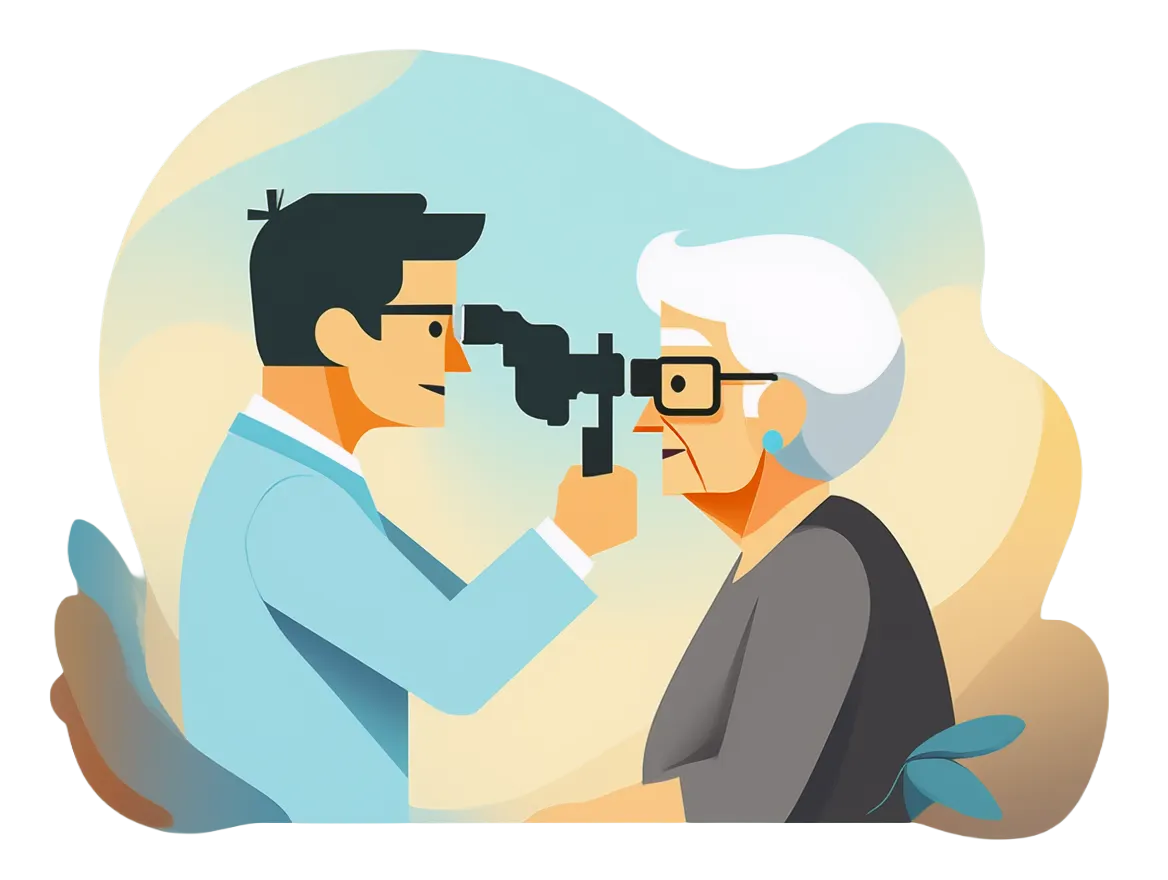
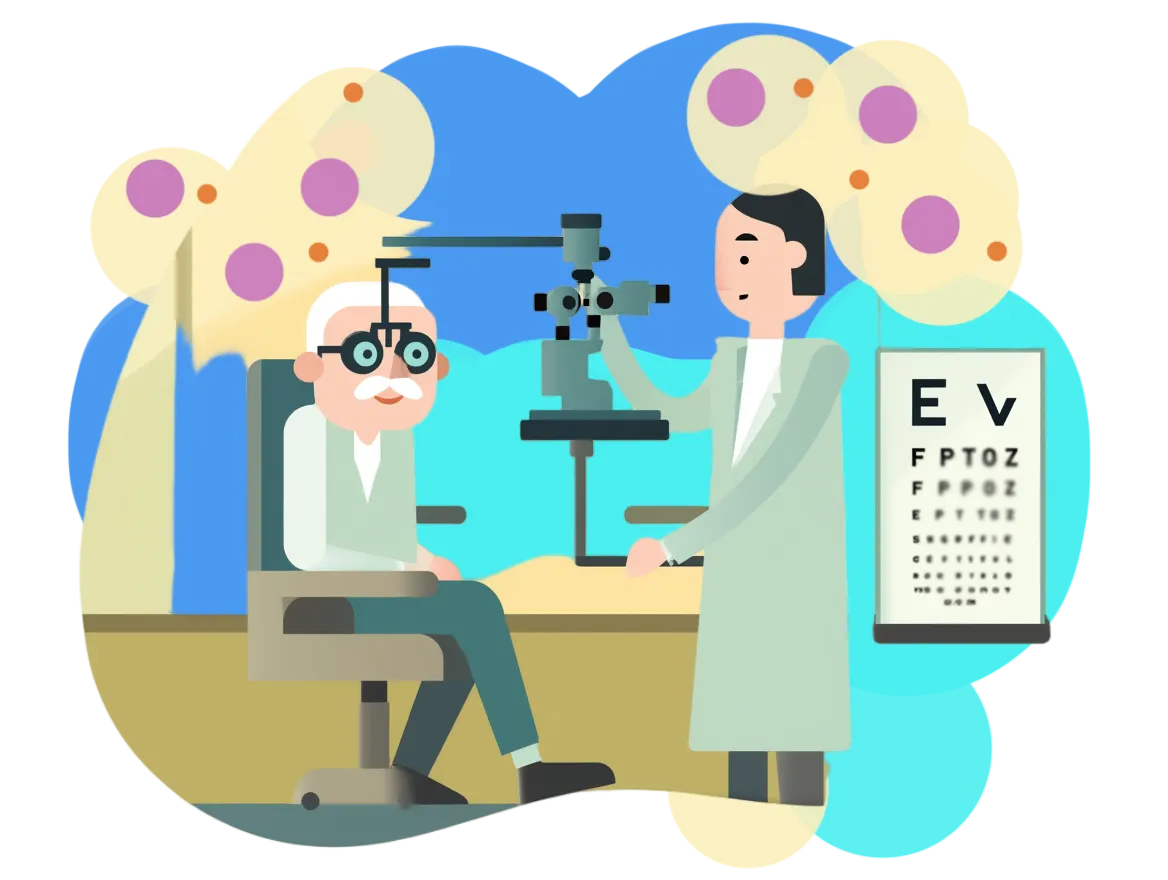
- Schedule a comprehensive dilated eye exam, even if your vision feels fine
- Share family history with your eye doctor
- Manage chronic conditions like diabetes and hypertension
- Stay active and avoid smoking, which supports overall eye health
Waiting for symptoms is the biggest mistake people make.
Why Awareness Matters
Glaucoma doesn’t announce itself. It doesn’t hurt. And it doesn’t wait.
But a single eye exam can change the outcome.
Health Disclaimer: This article is for informational purposes only and does not substitute for professional medical advice, diagnosis, or treatment. Always consult a qualified eye care professional regarding concerns about your vision or eye health.