Senior Cyber Secure, Part 1 – A Smart Senior Daily Special Series
Series legal guidance provided by Danny Karon, a consumer rights attorney who has taught at the University of Michigan Law School, the Ohio State University Moritz College of Law, and Columbia Law School, and is passionate about helping people avoid legal pitfalls, scams, and fraud. He is the author of Your Lovable Lawyer’s Guide to Legal Wellness.
Most seniors think identity theft is a high-tech crime.Something involving shadowy hackers, complicated software, and people half a world away.That assumption is understandable — and dangerously wrong.
According to Danny Karon, a consumer protection attorney who has spent years helping people recover from fraud, modern identity theft targeting seniors is far more likely to be low-tech, personal, and manipulative than digital and sophisticated.
“You might think identity theft only happens online,” Karon explains. “But low-tech methods are still extremely common. Dumpster diving, stolen mail, and simple manipulation are often all it takes.”
In other words, you don’t have to be reckless, careless, or glued to the internet to be at risk.
You just have to be human.
Why Seniors Are Targeted More Than Ever
Seniors aren’t targeted because they’re naïve. They’re targeted because they possess three things scammers value most:
- Retirement savings: Decades of accumulated assets make older adults particularly attractive targets.
- Less exposure to modern scams: Many scams rely on unfamiliar technology, fast-moving situations, or official-sounding language designed to overwhelm.
- Trust: Older adults are more likely to answer calls, open mail, and believe someone claiming to represent a bank, pharmacy, utility, or government agency. Criminals know this — and they exploit it relentlessly.
Fraud, Identity Theft, and Account Takeovers Are Not the Same Thing
These terms are often lumped together, but understanding the differences matters.
Fraud: Fraud usually begins with deception.
A scammer convinces you to voluntarily hand over personal information — often by pretending to be a legitimate company or authority.
Identity Theft: Identity theft occurs when someone assumes your identity — opening credit cards, applying for loans, or making purchases as if they were you.
Account Takeovers: Account takeovers are especially aggressive.
Criminals access your credit report, submit fake change-of-address requests, and reroute bank statements, checks, or replacement cards to themselves.
This is one of the fastest-growing threats facing seniors today.
 Smart Senior Daily Staff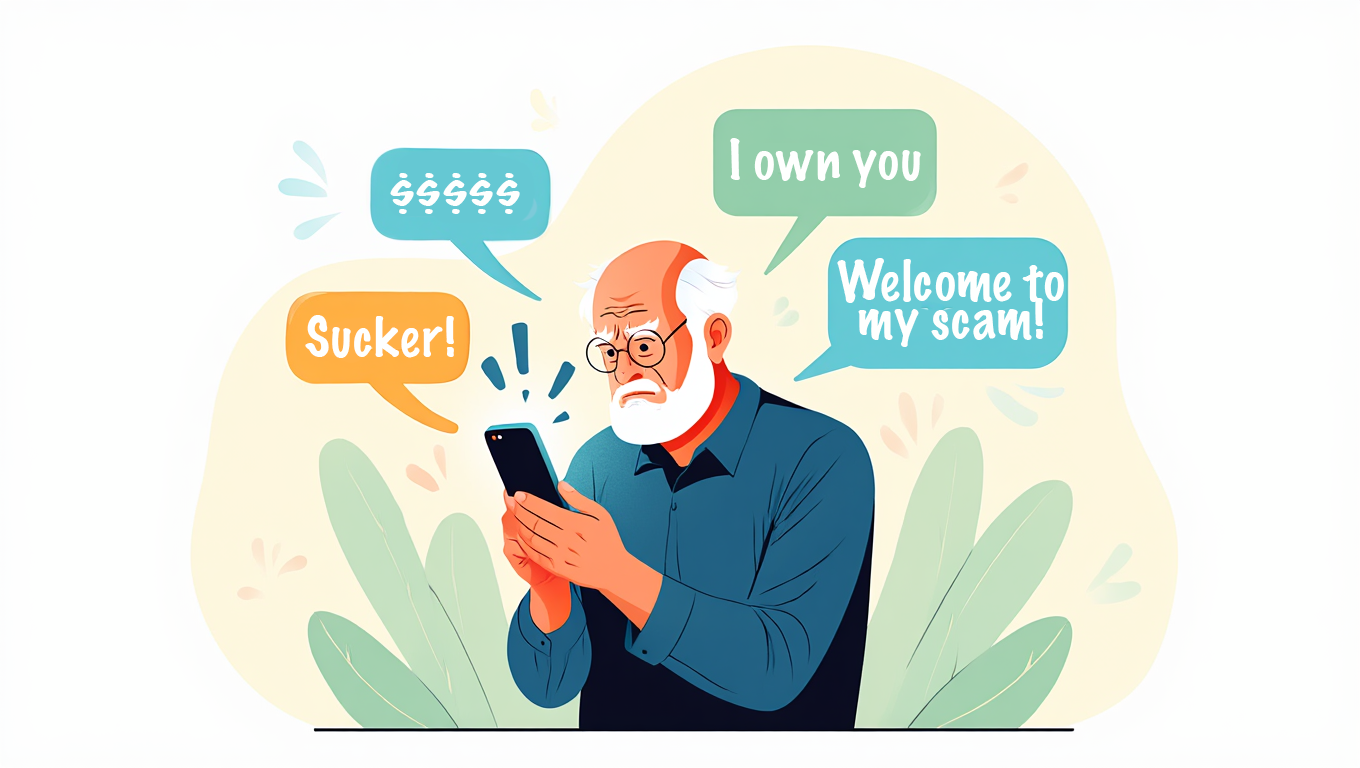
The Pieces of Personal Information That Matter Most
Not all personal data is equally valuable to criminals.
Karon says the most dangerous information to lose includes:
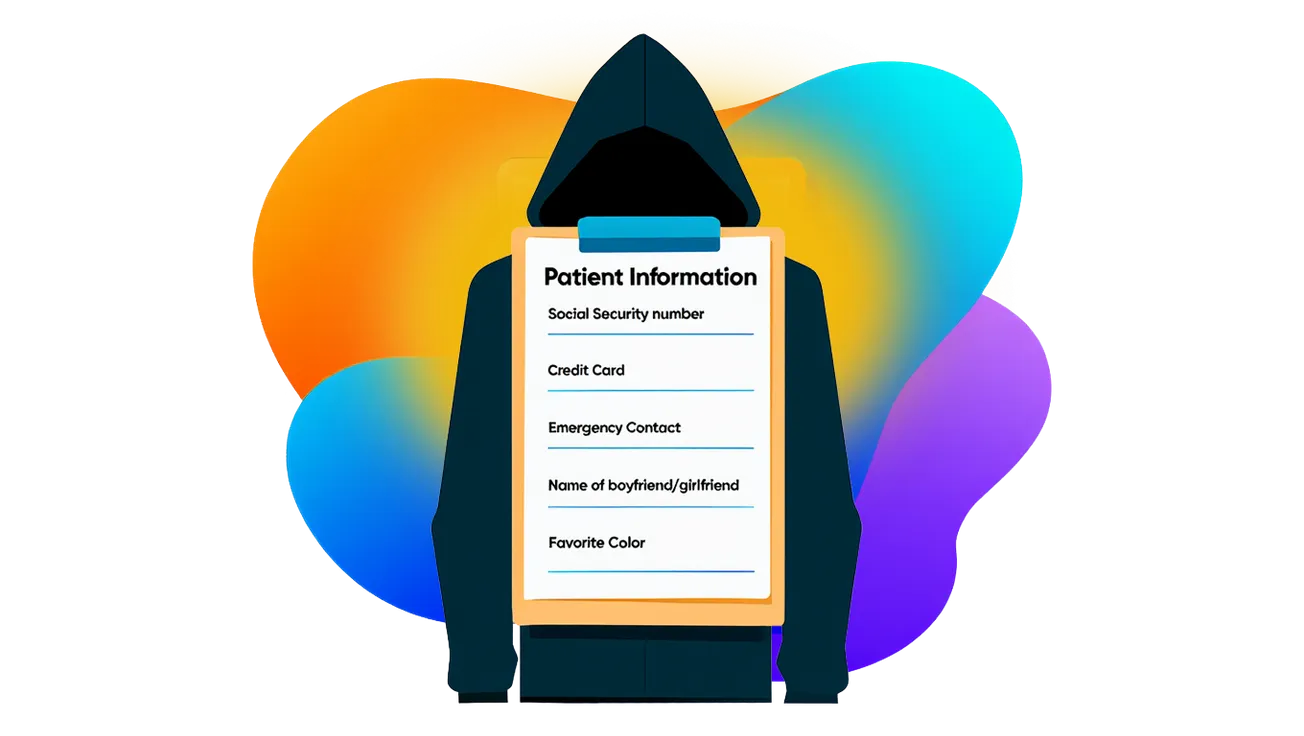
- Social Security numbers
- Full legal name and current address
- Date of birth
- Account usernames and passwords
One critical rule bears repeating: Never carry your Social Security card in your wallet.
Is Identity Theft About Hacking — or Manipulation?
Despite headlines about massive data breaches, most senior identity theft cases involve manipulation, not hacking.Scammers impersonate:
- Banks and credit card companies
- Pharmacies and health providers
- Utility companies
- Medicare or Social Security
- Even family members or caregivers
They rely on urgency, fear, and confusion — not technical skill.
“Today’s identity thieves are more likely to manipulate a senior than hack them,” Karon says.
If You Clicked Something You Shouldn’t Have, You Still Have Rights
One of the most damaging myths seniors believe is that falling for a scam makes them legally responsible.In most cases, that’s simply not true.If you believe your information may have been compromised:
- Save suspicious emails or messages
- Write down what happened and when
- Contact your banks and credit card companies immediately
- Activate a credit freeze with Equifax, Experian, and TransUnion
You can also report identity theft to:
- Your state attorney general’s consumer protection division
- The Federal Trade Commission (FTC)
- The Consumer Financial Protection Bureau (CFPB)
- The Better Business Bureau
Depending on the situation, local law enforcement may also be involved.
 Smart Senior Daily Staff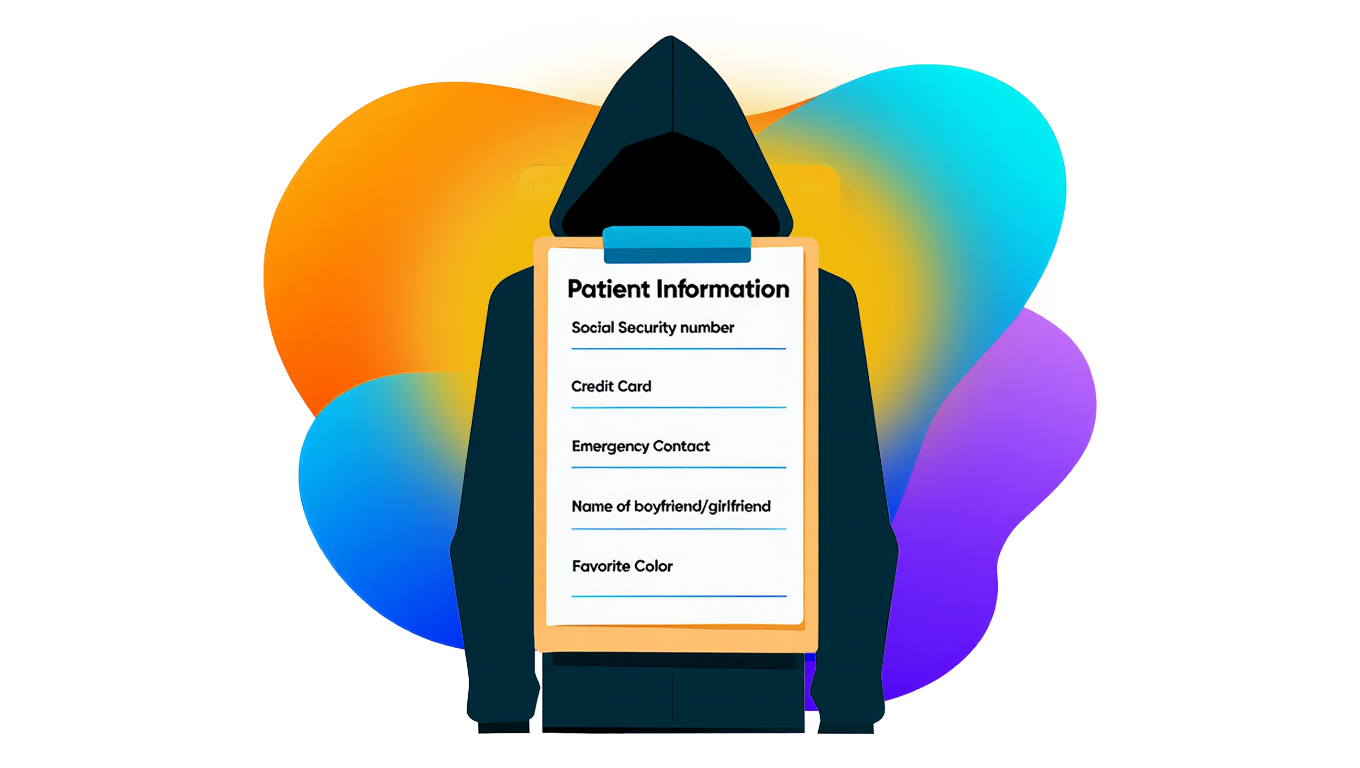
Legal Insight — Danny Karon
Falling for a scam does not mean you failed. These schemes are designed by professionals who study human behavior. The law recognizes that — and provides protections when you act promptly.
What Smart Seniors Can Do This Week
You don’t need to overhaul your life to reduce risk. Start here:
- Shred unused credit offers and sensitive financial documents
- Review bank and credit card statements carefully
- Stop carrying unnecessary personal documents
- Treat unexpected calls, emails, and texts with skepticism — even if they appear familiar
Most importantly, remember this: Being targeted does not mean you did something wrong.
Up Next in the SeriesPart 2: How Companies Track You — and How Seniors Can Take Back Control of Their Data
Interested in more of how Danny Karon's advice can make you cyber secure? Check out his new book on Amazon.
Smart Senior Daily Disclaimer: This article is for educational purposes only and does not constitute legal advice. Always consult a qualified attorney or financial professional regarding your specific situation.