Some places on Earth just seem to produce more 100-year-olds. Scientists gave them a name. Here's what they found — and what's still being debated.
Back in the early 2000s, a Belgian demographer and an Italian physician were mapping clusters of elderly people in the mountains of Sardinia. To mark the villages with unusually long-lived populations, they used a blue pen on the map. The term stuck.
Dan Buettner, a researcher and journalist, extended the concept in a landmark 2005 National Geographic cover story, and the phrase "Blue Zones" entered the popular vocabulary. Today it's shorthand for something specific: places in the world where people regularly live past 100 — and do so in good health.
The five places where "the old people" live
Researchers have identified five regions with unusually high concentrations of people living past 100: Okinawa in Japan, Sardinia's mountainous interior in Italy, the Greek island of Ikaria, the Nicoya Peninsula in Costa Rica, and Loma Linda in California — home to a community of Seventh-day Adventists.
Blue Zones have been reported to have ten times as many centenarians as you'd expect for a comparable U.S. population — and in these places, people don't just live longer, they tend to live healthier in that extra time. Rates of heart disease, cancer, and diabetes are dramatically lower than global averages.
Here's a quick look at each:
🇯🇵 Okinawa, Japan — Historically home to some of the world's longest-lived women. Okinawans practice ikigai — a sense of purpose — and build moai, tight social groups that offer lifelong support. Here's how ikigai can play out in your life...
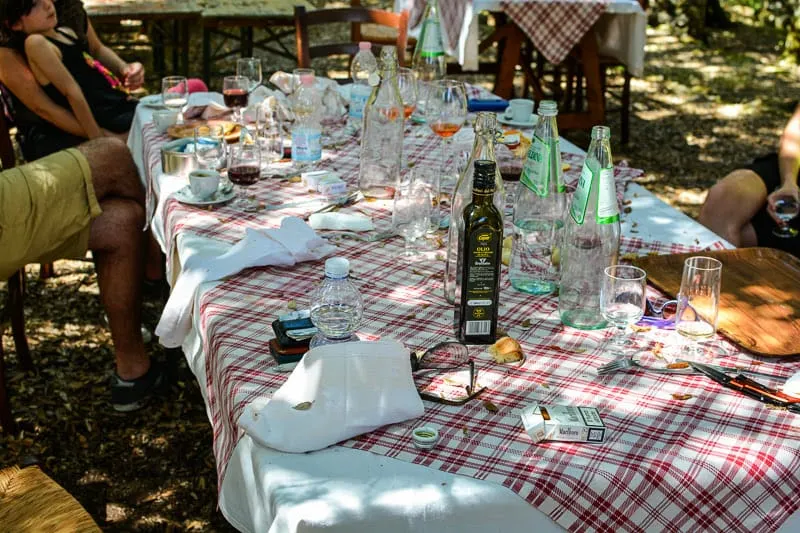
🇮🇹 Sardinia, Italy — In the mountain region of Barbagia, shepherds walk five or more miles a day over rough terrain. They drink moderate amounts of local Cannonau wine, which is high in antioxidants, and keep family and community at the center of daily life.
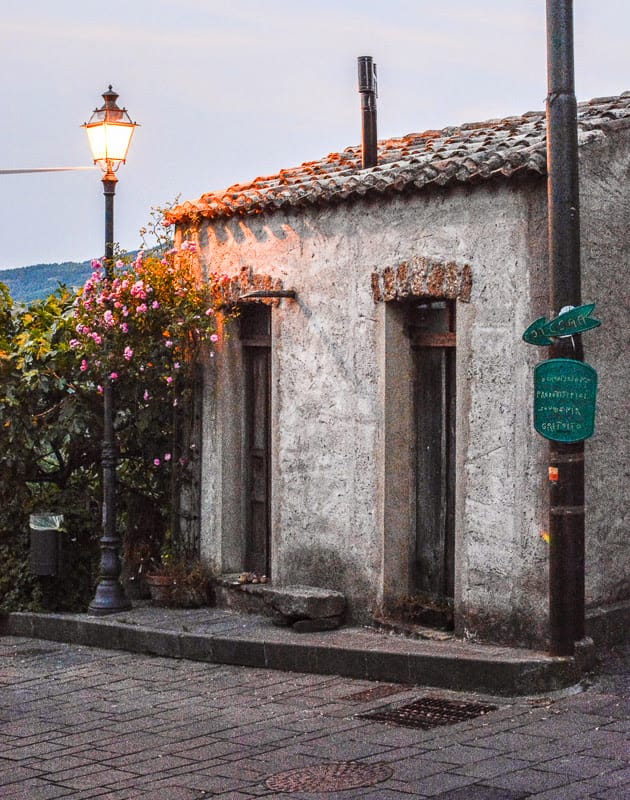
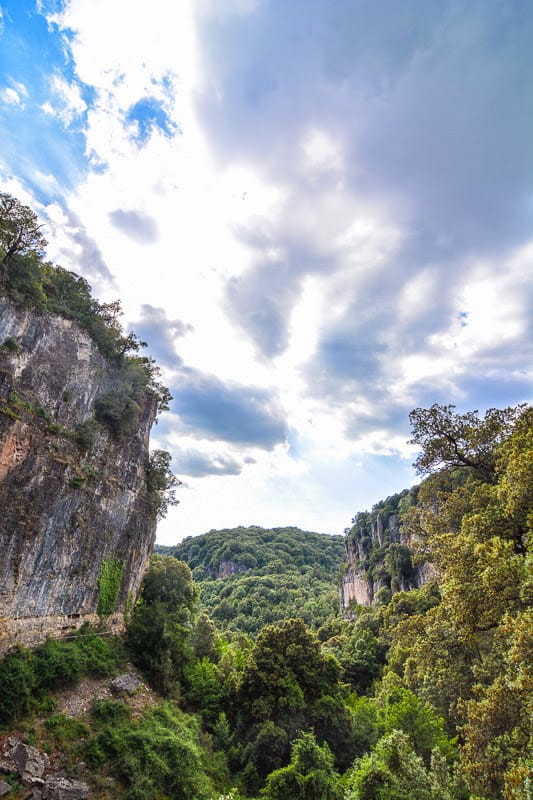
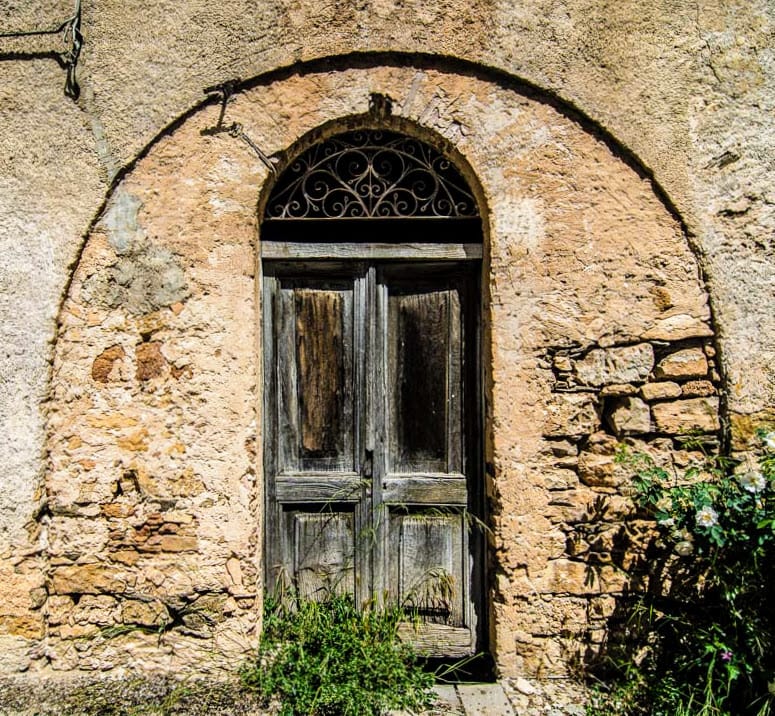
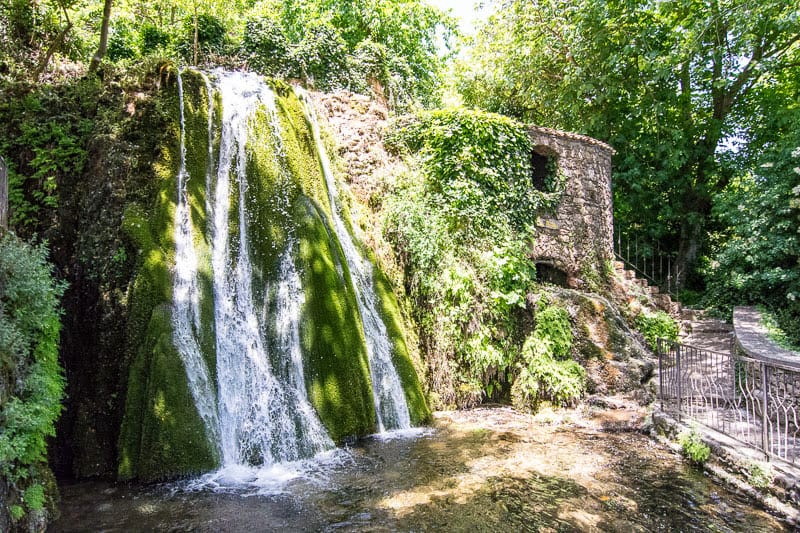
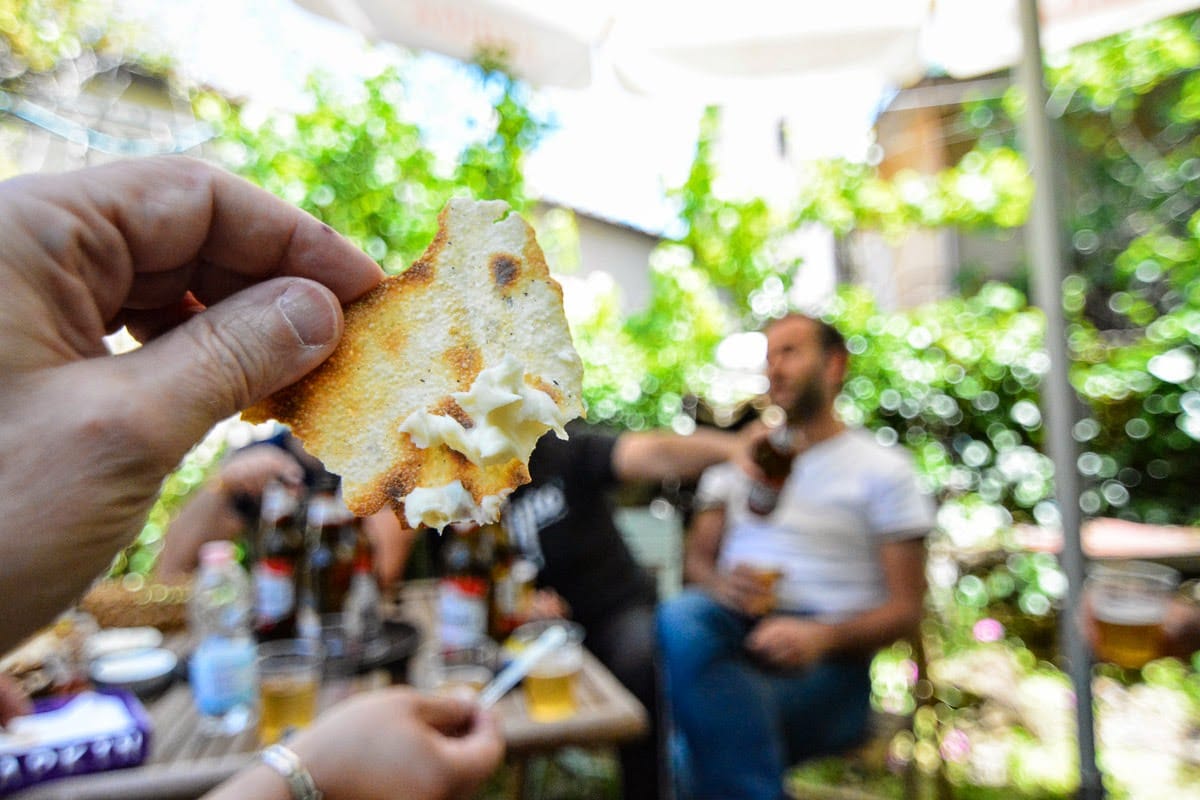
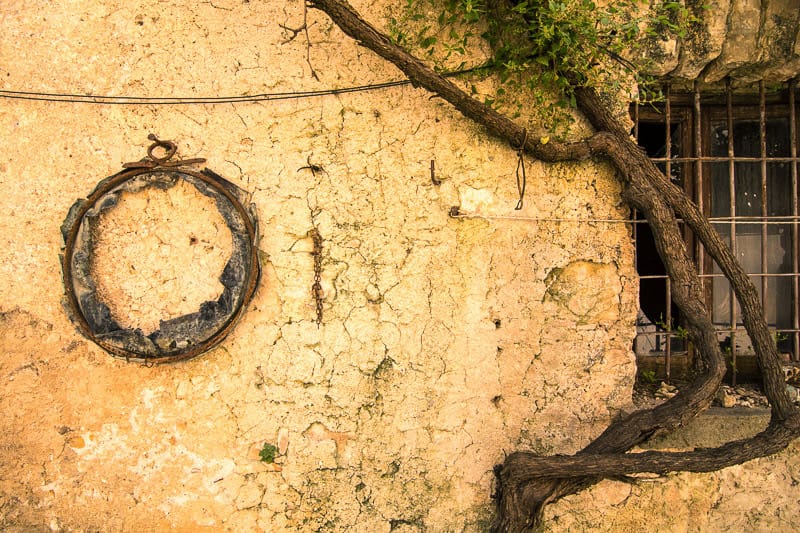
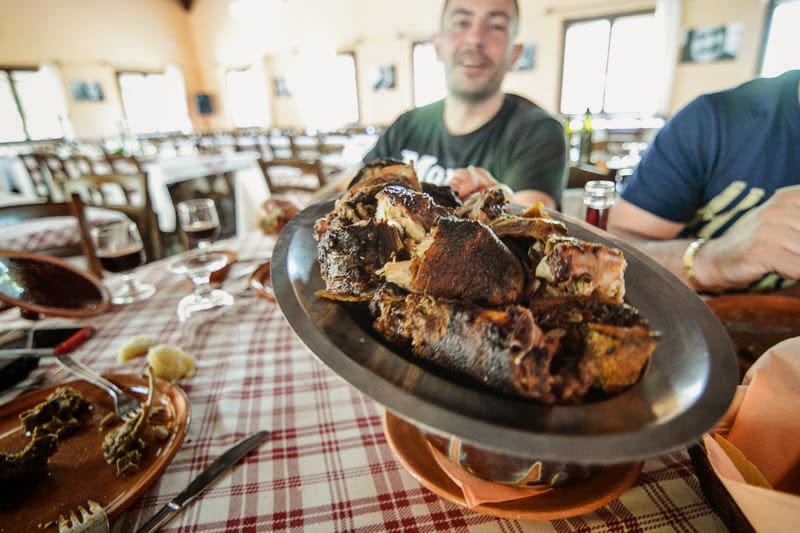
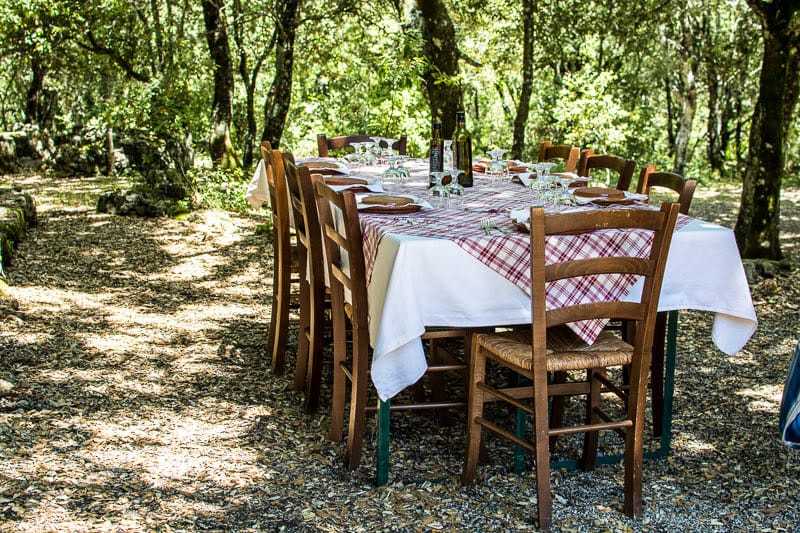
Editor's note: When I first learned about the Blue Zones (2014), I felt the urge to at least sample one. So, as a side trip to Italy, I hopped on a plane and headed off to Sardinia with my heart set on seeing what the locals in Caligari call "the old people," the owner of the pub around the corner from where I was staying put together a caravan of his friends and me in tow to head off to the mountains. You really need to see this in real life (the Sunday lunch in the woods with fresh veggies and roasted meats and endless wine was worth it by itself), but here's some of what I saw...

🇬🇷 Ikaria, Greece — A mountainous Aegean island where residents are known for their relaxed pace, afternoon naps, and tight social ties. Heart disease and dementia rates are notably low.
🇨🇷 Nicoya Peninsula, Costa Rica — Nicoyans drink water naturally high in calcium and magnesium, eat traditional corn and beans, and maintain what they call a plan de vida — a clear reason to keep going.
🇺🇸 Loma Linda, California — This community of Seventh-day Adventists lives an average of a decade longer than most Americans, emphasizing a plant-based diet, regular exercise, community worship, and weekly rest.
 Gary P Guthrie
What they all have in common
The commonalities are striking across communities that are geographically and culturally completely different. These populations aren't living longer because of superior genetics alone — they're living longer because of how they eat, move, connect, and structure daily life.
Researchers distilled these patterns into what they call the "Power 9":
- Move naturally — no gym memberships required. They walk to get places, tend gardens, climb stairs. Daily moderate movement beats sporadic intense exercise for long-term outcomes.
- Know your purpose — Okinawans call it ikigai; Nicoyans call it plan de vida. Having a reason to get up in the morning matters.
- Downshift — All Blue Zone populations have built-in ways to shed stress: prayer, naps, happy hour with neighbors.
- Eat mostly plants — Blue Zone populations get 90–95% of their calories from plant foods. Beans and legumes appear daily in virtually every Blue Zone diet. Meat is eaten sparingly, often just a few times a month.
- Stop before you're full — Okinawans practice hara hachi bu, eating until they're 80% full.
- Drink wine in moderation (most zones) — particularly the antioxidant-rich Cannonau red wine of Sardinia, in small daily amounts with food and friends.
- Belong — Faith-based community membership appears in all five Blue Zones, regardless of denomination.
- Put family first — Aging relatives are kept close. Relationship commitment to partners and children is strong.
- Build the right social circle — The people around you shape your habits. Blue Zone communities reinforce healthy behaviors socially, not through willpower alone.
 Gary P Guthrie
See for yourself
Short of whisking off to Costa Rica, this weekend, there's a great TED TALK where Blue Zones birther Dan Buettner explores these communities. It's a good watch and takes about 10 minutes:
There are those who say we should hold our horses
It's worth being honest with you: Blue Zones have their skeptics, and some of the debate is legitimate.
Australian biologist Saul Newman has argued that clerical errors, natural disasters, and even pension fraud may better explain the unusual concentration of centenarians in some of these regions — particularly in places that had poor birth record-keeping.
And there's real evidence that some original Blue Zones have faded. Research shows that in Costa Rica, people born after 1930 aren't living disproportionately long lives anymore. A 2024 paper shows that Okinawa has also fallen off the longevity map.
As Buettner himself told one outlet:
"They are coming under siege because of mechanized conveniences. There are more cars and American food culture, with its chips and sodas and fast foods, and social media is coming there."
On the other side, a peer-reviewed study published in The Gerontologist in December 2025 independently confirmed that the original Blue Zones research used rigorous methods — cross-checking birth records, baptismal records, marriage records, military records, and death records — and that the longevity data holds up.
The honest summary: the concept is real and the lessons are well-supported by science. The exact centenarian counts may be somewhat inflated in some regions. But whether you quibble with the numbers or not, the underlying habits — moving daily, eating mostly plants, staying connected to community, having a sense of purpose (getting off our phones wouldn't hurt, either) — are backed by decades of independent research.
What does this mean for you?
You don't have to move to Sardinia. What makes these places special isn't a secret therapy or expensive supplement. The secret lies in five common characteristics shared across all Blue Zones: diet, natural movement, a sense of purpose, stress reduction, and strong social ties.
Any of those are things you can work on from Detroit, Clarksville, Pippa Passes, Sioux Falls or wherever you call home.
Sources:
https://en.wikipedia.org/wiki/Blue_zone
https://healthcrunch.org/articles/2025-10-10-blue-zones-longevity
https://healthcity.bmc.org/what-are-blue-zones-the-geography-of-longevity-and-healthy-living/
https://www.statnews.com/2026/05/04/are-blue-zones-real-new-scrutiny-longevity-hot-spots/