Ann Mendenhall has been a phone buddy for six years. Her first call was with a woman just out of the hospital, referred by a social worker who thought a friendly voice might help. It did more than that.
"I told her I spoke to her more than I talked to my siblings," Mendenhall said of that early match, made through A Caring Place, a Lexington, Kentucky nonprofit that pairs volunteers with isolated older adults for regular phone conversations.
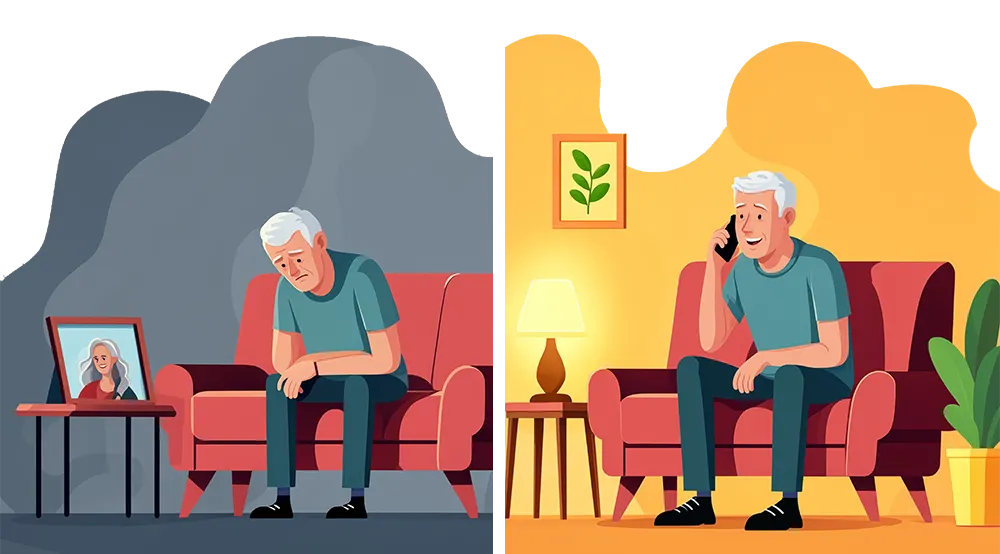
Roxanne Cheney founded the group in 2017 after hearing from a client who described her days as an endless loop of empty rooms.
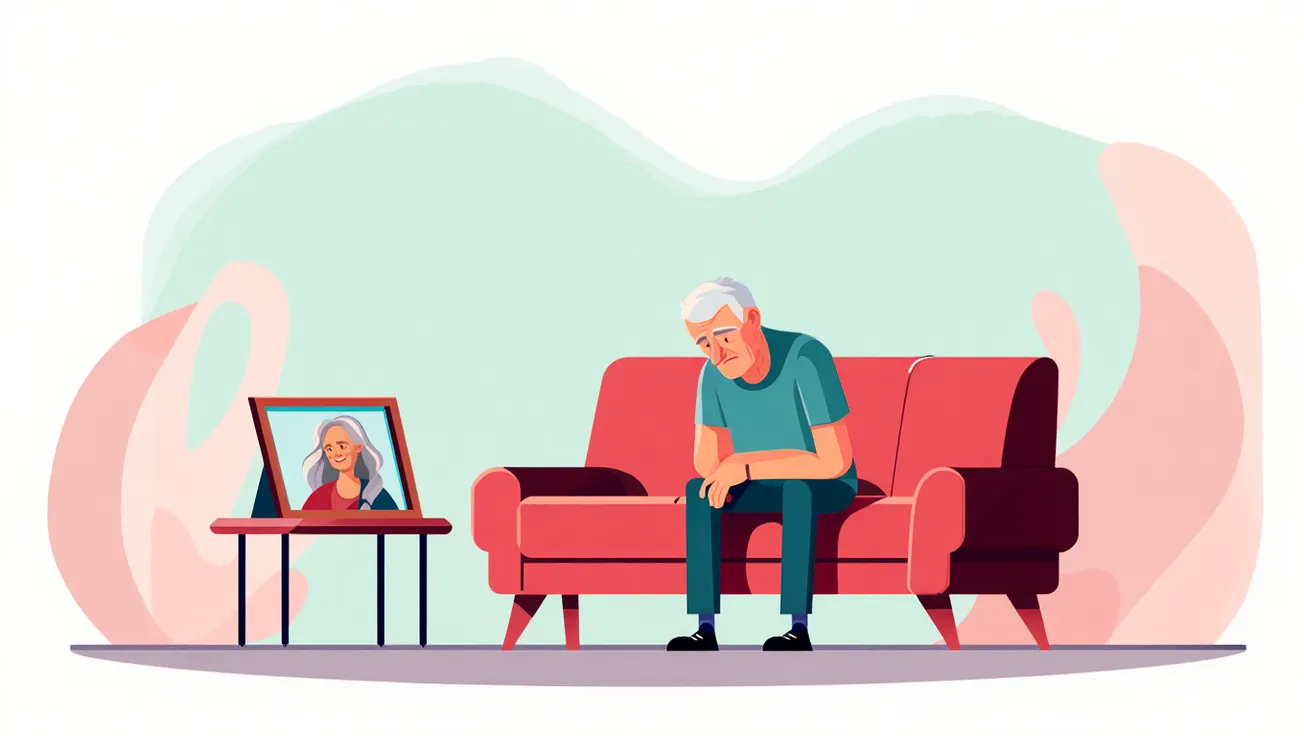
"I get up in the mornings now, and I look at these four walls, knowing that tomorrow my day will be filled with looking at these four walls," the woman told her.
Cheney's answer was simple: start with one person, one phone call, one relationship at a time.
Programs like A Caring Place understand loneliness probably better than any existing government program. But it's instinct and word-of-mouth they have leaned on for years. Now a major clinical trial gives that instinct some real backing.
What the Study Found
A randomized controlled trial published in JAMA Network Open followed 1,151 adults 65 and older, all of them lonely, living alone, without reliable internet access, and getting by on limited incomes.
Researchers split participants into three groups:
- One received four weeks of telephone-delivered behavioral activation, a technique that helps people rebuild routines around activities they find meaningful
- Another got telephone-delivered mindfulness training
- A third simply received friendly check-in calls, known as befriending
All three groups had something in common that matters for programs like A Caring Place: none of the calls were made by therapists. They were made by trained lay counselors, including older adult volunteers themselves.
And the results?
Twelve months later, people in the behavioral activation and mindfulness groups reported significantly less loneliness than those who got the plain befriending calls, along with better sleep, lower anxiety and depressive symptoms, and greater life satisfaction.
Part of the effect traced back to something concrete: participants in the two structured groups reported feeling less socially isolated at six months, and that drop in isolation helped explain the loneliness improvement a full year out.
Judith Beck, president of the Beck Institute, said the findings show that even a brief, structured phone intervention can help older adults re-engage with meaningful activity and learn new ways of managing difficult emotions. She pointed to the delivery model as the real breakthrough: proof that trained volunteers, not just clinicians, can deliver effective support at scale.
 Smart Senior Daily Staff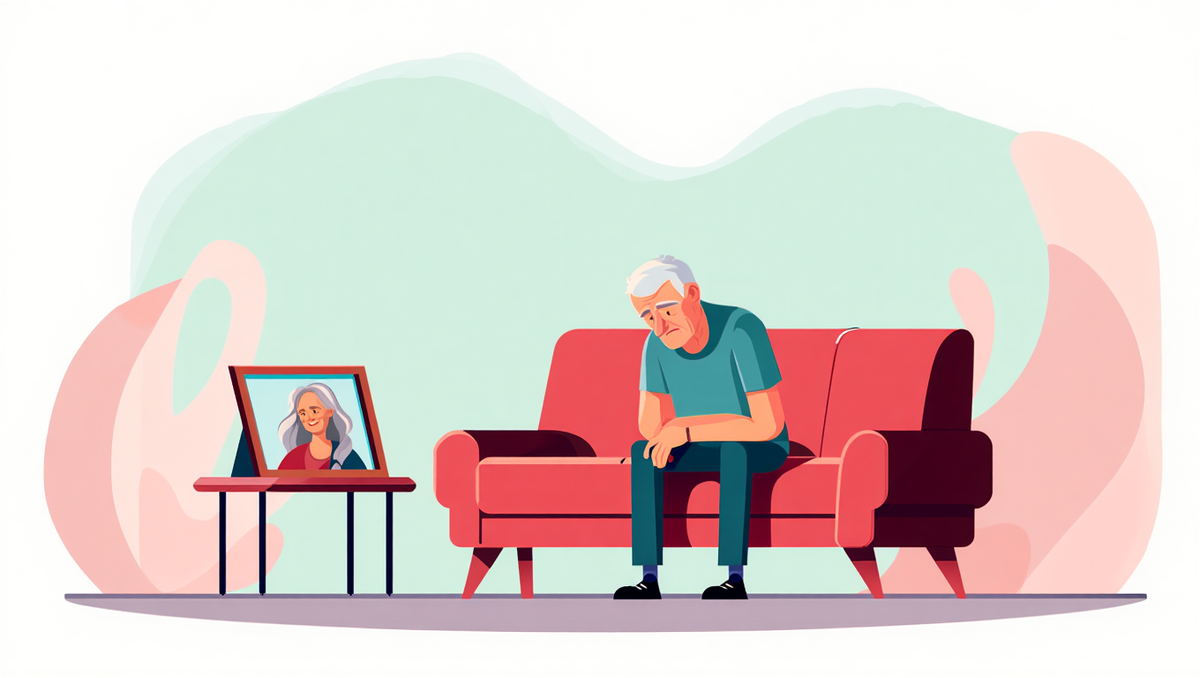
Why It Matters Beyond the Lab
One in four older adults experiences meaningful social isolation, and the health consequences go far beyond hurt feelings, the World Health Organization reports. Chronic loneliness has been associated with higher rates of depression, cognitive decline, heart disease, and premature death.
What the JAMA trial adds is a case for structure. A friendly call once a week helps. More seems to help, like a call based on some behavioral goals, such as planning one small nice thing before the next chat or a few minutes of guided mindfulness practice, and the benefit lasts a year later.
That’s a good data point for the phone-buddy and telephone-reassurance programs already operating in communities across the country, from Friendly Voices in California to the Telephone Buddy program at the Colorado Gerontological Society to Circle of Care chapters in St. Louis and elsewhere. Most were built on the same premise that Cheney started with, that isolation has to be dealt with one relationship at a time.
The study suggests these groups could increase their impact by taking a page from behavioral activation, encouraging callers to help participants set one small, achievable goal each week, instead of just checking in.
Finding a Program
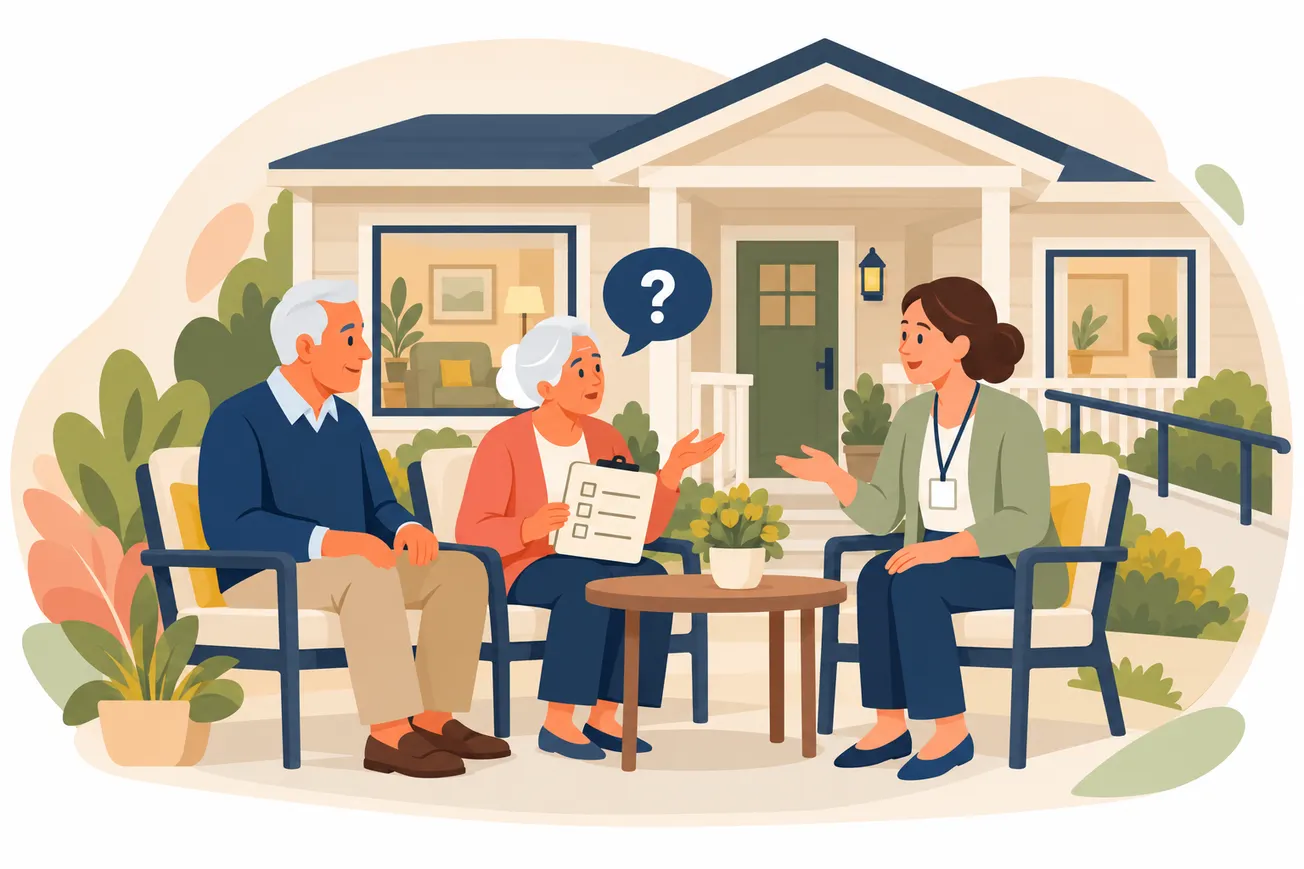
Telephone reassurance and phone-buddy services are typically free and run through local Area Agencies on Aging, senior centers, or nonprofits. Look for terms like "phone buddy," "friendly caller," "telephone reassurance," or "phone pals" when searching in your area, or ask your local Area Agency on Aging for a referral. Most programs welcome both participants who want a regular call and volunteers willing to make one.
Eldercare locator assistance
Eldercare Locator (eldercare.acl.gov, 1-800-677-1116, Mon-Fri 8am-9pm ET), run by the U.S. Administration for Community Living. It's the official gateway to all 617 local Area Agencies on Aging and the 56 State Units on Aging, searchable by ZIP code or city/state.
For Mendenhall, six years in, the arrangement stopped feeling one-directional a long time ago.
"I feel like I have a very rich life because of the relationships I have with this organization," she said.
Source: Tang et al., "Behavioral Activation and Mindfulness Interventions in Reducing Loneliness and Improving Well-Being in Older Adults: The HEAL-HOA Randomized Clinical Trial," JAMA Network Open, 2026.