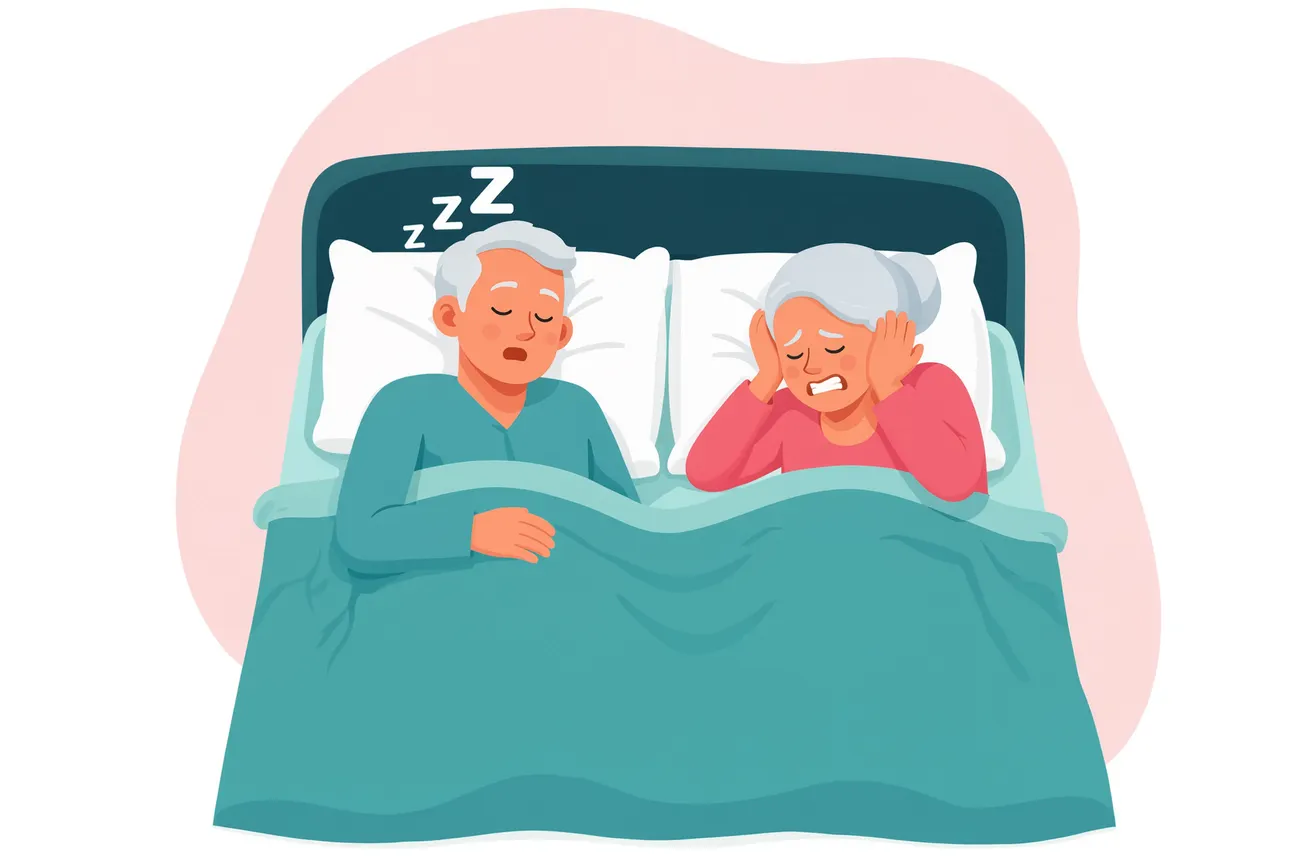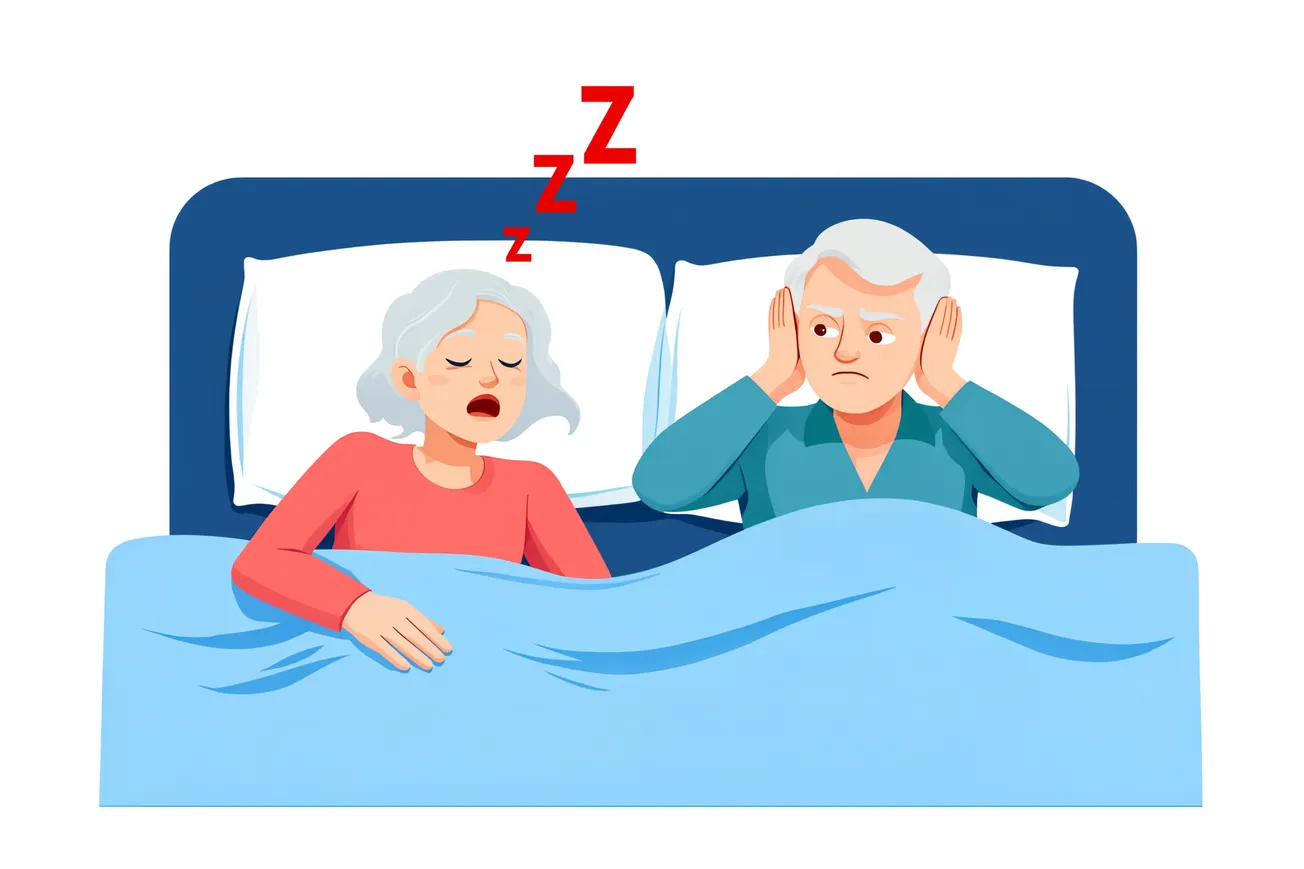
There's two camps about snoring: 1) suck it up and live with it (maybe get a sleep "divorce"); 2) do whatever you can to stop it. If your bed partner has been elbowing you in the middle of the night because of your snoring, you may have brushed it off as an annoyance. But researchers are finding that untreated obstructive sleep apnea (OSA) may be doing something far more serious: quietly chipping away at your brain.
A new peer-reviewed study published in the National Library of Medicine found that CPAP therapy was a huge boost in improving cognitive function in older adults. Even after just three months of use, study participants showed measurable gains in short-term memory, working memory, selective attention, and executive function.
More striking: extended CPAP use (three months to a year) was associated with reversal of white matter brain damage and increases in hippocampal volume, the region of the brain central to memory formation. Both findings are connected to a reduced risk of dementia.
 Gary P Guthrie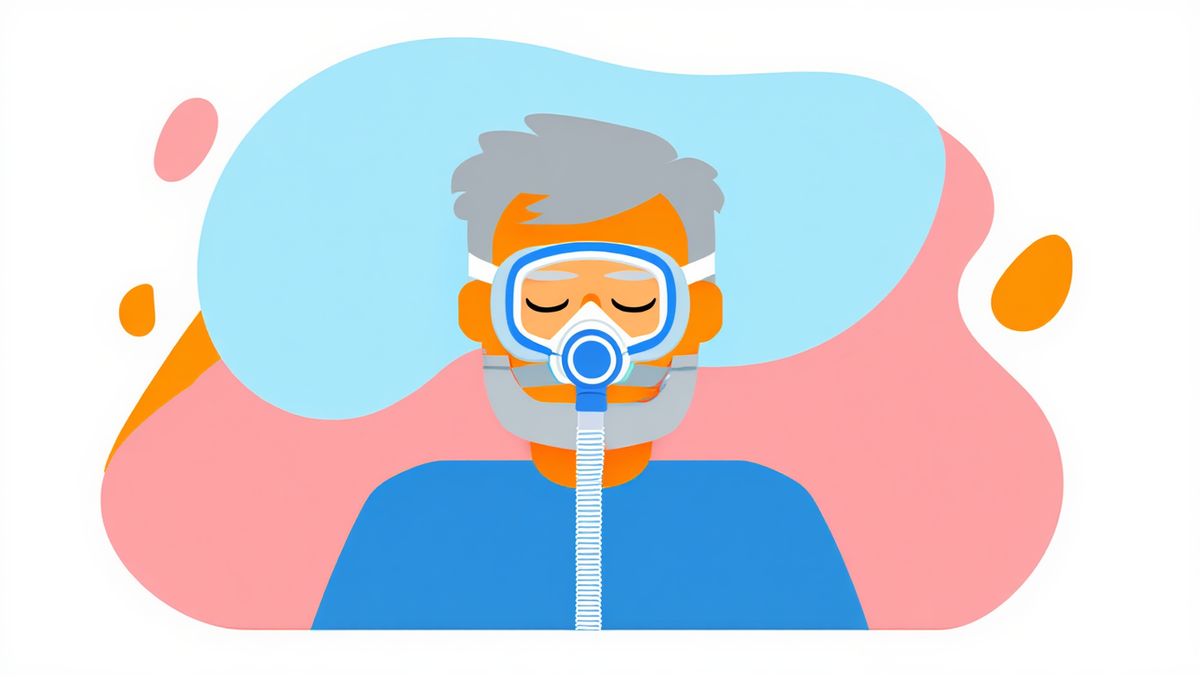
The Hidden Scope of the Problem
What moves this to the front of the line is that an estimated 30-50% of adults over 60 have obstructive sleep apnea, and most don't have a clue. Sleep apnea doesn't just mean loud snoring. It means your breathing stops and restarts during sleep, often dozens or hundreds of times a night. Each pause briefly starves your brain of oxygen.
That's not something to sleep on.
If you asked the man on the street if they know of an association between sleep apnea and brain health, you'd be facing a string of stares. People who snore excessively know they're tired and not sleeping well. But the brain piece? Hmm, news to them.
Don't Self-Diagnose — Here's Why That Matters
Before you schedule a sleep study or start pricing CPAP machines, there's an important caution to understand.
Dr. Robert Thompson, DO, MS, FAAFP, Medical Contributor at Care Point Boston, a mental health and crisis care center, wants older adults to hear this first: the symptoms of sleep apnea – fatigue, poor sleep, daytime sleepiness – are shared by a long list of other conditions.
"It is very possible for older adults to over-estimate what causes their fatigue, poor sleep quality, or excessive daytime sleepiness," Dr. Thompson says.
Other common culprits include insomnia, medication side effects, depression, heart disease, thyroid issues, anemia, and age-related changes to sleep patterns.
He's also direct about marketing red flags in the sleep health space.
"Marketing that claims 'if you snore you must get treated,' or 'there is one device that will cure your sleep problems,' are examples of red flags — and patients should always question them."
The takeaway: if you suspect sleep apnea, get tested — but make sure the diagnosis is based on real data, not assumptions.
What a Real Diagnosis Looks Like
According to Thompson, the only way to get a proper diagnosis is from objective testing. You could have either a validated home sleep study or if a medical professional thinks it's necessary, an in-lab polysomnogram (PSG) when medically necessary.
What you're looking for is how you score in an Apnea-Hypopnea Index (AHI), the process that determines how many breathing interruptions occur per hour of sleep is measured and, in turn, the severity of your condition and guides treatment decisions.
"Patients need to know more than just whether there were apneic events documented during the testing," Dr. Thompson says. Knowing the AHI specifically "allows them to determine the severity of the condition" and pursue care that's actually matched to their situation.
 Gary P Guthrie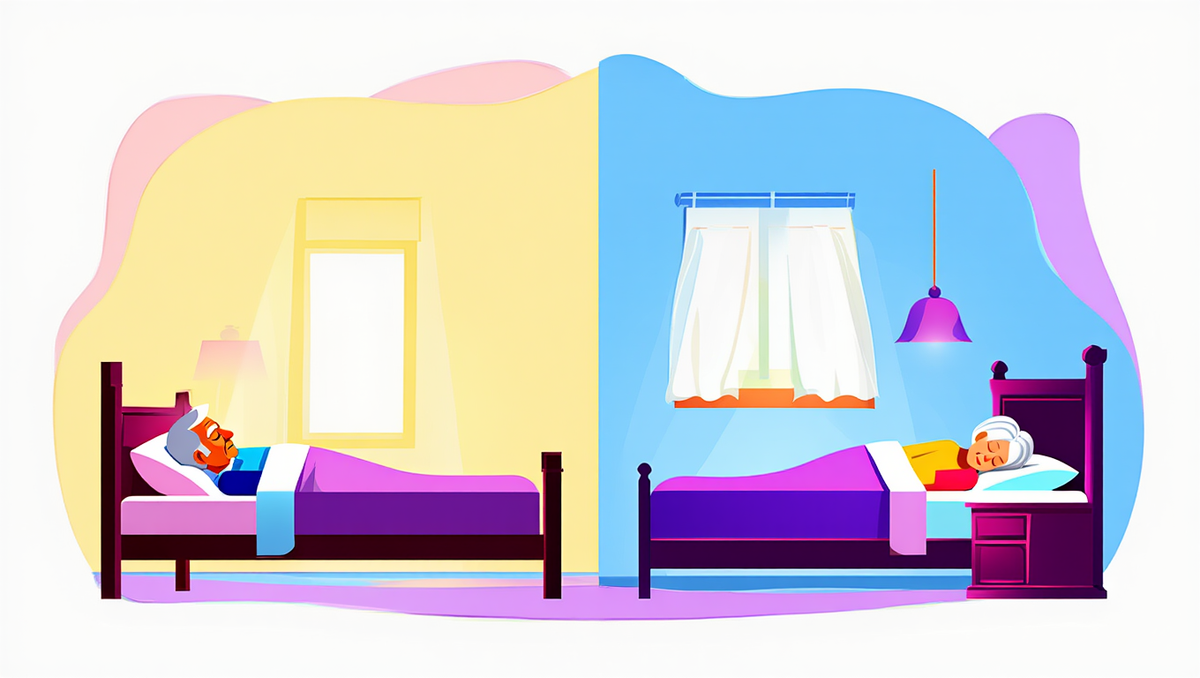
The Right Questions to Ask Your Doctor
Dr. Thompson told Smart Senior Daily that if he were on the patient's side of the desk, he would ready four questions to ask his primary care physician or a sleep specialist:
- What is my AHI?
- How severely are my symptoms affecting my ability to function?
- Are there any other medical reasons for my symptoms?
- Are there any alternative treatments available to me?
Treatment options vary significantly depending on severity. CPAP is the most studied approach for moderate-to-severe OSA, but other options exist for milder cases or for people who struggle with CPAP compliance.
CPAP Compliance Explained
According to the Sleep Foundation, "CPAP compliance is measured by monitoring the number of times and total hours people use their CPAP machine. While the ultimate goal is for patients to follow their exact prescription, insurance companies typically define compliance by the 4-hour rule: using your CPAP machine at least 4 hours a night, at least 70% of the time within a 30-day period."
The Bigger Picture
Anyone who thinks that sleep is just rest, they'd be wrong. The nuts and bolts of what this research is saying is a change in thinking that every adult over 60 should pay attention to: sleep isn't just rest. It's maintenance. If your brain gets deprived of oxygen night after night, and in ways you often can't feel without testing, the cumulative effects can result in memory loss, slower thinking, and elevated dementia risk in years to come.
The encouraging news is that some of that damage appears to be reversible with treatment. That's significant.
If you or someone you love has been putting off a sleep evaluation, this research gives you a concrete reason to stop waiting. Get tested. Get the numbers. Ask the questions.
Your brain will thank you.
Sources: National Library of Medicine, PMC12761821; Dr. Robert Thompson, DO, MS, CPE, FAAFP, Medical Contributor, Care Point Boston (carepointboston.com)