The Social Security Administration and its Office of the Inspector General are none too happy. They've just added a new warning to their scam-alert page—one about how scammers are now claiming they can transfer your call directly to SSA or the OIG.
Guess what? They can't.
No one—especially no legitimate company or government agency—can hand your call off to Social Security.
Do scammers not like the SSA? Must not. SSA impersonation continues to be one of the most common fraud schemes in the country, and the alert comes as government impersonation complaints to the FTC are up 25% to more than 330,000 in 2025.
 Smart Senior Daily Staff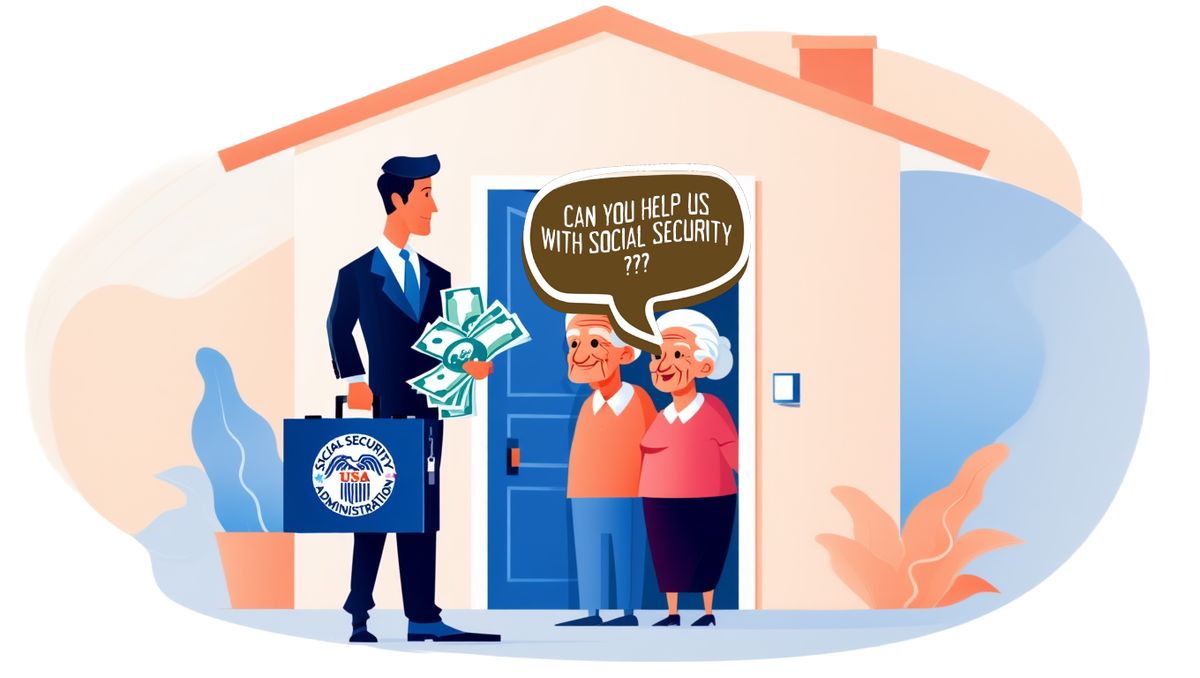
What do Be on the Alert For
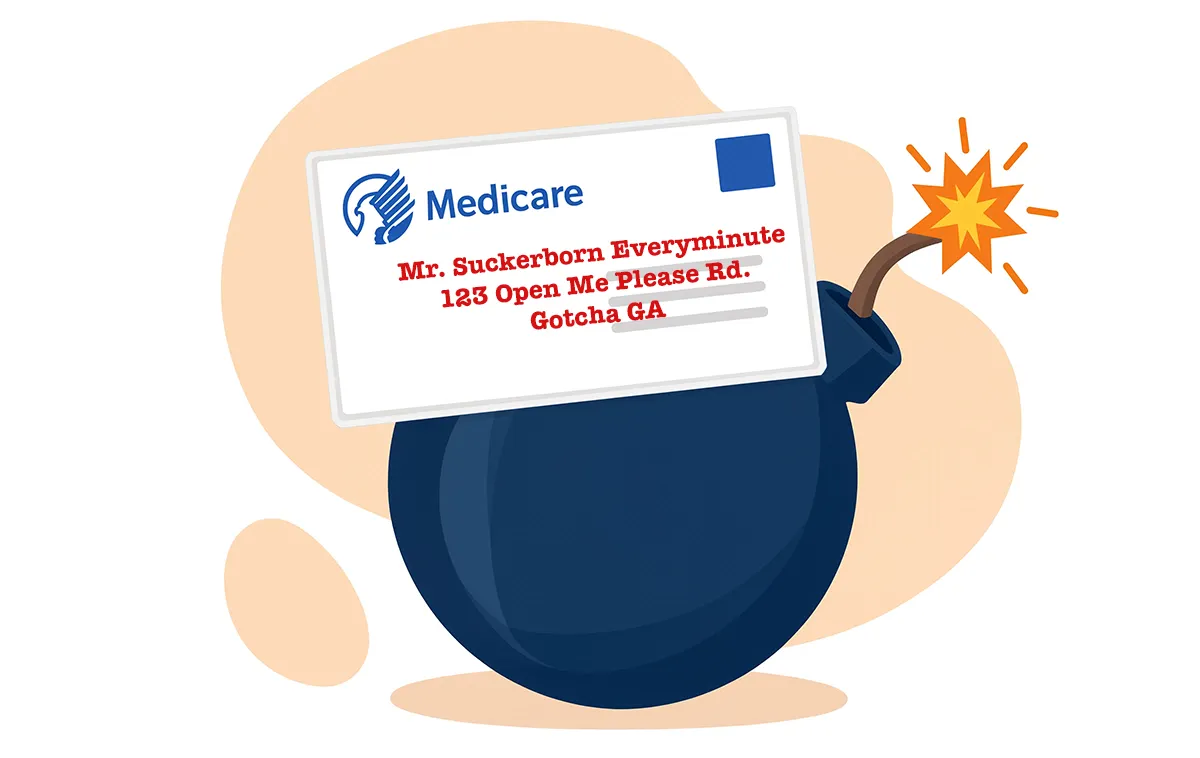
Scammers contact you by phone call, text, email, website, or even social media message, and they nearly always use a fake problem with your Social Security number or benefits.
And like other scams, the scammers build a sense of urgency, telling you that your SSN has been suspended, your benefits are at risk, or that your account needs “verification.”
Then they come in for the kill—pressuring you to act now. Some newer versions send emails that look like an official Social Security statement and include links or attachments to "download your document." Clicking reveals your personal information and delivers nothing real.
The Fake "Transfer" Gets an Upgrade
As if that's not enough, there's also a new SSA twist on that same call-transfer trick, and it's a good one to know.
Scammers posing as a retailer or a government agency call, then "transfer" you to what sounds like an SSA representative. That fake rep tells you your identity has been stolen and offers to issue you a brand-new Social Security number on the spot.
The catch: SSA warns that caller ID can be spoofed, so even the number showing on your phone can look legitimate. That's what makes this version work even on people who'd normally hang up on a suspicious call.
The one rule that defeats it: SSA never calls you asking you to "verify" your Social Security number. Not to fix a problem, not to issue a new one, not for any reason. If a call goes down that road, no matter who it claims to be transferring you to or what the caller ID says, hang up, and call the SSA directly.
 Smart Senior Daily Staff
Who's Most at Risk — an Why It Matters More Now
Financial exploitation is already the most common form of elder abuse and people living with dementia are particularly vulnerable victims 80 and older lose an average of $39,200 a year to fraud often without recognizing or reporting it.
The same tactics that work on any target become all the more effective as memory and financial decision-making falter. If you are a caregiver, the Alzheimer’s Association recommends a few simple safeguards:
- Set limits on credit card spending.
- Register for the National Do Not Call list.
- Switch to auto-pay for bills.
- Sign up for transaction alerts on bank and credit accounts.
- Ask credit card companies to stop mailing balance-transfer checks.
None of these need to take away someone’s independence; just add a level of visibility.
 Gary P Guthrie
 Gary P Guthrie
 Gary P Guthrie