According to the National Academies of Sciences, Engineering, and Medicine, 43% of adults aged 60 and older report feeling lonely frequently. Add to that, the ever-present safety concerns for seniors living alone, and you've got two very important things that need to be given serious consideration.
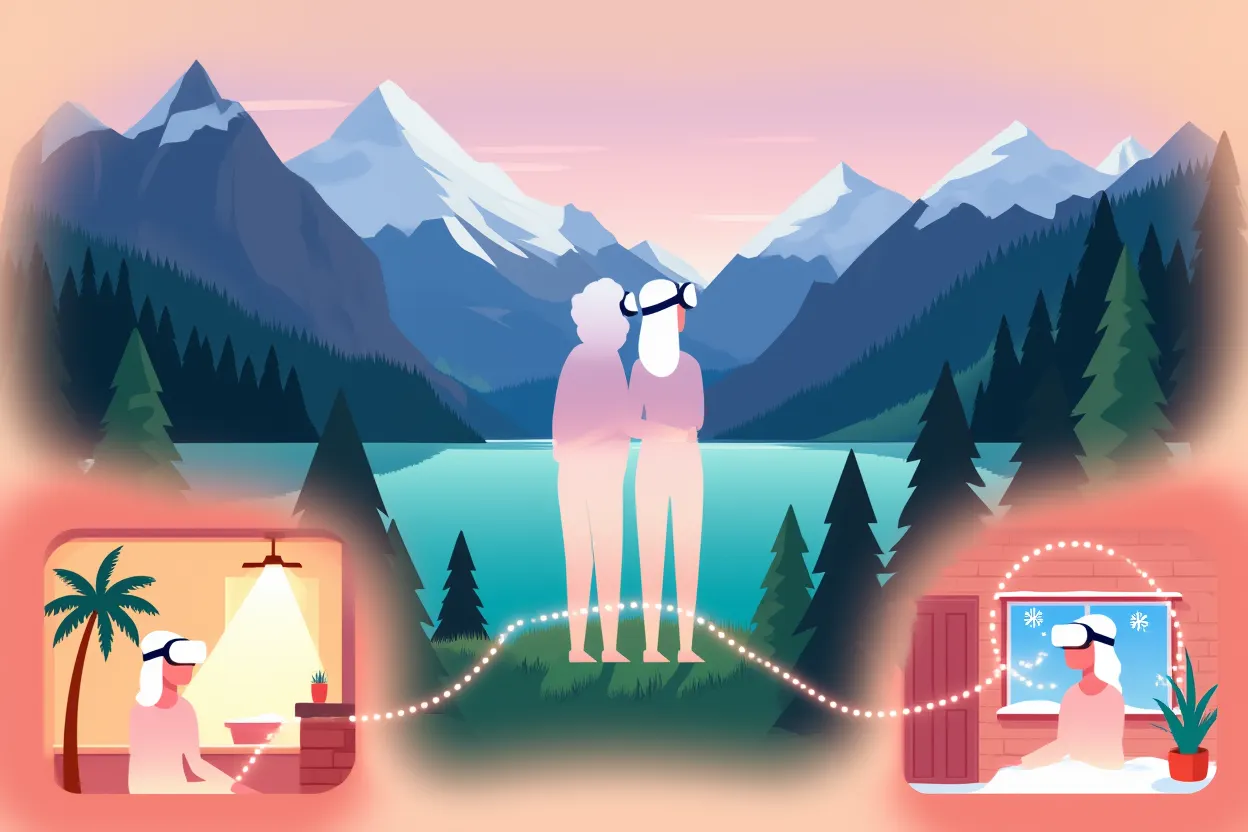
Luckily, technology has the potential to change this. Whether it’s a video chat with grandchildren, allowing a grandmother to join a birthday celebration from afar, receiving a medical alert from a smart device when a loved one needs help, or getting a friendly reminder to take medication, today’s smartphones, tablets, and smart home safety devices are far more than mere conveniences—they’re essential lifelines.
“One of the biggest shifts we’re seeing is the move toward using familiar devices, like the television, to deliver connection," Krissy Nappi, Vice-President of Uniper told Smart Senior Daily.
"When you remove the need to learn something new, and instead build on what people already know, adoption increases dramatically and so does engagement.”
These tools deliver comfort, security, and meaningful connections, empowering seniors to live independently while still feeling the warmth and closeness of family even across the miles.
“The research reinforces what we’re seeing every day- when older adults have easy, consistent ways to connect using technology, their social worlds expand," Nappi said.
"But access alone isn’t enough. The experience has to be simple, reliable, and designed for how they actually live day to day.”
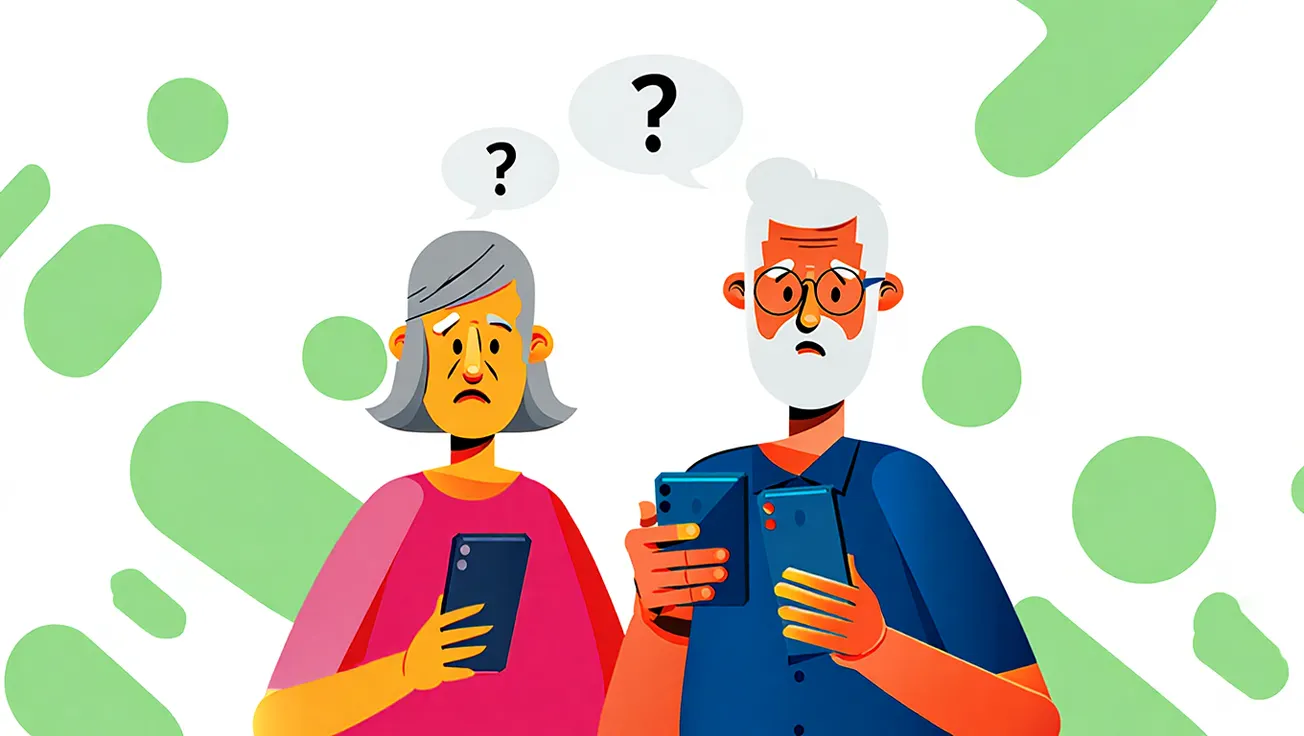
Yet, many seniors find the digital world overwhelming. Helping them gain the confidence and skills to use these tools is crucial.
 Smart Senior Daily Staff
Where to start: Tech worth a closer look
Technology for Seniors is sort of like a see-saw: Knowing that technology can help is one thing. Knowing where to begin is another.
The good news is that today's senior-friendly devices are far simpler to use than they were even a few years ago and many require little more than plugging in and following a few basic setup steps.
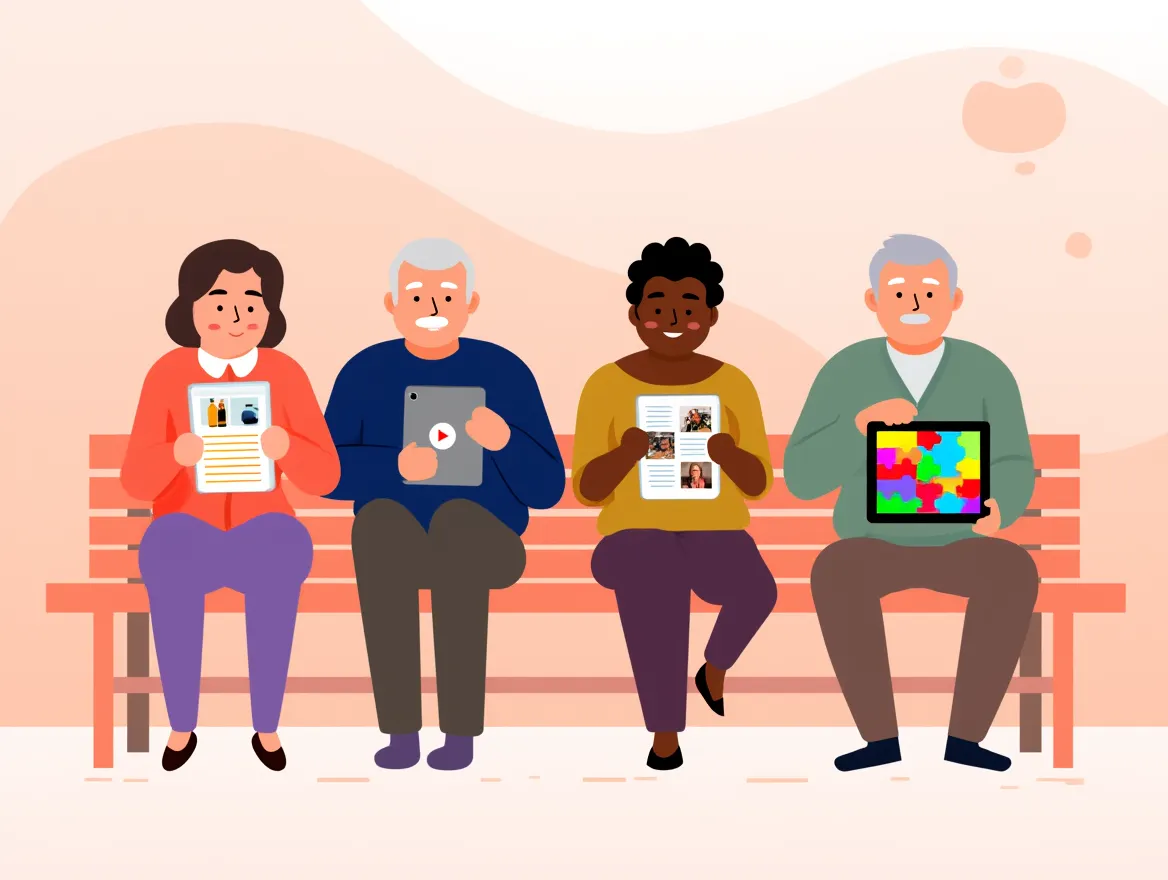
In its analysis of devices that "help," Edgewood Healthcare suggests that for connection, tablets designed with larger buttons, simplified apps, and easy video calling have become go-to tools for staying in touch with family.
And for those who find even a tablet daunting, newer platforms are bringing video connection directly to the television — the one screen most older adults are already completely comfortable with.
💡Local libraries may have free courses on how Seniors can use tech, too.
Don't discount the safety factor
On the safety side, modern medical alert devices have moved well beyond the traditional pendant. Many now integrate with smartphones and smart speakers, offering automatic fall detection and direct alerts to family members or caregivers.
Smart medication dispensers are another practical addition, using automated alerts and locked compartments to release only the correct dose at the correct time and notifying caregivers by text or app if a dose is missed.
Voice-activated assistants like Amazon Alexa and Google Nest have also quietly become some of the most useful tools in a senior's home. Beyond playing music or setting reminders, these devices now integrate with emergency response systems, medication alerts, and lighting controls, all operated with a simple voice command.
For those with mobility or vision challenges, the ability to manage the home environment without lifting a finger is a genuine quality-of-life upgrade.
Motion-sensor lighting is one of the simplest (and most overlooked) investments a senior or family member can make or gift to their aging-in-place relative. Systems that automatically illuminate hallways, bathrooms, and stairways eliminate the need to fumble for a light switch in the dark, addressing one of the most common causes of falls at home.
In the end, the goal of all this technology isn't really about gadgets at all. It's about what those gadgets make possible: a phone call with a grandchild on a quiet Tuesday afternoon, the confidence to stay in a home you love, the peace of mind that help is close if you need it.
For older adults navigating the shorter days of autumn and beyond, that kind of reliable, simple, and always within reach connection may be the most important thing technology has ever delivered.