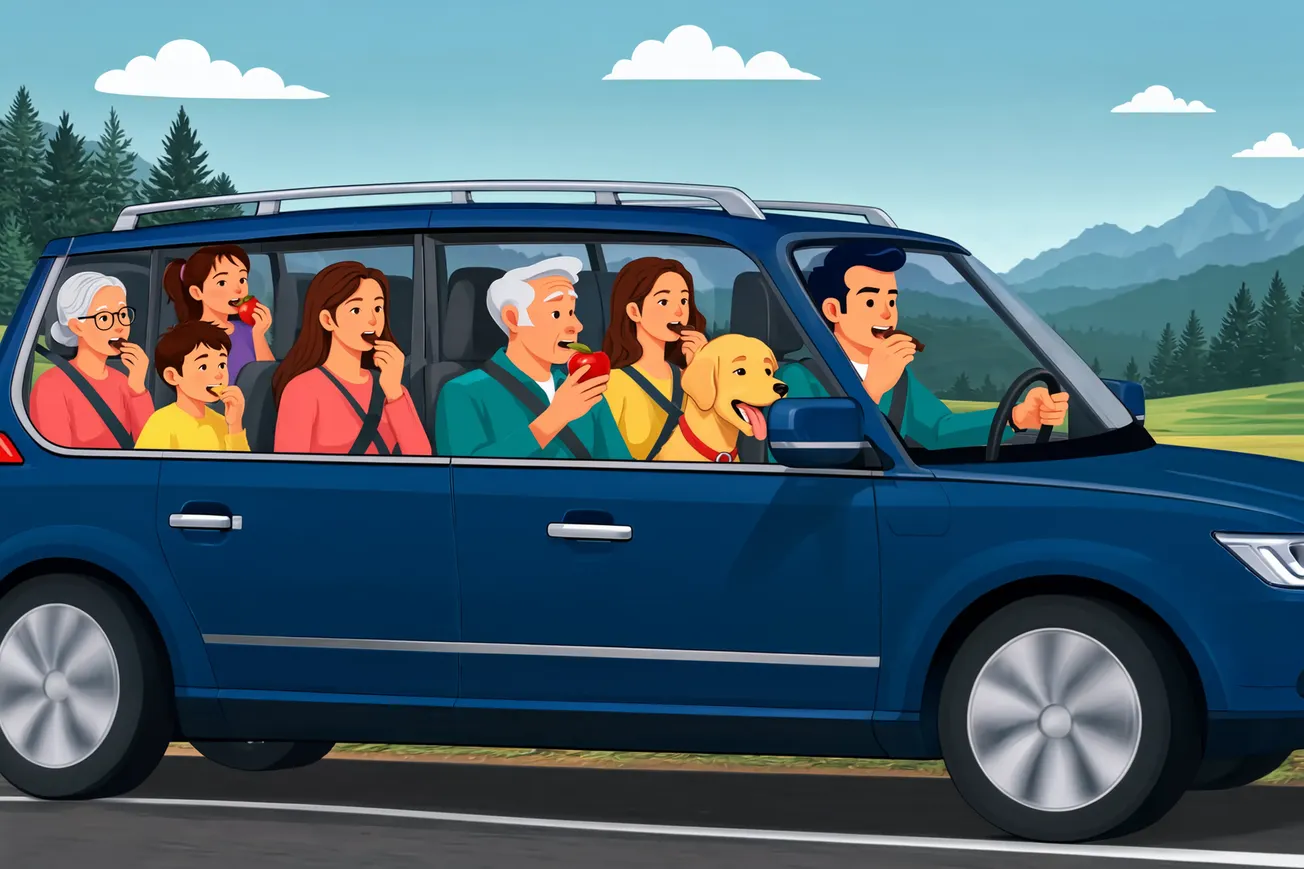
It's not exactly a typical summer when it comes to traveling is it? Grim is the adjective many travel agents would use to describe airfares with the end-around for millions of Americans being to drive instead, despite the shakiness of gas prices. And, if it's any indication of how many are taking to the road, more than 45 million were doing it in their cars over Memorial Day weekend alone. And that's just the beginning.
Long drives come with a familiar trap: eating and hydrating. It's not as simple as a packing a couple of PB&J sandwiches, some carrot sticks, and a bag of pretzels for the family like it used to be. We're too busy for that. We leave home with good intentions and end up staring down the snack aisle at a Buc-ees three hours later, tired and hungry and not particularly picky.
Sports nutritionist and best-selling author Heidi Skolnik, MS, CDN, FACSM, told Smart Senior Daily there's a smarter way to handle that situation – and it starts before you back out of the driveway.
"The advice that actually works isn't 'prepare elaborate bento boxes at 6 a.m.,'" Skolnik said. "It's about making the right choice the easier choice before you ever leave."
Her strategy is something she calls "snack stacking." Something she said is built by anchoring every snack around a protein source and building from there based on appetite and who's in the car.
Believe the Science
The science behind snack stacking is 1-2-3 simple. One of protein's magic tricks is that it slows how quickly food leaves your stomach, which blunts the blood sugar spike that follows a carb-heavy snack eaten alone. That's why after you grab a bag of Fritos or a Reese's at a gas station, you get a fast glucose surge, a quick drop, and a brain demanding more fuel within the half hour.
"On a long drive, that's not just uncomfortable," Skolnik said. "Blood sugar dysregulation can play a real role in fatigue and poor focus. It can be a safety issue."
(Seniors are highly vulnerable to dangerous drops in blood sugar, in particular, because their bodies may not react to low glucose naturally, often leading to confusion, dizziness, and dangerous falls.)
Protein, she added, also packs an alertness edge for drivers, an added reason to think past feeding the vending machine.
Easier Than You Might Think
The practical application doesn't require much, either. For cooler space, Skolnik suggests Greek yogurt pouches, cheese sticks, hard-boiled eggs, or turkey roll-ups. For everything that doesn't need refrigeration — where she says "the game is really won" on a road trip — beef or turkey sticks, roasted edamame, and dried fava beans all hold up fine and deliver a meaningful protein payload. Pair them with trail mix, fruit, whole grain crackers, or a granola bar and you have a complete snack that travels without any fuss.
Her go-to is even simpler.
One combination she mentions often is a piece of fruit and a beef stick. Simple, no prep work, and the protein-plus-fiber pairing covers all the bases. For travelers who want to pay attention to what's actually in their portable protein, she points to products like Jack Link's Clean Ingredient line — beef sticks and steak slices made with three ingredients.
In the day of products being slapped with a "protein" sticker only to be loaded down with chemical upon chemical, these Jack Link's are an example of what a short, readable label looks like in practice.
"The 'processed' label gets applied very broadly, and it can be misleading," she said. "Minimally processed whole-food ingredients are a very different story from ultra-processed." For her, the truth is evident if you know where to look. "Look at the ingredient list, not just the front of the package."
But What About Sodium?
On the sodium question that inevitably comes up with jerky: Skolnik is measured about it. On the Yes side, it's worth being aware of, particularly for people managing blood pressure. But on the Didja Know side, she points out that sodium doesn't operate in isolation. Take potassium-rich foods like bananas, avocados, and dairy, for example: all actively help the body manage the balance.
"A few slices of steak on a road trip, eaten alongside a banana and some water, is not the same as a chronically high-sodium diet," she said.
The Kids Can Still Have a Voice in This
For families traveling with grandkids who have strong opinions about what counts as a snack, Skolnik has a practical suggestion there too: let them pick two or three fun-size treats of their own alongside everything else.
"They tend to be more flexible when they have some agency," she said. "They're less likely to mutiny when they feel heard."
The goal, she said, is to walk into a rest stop because you need a bathroom — not because you're starving and the golden arches are the only option in sight. Pack enough to make that possible, and most of the hard decisions solve themselves.