For years, older adults have been warned about financial predators and fraud. Banks issue alerts, law enforcement publishes scam warnings, and government agencies and community groups circulate information about suspicious calls, fraudulent emails, investment and impersonation schemes, and romance scams.
Despite all this, losses to financial predators keep rising at an alarming rate.
That raises a question: if older adults have more information than ever to protect themselves, why is the problem getting worse?
Maybe it's how we're communicating.
 Smart Senior Daily Staff

One Size Doesn't Fit All
The term "seniors" covers a wide range of people, circumstances, and abilities. Many people well past middle age work, travel, manage their own finances, and use technology every day. Others may be isolated or facing physical or mental frailty.
Speaking to all of them as one generic group of vulnerable people alienates many of the very people we need to reach.
I'm 57, healthy, and independent. I run a senior protection foundation named for my father, and with my wife, I run a global business. My father, who passed away last year at 95, was at a very different stage of life. Like many people in their 90s, he needed greater support and protection.
Older adults experiencing cognitive decline, physical limitations, or isolation do need stronger safeguards and more family involvement. But others the same age are running businesses, managing investment portfolios, leading governments, traveling the world, and banking on their smartphones.
Lumping us all together doesn't make sense. Many of us don't even think of ourselves as "seniors." As the saying goes, 60 is the new 40, so by that logic, 70 is the new 50!
When the Message Misses the Audience
If fraud prevention messaging sounds like it's aimed at someone frail, confused, or baffled by technology, a healthy, independent older adult will assume it has nothing to do with them and tune out before hearing it.
Scammers Want Your Assets, Not Your Weaknesses
Older adults aren't targeted mainly because of perceived frailty. They're targeted because they often have a lifetime of savings, investments, and retirement income. Many of us own our homes, have great credit, and have built up other assets through decades of hard work.
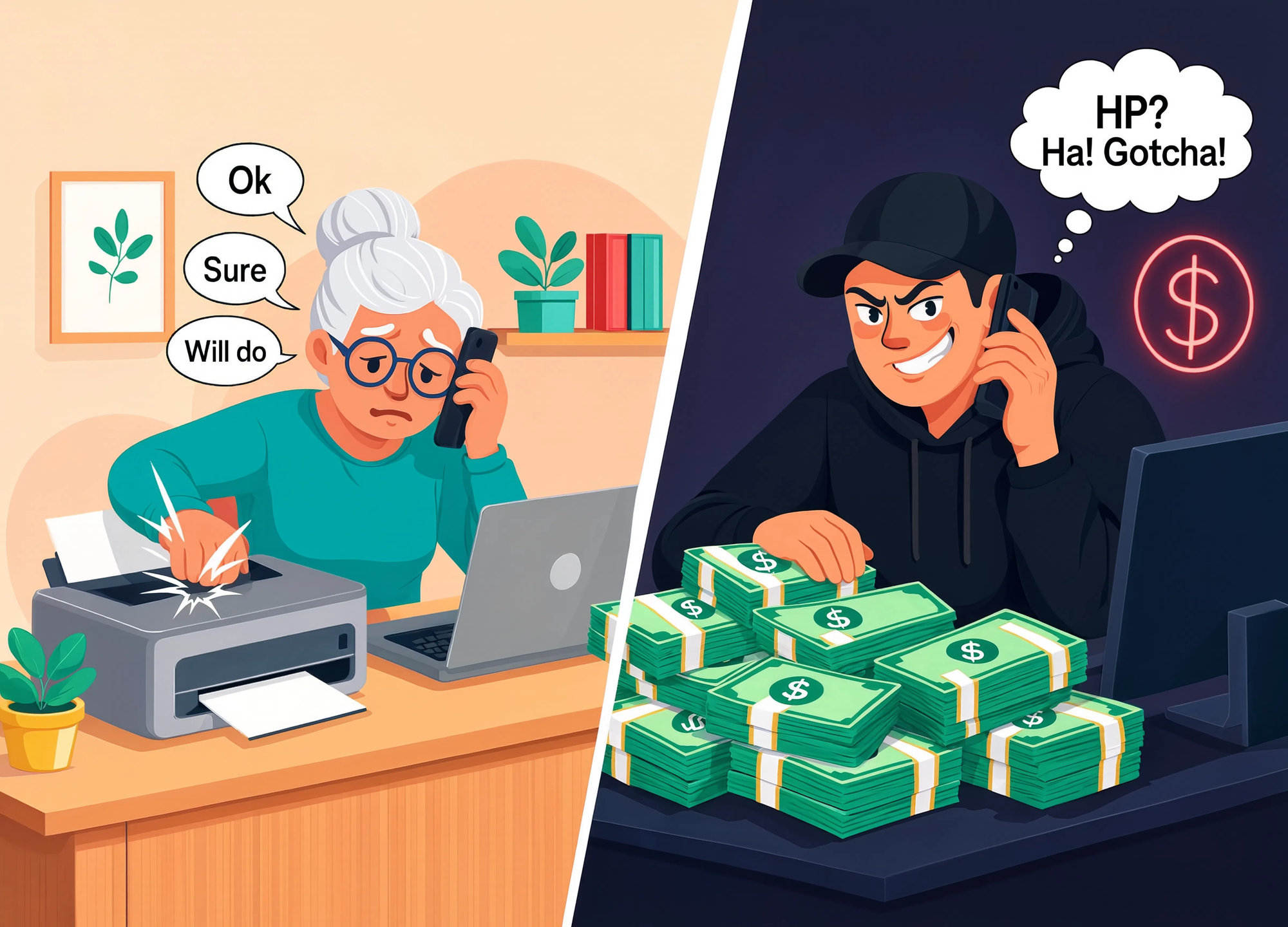
Scammers know this. Whether the scheme involves online dating, tech support, cryptocurrency, or an email appeal, it works through a false persona. Criminals manufacture urgency, create fear, demand secrecy, and impersonate authority figures, banks, government agencies, and tech companies. Their methods keep getting more sophisticated because they understand human psychology and know how to build false trust. New technology even lets them convincingly impersonate family members.
Smart People Get Scammed Too
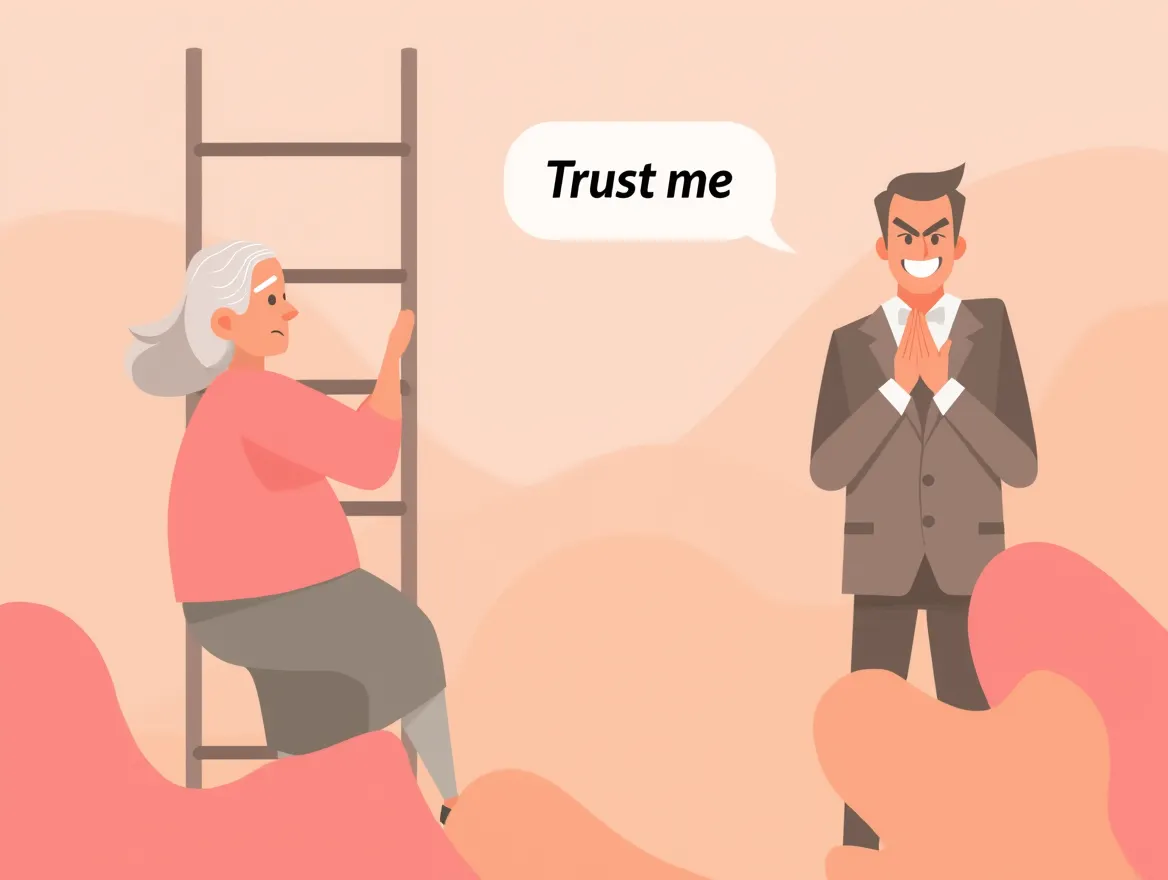
Most people assume they'd never fall for a scam. But even the most intelligent and experienced people can be manipulated. That's why talking down to older adults doesn't help.
 Smart Senior Daily Staff
Caution Without Fear
Fraud education should make older adults safer without making them afraid. If we suggest that online banking, email, or smartphones are inherently dangerous, we create a different problem: isolation.
These tools are now part of everyday life, and used safely, they support independence, social connection, entertainment, and learning. Scaring people offline doesn't keep them safe.
Effective education teaches people to recognize manipulation and to walk away the moment they feel pressured.
Shame Keeps Victims Silent
When prevention campaigns paint seniors as gullible or confused, victims of fraud can feel deep shame. That's a big reason so many scams go unreported. Telling someone can feel like admitting incompetence when the blame belongs to the scammers and their increasingly sophisticated tactics.
Reporting fraud is not an admission of failure. It's a vital form of community protection. Victims must feel safe telling their stories, and governments and other stakeholders must listen.
 Skip to content
Families as Partners, Not Guardians
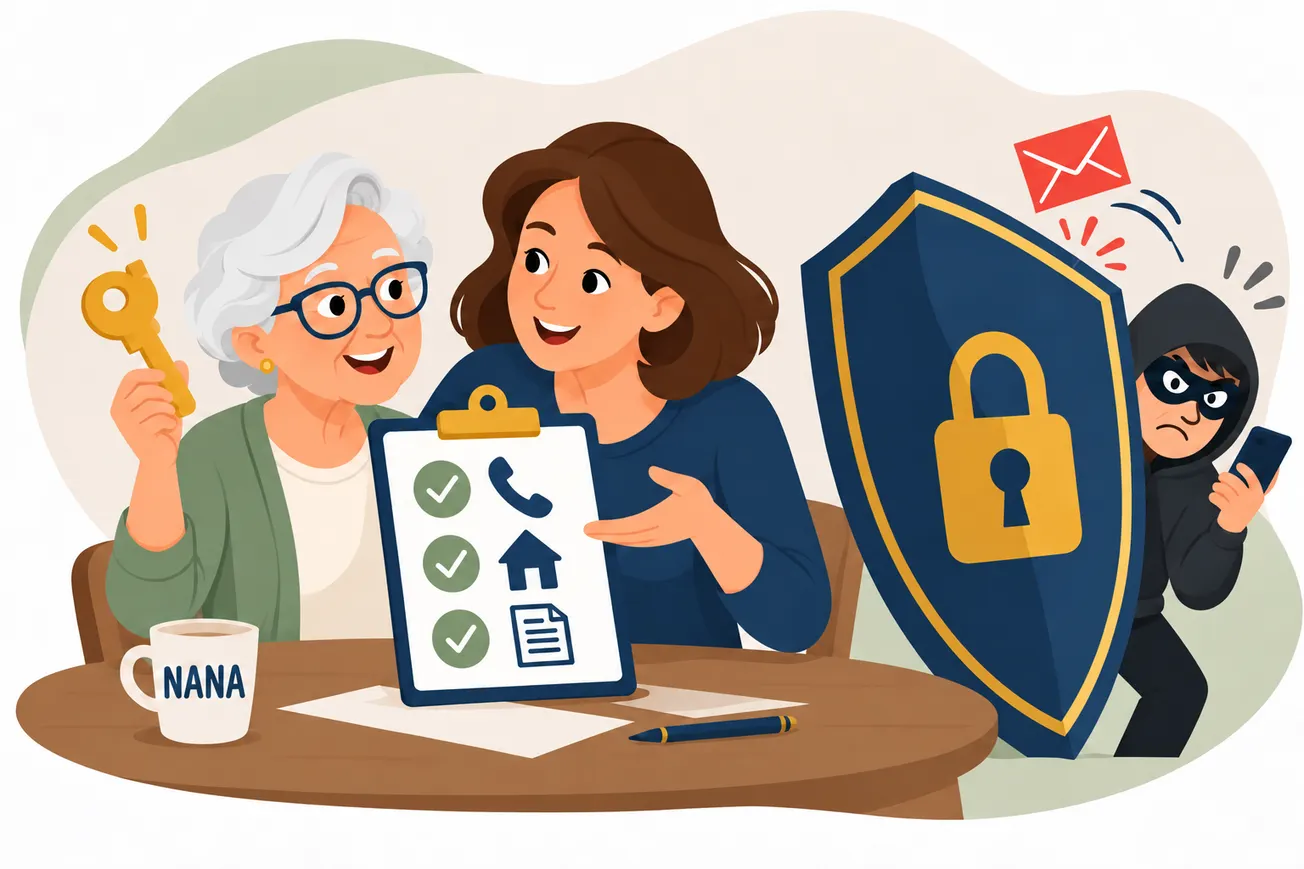
With the population aging quickly and technology outpacing law enforcement and policymakers, families have to be proactive. Protecting an older relative doesn't mean taking away their independence. It means having open conversations about financial safety and working together to spot unusual requests.
Respect Makes the Message Work
At the John Parkinson Family Foundation, we're hearing from police, regulators, elder abuse organizations, community leaders, and financial professionals. Our message is simple: fraud education has to reach older adults in a form they recognize as relevant to them.
Articles titled "What Scams Should Seniors Watch Out For?" illustrated with stock photos of seniors strolling in a park, clasped hands, or a wheelchair marginalize the message and ensure the people who most need it won't hear it. So does framing warnings as younger people lecturing "poor old seniors who don't understand the modern world." That doesn't describe most older adults today, and it insults their intelligence.
Seniors may be targeted more because of their means, but anyone of any age can fall victim to a financial predator. If we want fraud prevention messages to resonate with older adults, we have to respect their intelligence, independence, and integrity.