Measles was supposed to be a disease of the past. The U.S. declared it eliminated in 2000. But the country is now tracking toward its worst year for measles since 1992, driven by falling childhood vaccination rates and sustained outbreaks that, this year, aren't staying contained to one or two communities.
Before you offhandedly say, "This isn't for me; I'm too old to worry," you better look at your own vaccination history.
Vaccine experts are backing this up, too. Dr. William Moss, professor of epidemiology and executive director of the International Vaccine Access Center at the Johns Hopkins Bloomberg School of Public Health, points out that a meaningful share of this year's cases are showing up in adults—a pattern he attributes to years of eroding vaccination coverage nationwide.
Why Your Birth Year Matters
Measles vaccine recommendations have shifted several times since the 1960s, and where you land depends on exactly when you were born and vaccinated:
Born before 1957
You're presumed immune and can go on about your business. Nearly everyone caught measles naturally before the vaccine existed, so the CDC doesn't recommend vaccination for this group (with one exception below).
Born 1957–1967
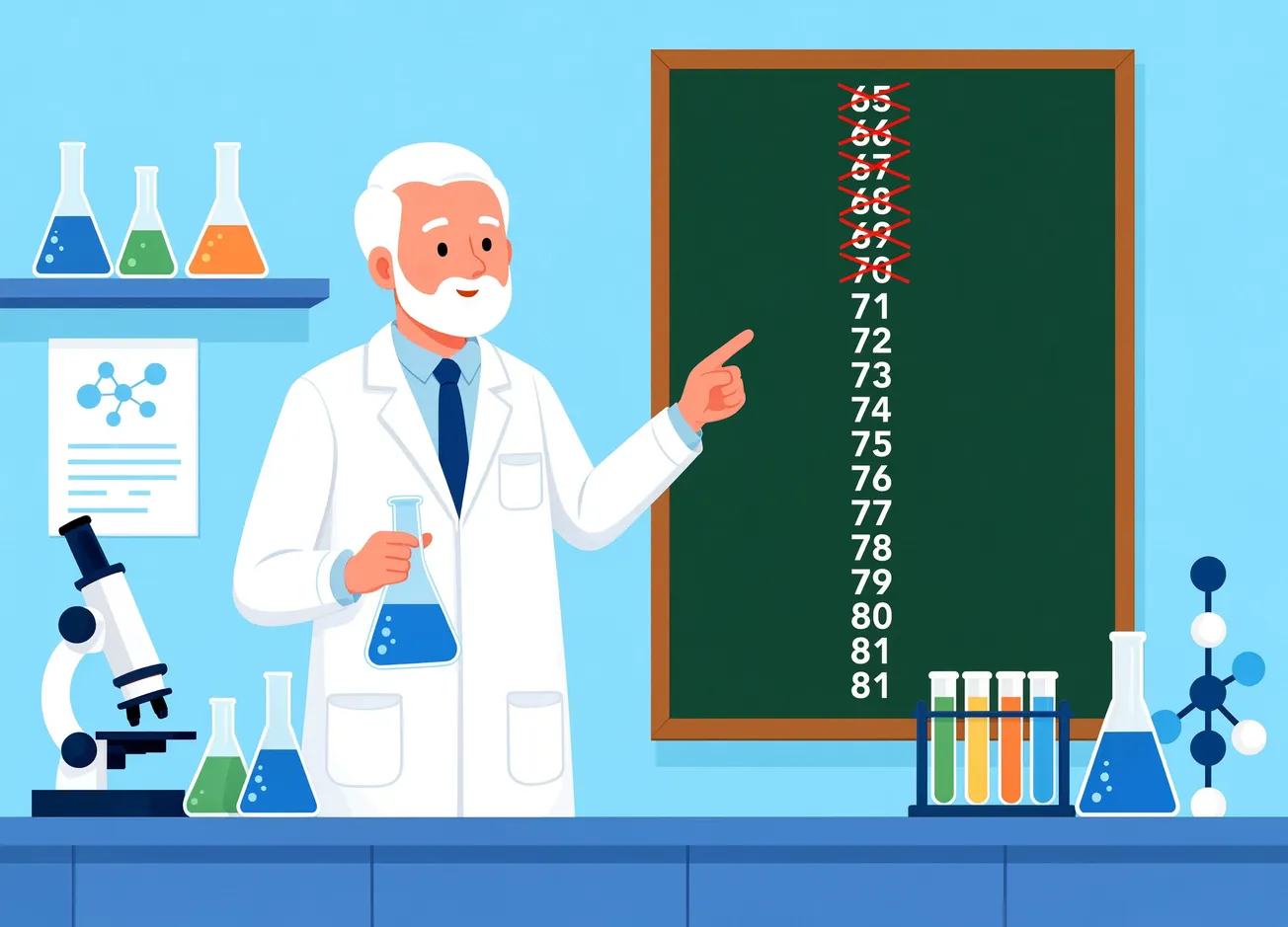
This is the group worth double-checking. Here's the problem spot that anyone 60-70'ish needs to worry about.
When the vaccine first rolled out back in pre-Beatles' 1963, two versions were available—a live, weakened version that worked and an inactivated "killed" version that, researchers later discovered, failed to provide lasting protection. They took that version out of circulation in 1967, but it had already gone to a small number of people.
If you're not sure which one you received, or if your records show "measles vaccine" without specifying the type, the CDC recommends getting revaccinated with the current MMR shot.
What to Actually Do About It
The CDC's guidance is refreshingly low-stakes: if you can't find your records or can't confirm what you got, there's no harm in simply getting another MMR dose.
Or...
Your doctor can also order a blood test to check for measles antibodies if you'd rather confirm immunity before rolling up your sleeve.
Measles and older adults are a bigger concern than they used to for a couple of reasons tied to other illnesses that seriously affect seniors.
- Measles in adults carries a higher risk of complications like pneumonia and encephalitis than it does in healthy children, and
- It's especially dangerous for anyone who is immunocompromised, has certain chronic conditions, or is undergoing treatments that suppress the immune system—all more common after 60.
The bottom line
No need to panic, but you also shouldn't assume the shot you got decades ago is doing what you think it's doing.
If you're a Baby Boomer or in Generation X, pull out your vaccination records—or call the doctor's office that has them—and confirm where you stand. It's a five-minute phone call that closes a gap most people don't know they have.