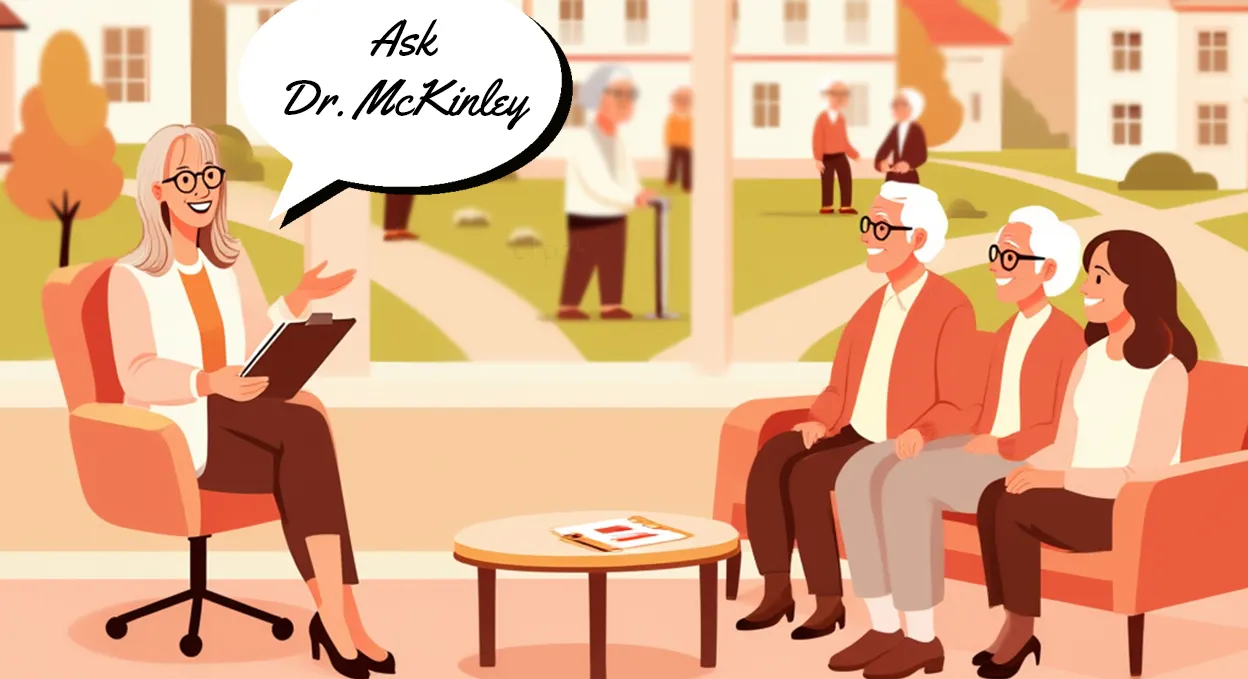
Question: What do most people wish they had asked before they moved?
Deciding to move to a life plan community can feel overwhelming. One of the most common reflections I hear from residents is, “I wish I had done this sooner.” Many are surprised by how quickly they feel at home and become actively involved.
Life plan communities today are vastly different from the outdated, institutional images many people still imagine. They are vibrant, choice-driven environments designed to enhance—not limit—your lifestyle.
I always encourage people to start exploring options before there’s an urgent need to move. This allows them to remain in control of the decision. Over the years, I’ve noticed that most unasked (and later regretted) questions fall into three main categories: health management, changes in living arrangements, and finances.
Here are some important areas to explore:
- Contracts and financial structure
What types of contracts are offered? A life plan contract outlines how fees may change over time and under what circumstances. It’s wise to review it carefully—often with an attorney—and to understand both entry fees and monthly costs. - Future health needs and financial impact
How are changing health needs addressed? What services are included, and what may require additional payment? Can you bring in a private aide or housekeeper? Many communities now offer clinics, rehabilitation, wellness programming, home health, companions, housekeeping, and multiple levels of care. Understand what’s available—and how it’s paid for. - Changes in residence within the community
Transitions may occur due to health, mobility, lifestyle preferences, or changes in marital or partnership status. You may want a larger or smaller residence, or a different housing style altogether. Knowing how these transitions work—and their financial implications—is critical and often overlooked.
Ultimately, life plan communities aim to help residents remain in independent living for as long as possible, while providing a built-in safety net of support and care if needs change. The goal is continuity, and you don’t have to leave the community you call home.