Have a dog? Read on. Cat? You can stick around, but it is a dog story, ok? Just sayin'...
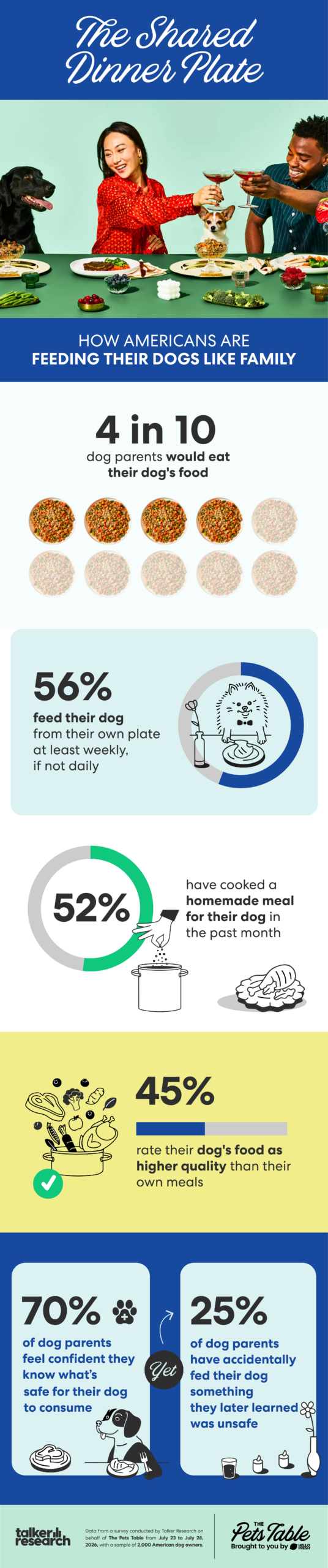
A new survey of 2,000 dog owners, commissioned by pet meal company The Pets Table and conducted by Talker Research, found that older dog parents are the sharpest in the bunch at spotting hidden dangers in human food.
But there is a slight catch: the same owners who know the most about what not to feed their dog woofed on the confidence level, earning the demographic badge of being the least confident when they try to cook for one.
The Safety Instincts Are Real
This part is the one that'll make seniors happy.
If you've got a Gen Z dog-owning grandkid in your family, ask them whether onions are dangerous for dogs, and they'll get it right almost half the time. Ask someone 62+, and the odds jump considerably.
The oldest survey group (ages 62 and up, including Baby Boomers and the Silent Generation) were most likely to say chocolate was unsafe, at 90.5%, compared to 77.4% overall and just 64.8% of Gen Z. The same pattern holds true for grapes (70.7% vs. 57.2%), onions (67.6% vs. 51.5%) and garlic (58.5% vs. 48.5%).
That knowledge is also reflected in behavior. Just 7.1% of dog owners 62 and older have ever fed their dog something they learned was unsafe, compared to 24.7% overall and 40.3% of Gen Z, no doubt.
The probable explanation is not mysterious: time. Dog owners 62 and older have been doing this for an average of 9 to 10 years, vs. just over 4 for Gen Z. Feeding mistakes tend to be made once and then remembered.
But Cooking Confidence Tells a Different Story
Here's where it gets good—and interesting—for seniors.
Among the smaller group of survey respondents who cook meals or snacks for their dog, confidence actually drops with age.
Millennials in this group were the most confident their homemade meals were nutritious enough (88.9%). But we dog owners 62-plus who cook for our pets came in (gulp) lowest, at 73.9%, and none of them chose the top answer, "extremely confident." (Note: this is a smaller slice of the survey, so treat it as a real signal rather than a hard number.)
The jig is up: the same owners who instinctively know grapes (and raisins) are dangerous are second-guessing themselves over a homemade batch of chicken and rice.
We asked Yana Sinkevich, founder of pet wellness company The Hearty Paw, why that gap might exist.
"Older pet parents may have more years of experience and recognize established food hazards such as grapes, chocolate, and garlic, however they likely follow more conventional feeding recommendations compared to younger generations," Sinkevich said.
"Younger pet parents are exposed to newer feeding philosophies such as raw feeding, fresh diets, and 'biologically appropriate' diets through social media and trends and are more willing to use technology to research and customize their dog's diet."
Interpretation? Older owners aren't doing anything wrong—they're just less immersed in the wave of raw, fresh, and "ancestral" diet trends sweeping pet nutrition the way paleo and carnivore diets have swept human nutrition. Younger owners are more willing to experiment; older owners tend to stick with what's worked.
That tracks with the rest of the survey, too. Dog owners 62 and older were far less tempted by convenience-driven pitches (9.6% cited it as a main barrier, versus 47% of Gen Z) and less swayed by human-grade fresh food (36.1% said they'd likely switch if it were as convenient as kibble, versus 51.75% overall).
The Good News Part: You Don't Have to Overhaul Anything to Add Fresh Food
If you've been curious about adding a little more real food to your dog's bowl, Sinkevich says it doesn't have to be complicated.
"You can even work with your veterinarian to make sure it's complete and balanced. There are also greater resources available online to help prepare balanced meals," she said.
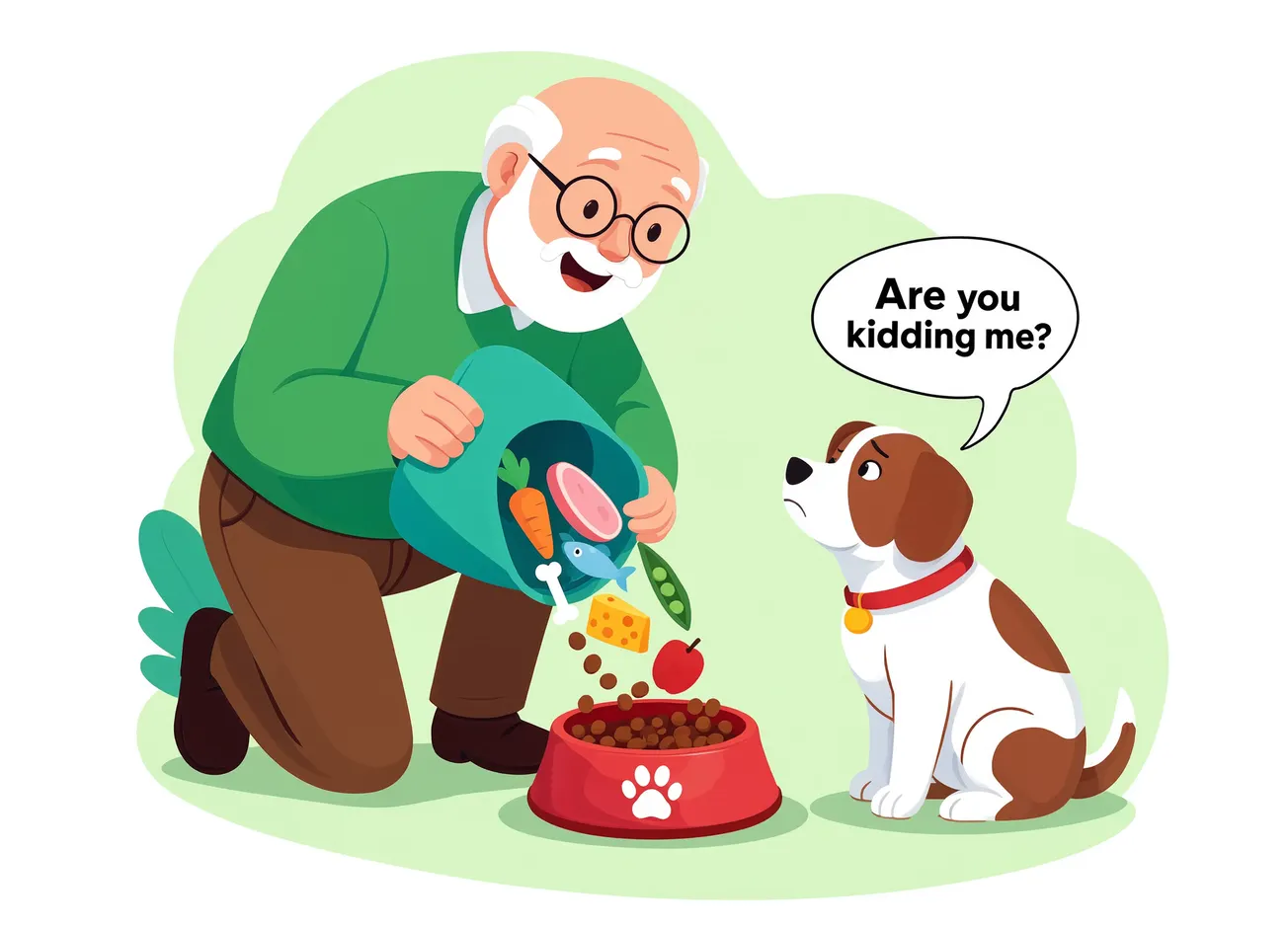
"You don't even have to completely shift to a do-it-yourself diet for your dog to reap the benefits of fresher foods. You can use kibble or any other complete and balanced commercial food as the foundation of your pet's diet and add nutritious toppers for a health boost."
Translation: your instincts are already solid. A quick vet conversation and a few reliable toppers can close the confidence gap without requiring you to reinvent your dog's entire diet.