When Smart Senior Daily saw that the FDA has published a concern over a pet medication for allergic itch that has been "prescribed for over 15 million dogs" (the manufacturer's estimate), we felt that since many of our readers have pets, we should do our best to let them know.
The most direct way to do that is simply publish what the FDA alert said. Here that is...
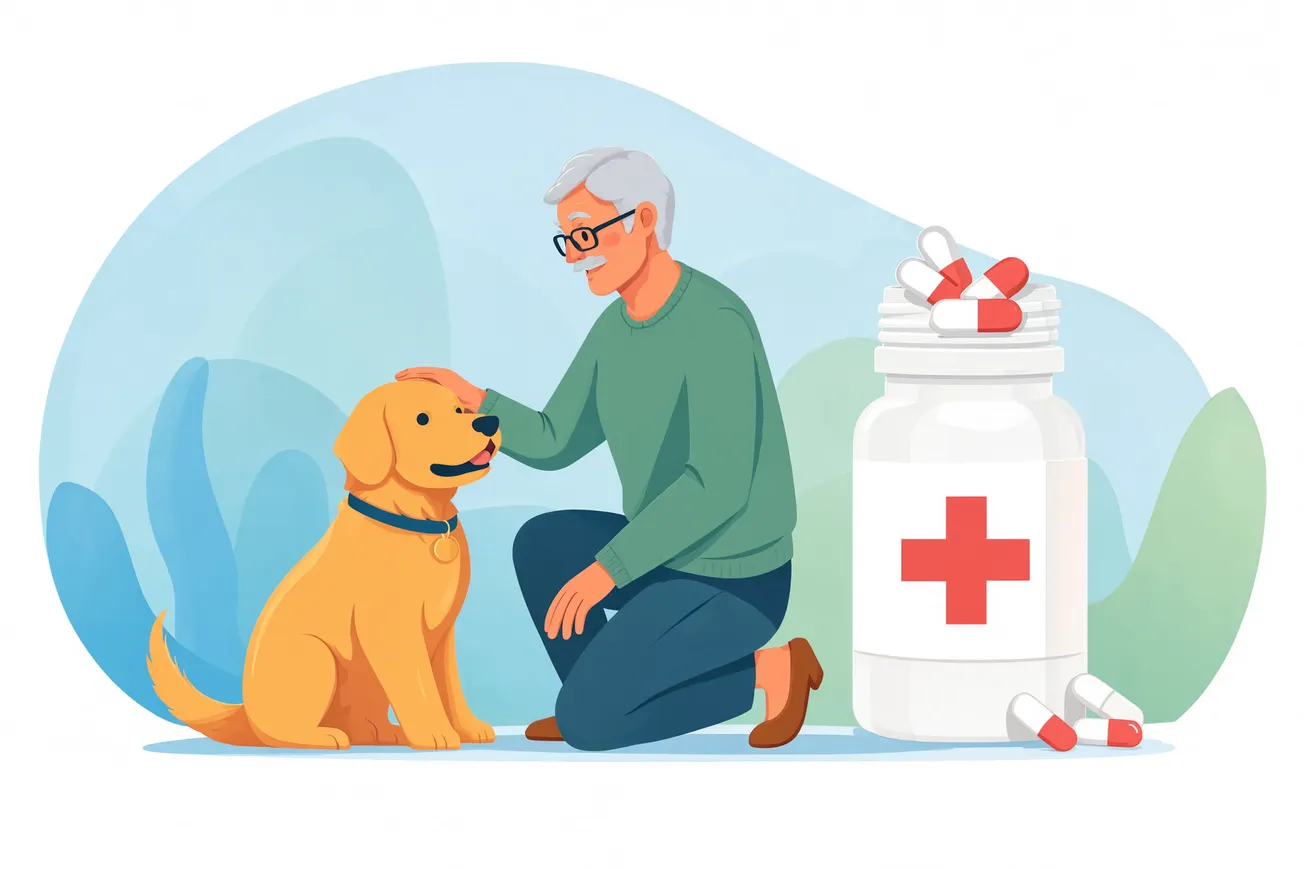
The FDA has received an increasing number of reports of pets accidentally overdosing on Apoquel Chewable (oclacitinib chewable tablets), a flavored chewable medicine approved only for dogs.
Accidental overdoses have been reported in both dogs and cats. However, cats are more likely than dogs to experience serious side effects if they take too much of the medication. As of April 2, 2026, there have been 259 reports of overdose in dogs and 64 reports in cats since the medication was approved by the FDA in June 2023.
How You Store the Medication is One Step to Your Pet’s Safety
Store flavored medications like Apoquel Chewable carefully. Keep the medication in its original packaging and in a location that pets cannot access, such as a high cupboard or cabinet with a child-resistant lock.
You can learn more about safe medication storage on our webpage Properly Store Medications to Keep Your Pet Safe.
You can also ask your veterinarian about switching to the unflavored, non-chewable Apoquel tablet.
What Is Apoquel Chewable Used For
Apoquel Chewable is a flavored, chewable tablet containing the active ingredient oclacitinib and requires a prescription from a veterinarian. It is used to control itching in dogs with skin allergies and to treat a chronic skin condition called atopic dermatitis, which is similar to eczema in people.
Apoquel Chewable is safe and effective for dogs older than 1 year when used at the recommended dose. Apoquel Chewable is not approved for cats.
Why Apoquel Chewable Can Be a Hazard
The pork-liver flavoring in Apoquel Chewable makes the medication appetizing and easier to give to dogs. However, this flavoring can also be highly desirable to some dogs and cats, causing them to eat large amounts of the medication if they can reach it.
In many cases, the dog or cat ingested a full or almost-full bottle of Apoquel Chewable.
An overdose of Apoquel Chewable can be life-threatening for both dogs and cats, but cats tend to develop more severe signs. Signs of an overdose in dogs and cats may include:
- Vomiting and diarrhea
- Lethargy (low energy or decreased activity)
- Redness of the eyes and swelling around the eyes
- Effects on the heart, brain, kidneys, and liver
These signs usually appear within 24 hours after an overdose.
What to Do if Your Pet Overdoses on Apoquel Chewable
If you suspect your pet has accidentally overdosed on Apoquel Chewable, call your veterinarian immediately.
If you can’t reach your regular veterinarian, contact a local emergency animal hospital or an animal poison control center.
Two animal poison control centers in the United States are available 24 hours a day, 365 days a year. These services charge a fee, but their veterinarians can provide immediate expert advice.
- ASPCA Animal Poison Control Center External Link Disclaimer: 1-888-426-4435
- Pet Poison Helpline External Link Disclaimer: 1-855-764-7661
When you talk to a veterinarian, it helps to have the following information ready:
- Your pet's weight
- The amount of medication ingested
- When the medication was consumed
- The product packaging
Report the Incident!
The FDA encourages you to report the incident to Zoetis, the manufacturer of Apoquel Chewable ( Customer Care Hub | Zoetis External Link Disclaimer).
For more information about reporting problems or side effects with an animal drug, see the FDA’s Report a Problem page.
Reporting problems with animal drugs helps the FDA monitor the safety of products after they are on the market and more easily identify potential safety concerns.
Manufacturer's Response
We reached out to Zoetis Petcare for a response to the FDA's bulletin but had not received one by the time this article was published. We will update this article if we receive one, however.
 Office of the Commissioner