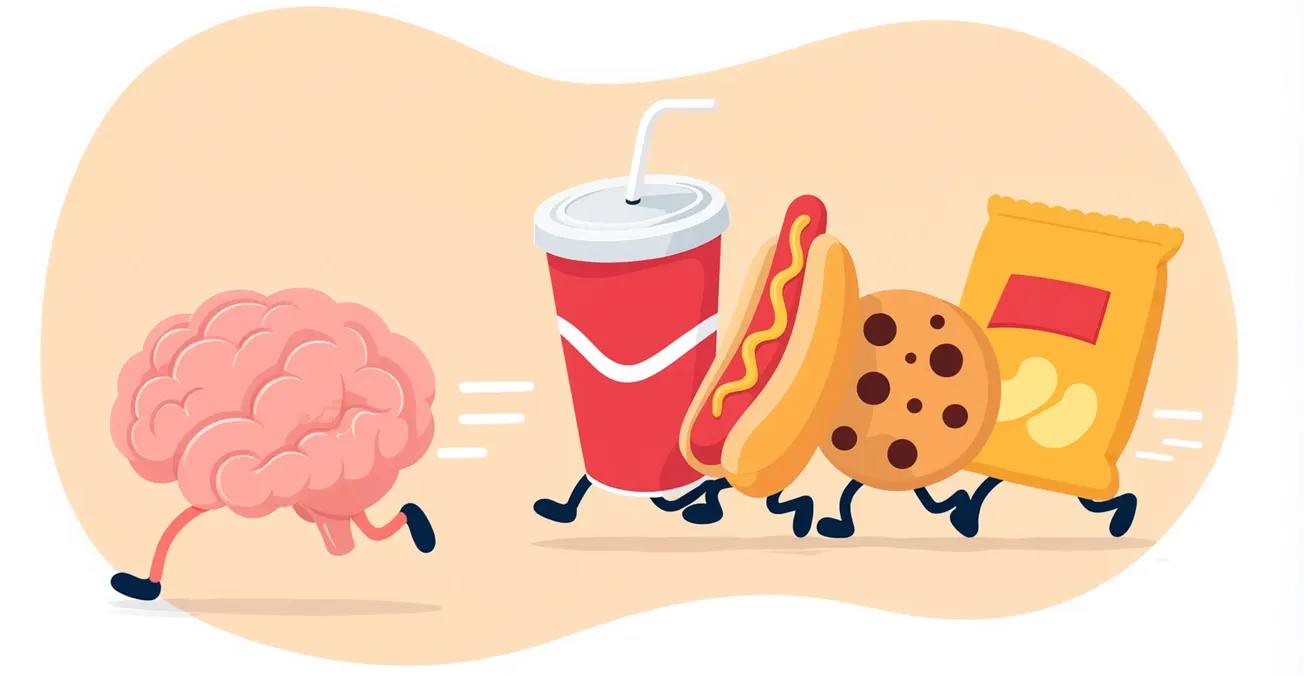
We know that ultra-processed foods are devilish, but new research covered by Harvard Health finds older adults eating the most ultra-processed foods have substantially higher dementia and cognitive-decline risk than those eating minimally processed diets.
But, for the people who stick to mostly whole and minimally processed foods, they had a 41% lower risk of developing dementia and a 24% lower risk of cognitive impairment without disease (CIND) compared with the people who ate the least.
In describing the study's results, Harvard's Joyce Hendley said that while the research doesn’t totally prove these dietary choices caused the differences in brain health, it does add to a list a mile long of the negative, cognitive decline-related effects ultra-processed foods are linked to: obesity, diabetes, hypertension, and high LDL (bad) cholesterol.
Smart Senior Daily also checked with Laura Bojarskaite, a neuroscientist and sleep researcher at the University of Oslo who studies brain health, aging, and dementia risk. She says the findings track closely with what’s known about how these diets generally affect the body.
“Ultra-processed foods likely affect the brain indirectly by increasing many of the very conditions that raise dementia risk, including obesity, diabetes, high blood pressure, and poor cardiovascular health,” she said.
Are any of those something you'd like on your health chart?
To keep that from happening, Bojarskaite says you don't need to train like you're trying to win Olympic gold.
“Simply replacing one ultra-processed meal or snack a day with more minimally processed foods is a realistic step that may benefit both body and brain," she told SSD.
 Smart Senior Daily Staff
Where to Begin Your Journey
SSD also spoke with Registered Dietitian Nutritionist Ilana Schachter, who told us that if you’re looking for a place to start, she suggests square one be looking at the ultra-processed foods you eat most often and, then, making out small sustainable swaps.
“Some of the first foods I recommend reducing are sugar-sweetened beverages, processed meats like bacon and hot dogs, packaged sweets such as cookies and pastries, and highly refined snack foods like chips. These foods tend to be high in added sugars, sodium, unhealthy fats, and refined carbohydrates while providing fewer nutrients that support healthy aging.”
Your New Best Friends
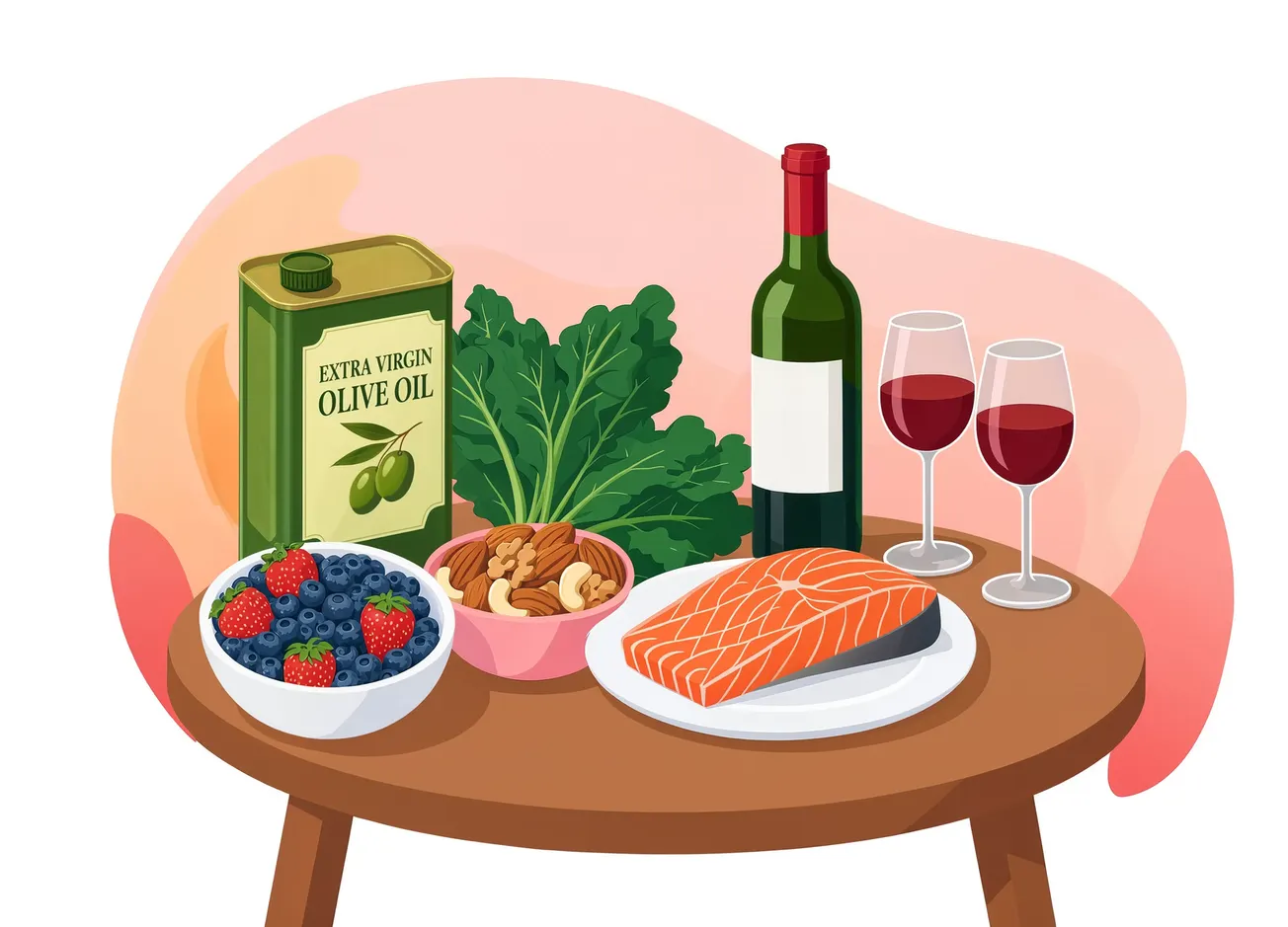
At that point, the seesaw should start leaning toward foods associated with cognitive health. Her priority list includes:
- colorful fruits and vegetables
- beans
- whole grains
- nuts and seeds
- fish rich in omega-3 fatty acids
- eggs
- minimally processed dairy or fortified alternatives
Bojarskaite emphasizes that making a complete overnight overhaul isn't necessary, either.
"Replacing even one ultra-processed meal or snack per day with more minimally processed foods may have meaningful benefits for overall health and, potentially, for long-term brain health," she said.
Are They Speaking Greek, Too?
And like others Smart Senior Daily has interviewed, Schachter gave props to the Mediterranean diet—for this reason if nothing else:
"(It) is a helpful framework because it emphasizes nutrient-dense foods that support cardiovascular health, which is closely connected to brain health.”
 Carolyn Ames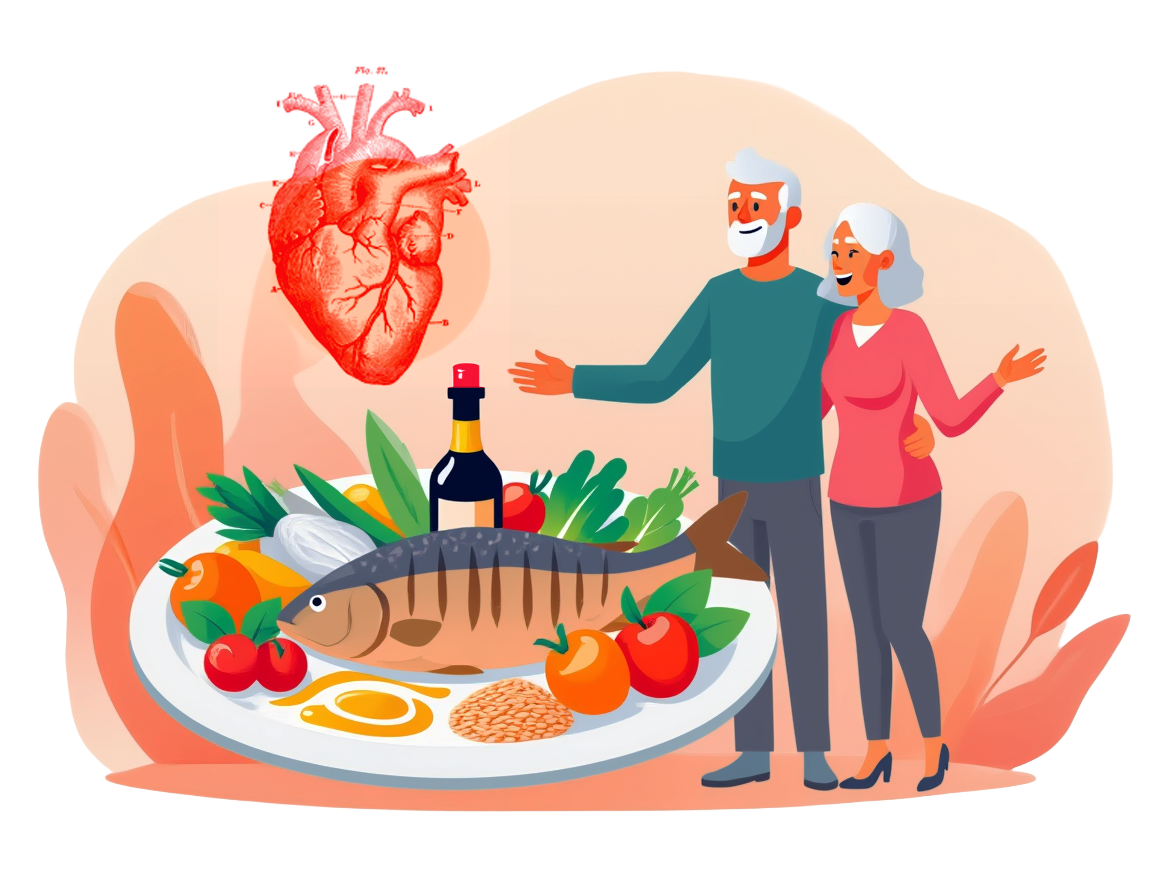
Here's a video explanation of what the research said and how you can take advantage.