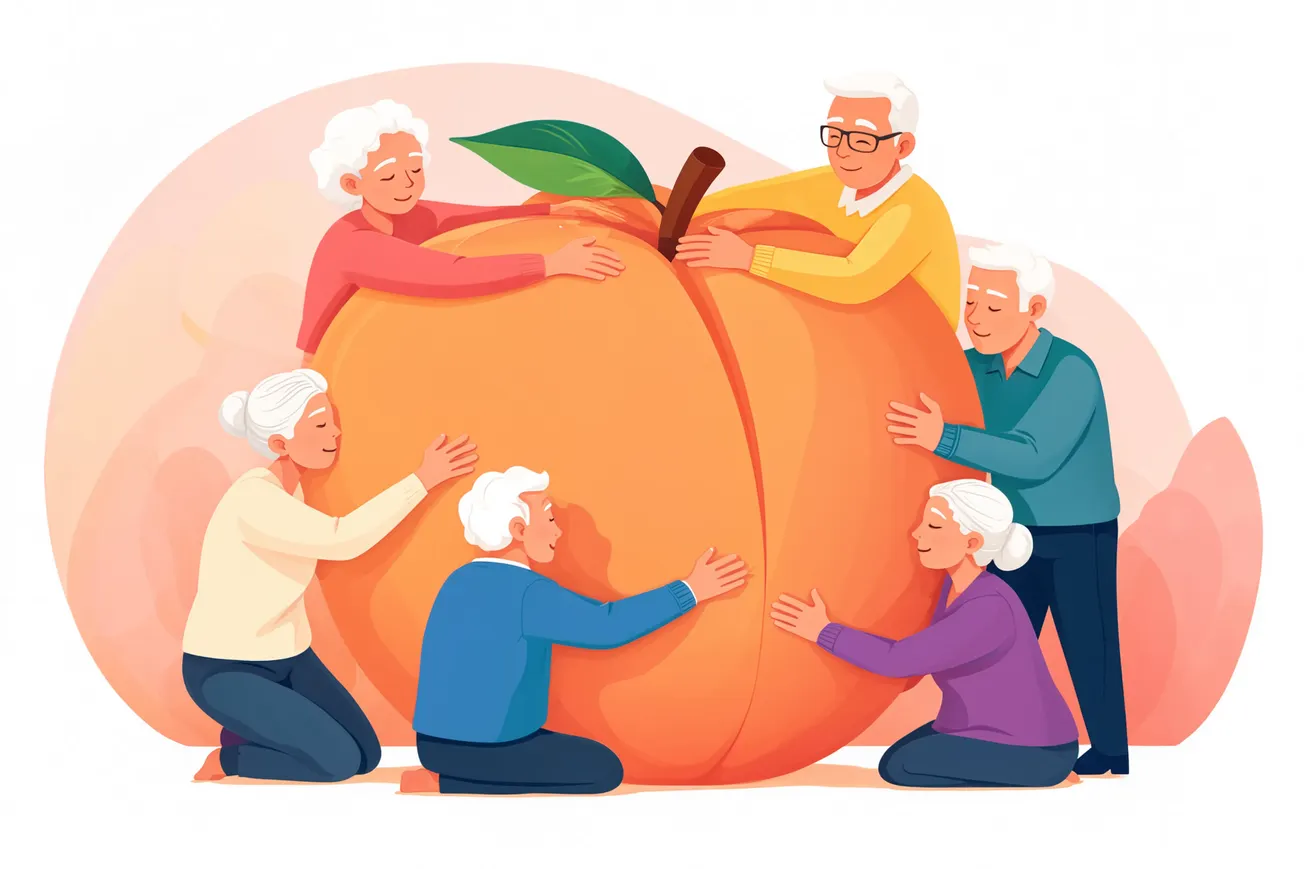
Every summer, there's a short window every summer when a peach is at its napkin-happy best. That window is open right now, and one worth taking advantage of.
Beyond being one of the great pleasures of the season, a ripe peach happens to be a genuinely smart thing to eat, especially once you're past 50 and paying closer attention to your heart, your gut, and your blood pressure.
Here's what's actually inside that fuzzy skin, and why it matters.
A lot of nutrition for almost zero calories
A medium peach weighs in around 59 calories, with roughly 2 to 3 grams of fiber, a gram of protein, no fat, and no sodium tagging along. For a fruit that tastes like dessert, that's a remarkably honest deal. If you've got a sweet tooth but you're watching your weight or your blood sugar, a peach scratches the itch without the cost that comes with most sweets.
You also get a useful spread of vitamins and minerals: vitamin C (13% of your daily requirement), vitamin A and beta-carotene, plus potassium, niacin, and smaller amounts of magnesium, copper, and iron.
Key is the potassium
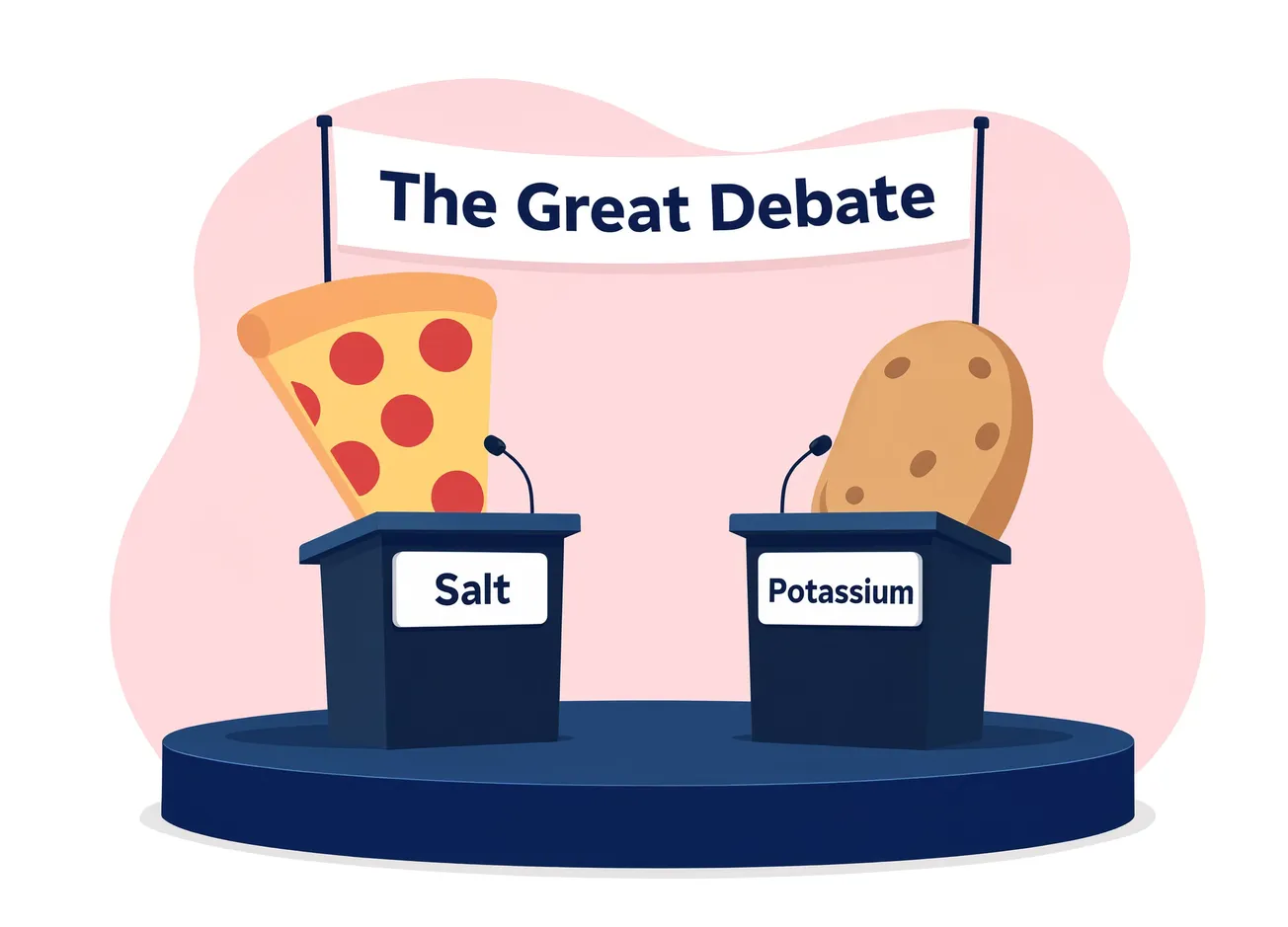
Potassium is the nutrient worth green-lighting here. It helps regulate heart rate and blood pressure by counteracting the effects of sodium in your diet – both things that can be of assistance in our quest for our long-term health.
Combined with the fiber, the potassium in peaches is part of why they're considered a heart-friendly fruit, with some evidence they may help nudge cholesterol and blood pressure in the right direction.
One caveat: if you have kidney disease or take a medication that affects potassium levels, that same potassium means you'll want to check with your doctor about how much fruit fits your plan. For most people it's a benefit; for some it's something to watch.
 Smart Senior Daily Staff
Digestion an issue? Being peachy helps here, too
Peaches carry both kinds of fiber – soluble and insoluble – and both make peaches even more of a plus. Soluble fiber helps stabilize blood sugar and keeps cholesterol in check; insoluble fiber keeps things moving and helps prevent constipation (unfortunately, something that gets more common, as we age. Eating the skin rather than peeling it is the easy way to get the most fiber and the most antioxidants out of every peach.
The antioxidant aspect and what science does and doesn't say
Along with vitamin C, peach flesh is brimming with carotenoids, and a family of plant compounds called polyphenols. Nothing to lose here, either; a diet rich in antioxidants is associated with some protection against the wear-and-tear of aging and certain illnesses.
But, tightening the science hat on our head, this aspect, while promising, is where people who write about food tend to overpromise. A lot of the most dramatic findings — polyphenols slowing cancer-cell growth, for instance — come from test-tube and laboratory studies, not from trials in people.
There's also an interesting long-term observation that postmenopausal women who ate at least two servings of peaches or nectarines a week had lower rates of certain breast cancers, but that's an association, not scientific proof.
The honest takeaway? Peaches are a nutrient-dense, yes; antioxidant-rich fruit that belongs in a healthy diet, yes; but no single fruit is medicine. Eat them because they're good for you and they're delicious, and not because you think they're going to cure you of something.
(One fun aside for the botanically curious: those same defensive plant compounds were the subject of a 2026 study showing peach trees ramp up proanthocyanidin production to fend off a bacterial disease. The plant uses them as armor; we get to enjoy them as nutrition.)
Making the most of peach season
One look at the label of a can of peaches will tell you that fresh beats canned every time.
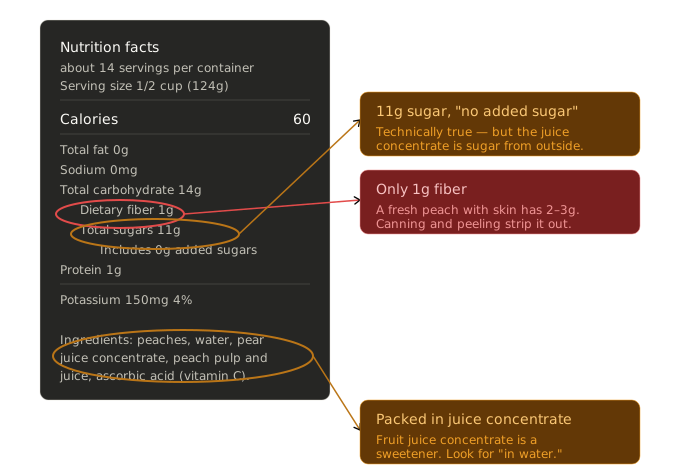
However, fresh peaches carry higher antioxidant levels and appear better at protecting against oxidative damage than the canned version that's swimming in the deep end of syrup.
A few simple ways to enjoy them while they're at their peak:
- Eat one out of hand, skin and all, over the sink like you did as a kid.
- Slice them over plain Greek yogurt for fiber, protein, and potassium in one bowl.
- Grill halves for a few minutes and serve warm — heat concentrates the sweetness, no sugar required.
- Chop them into a salad with greens, a little cheese, and a splash of vinegar.
Buy them slightly firm and let them finish on the counter, not in the fridge. A peach kept cold never quite develops the flavor it's capable of.
The season is short. This is the time of year a peach actually tastes like a peach — so enjoy them now, and know that one of summer's great pleasures is quietly doing your heart, your gut, and your blood pressure a favor.