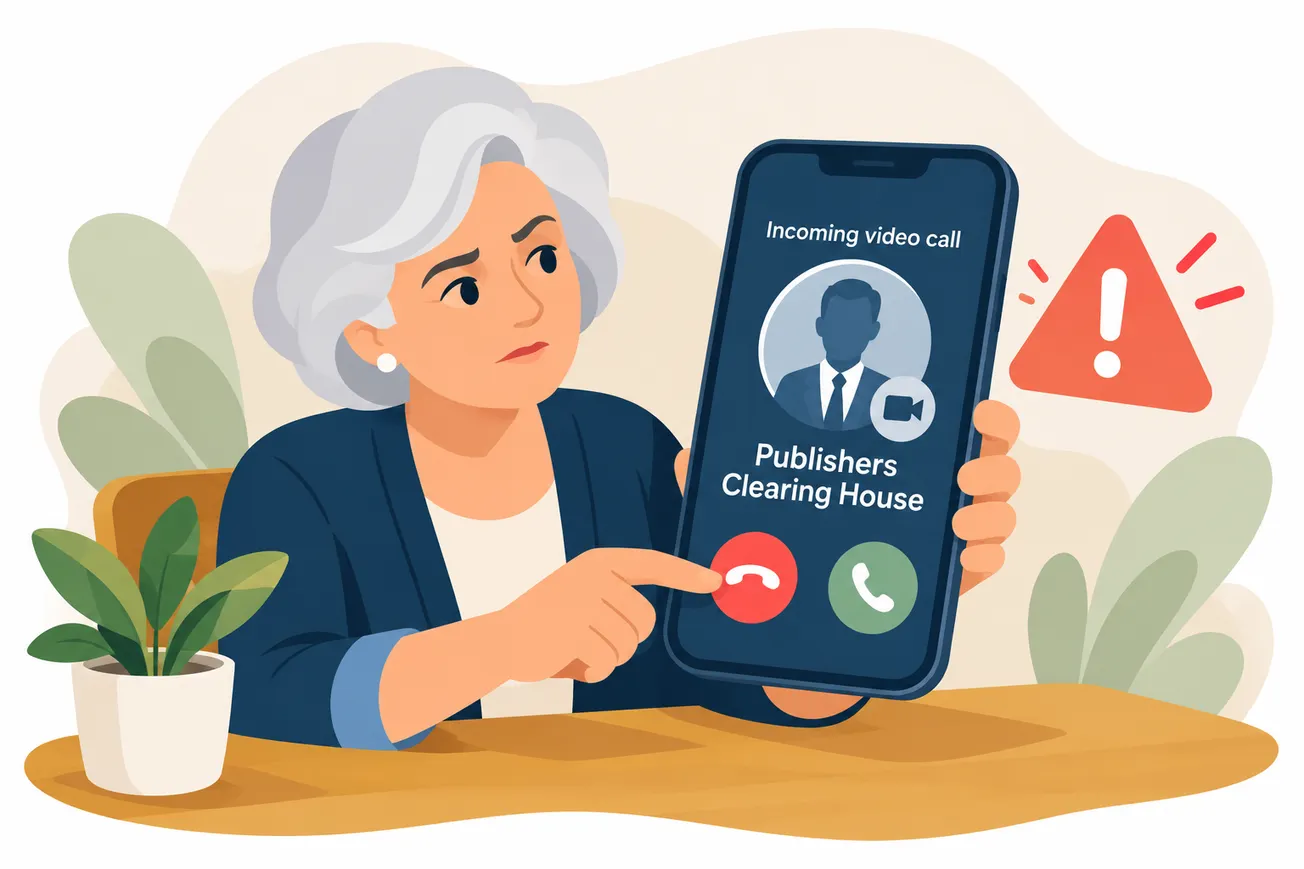
If you've ever felt buried under health advice — the standard-issue walk more, stress less, eat better, sleep longer, stay social sermon — you're not alone. After 60, it can feel like everything matters urgently and simultaneously, which is its own kind of exhausting.
Here's what actually helps: not doing more, but understanding how things connect — and then choosing what supports you right now, not some idealized version of you with unlimited time and willpower.
Physical Health: The Foundation, Not the Whole Story
Physical health gets most of the airtime, and for good reason. Movement, nutrition, and sleep are genuinely important. But they're also not the entire story, and treating them that way is how people end up quitting before February.
The habits that actually move the needle aren't usually the dramatic ones:
- Moving in ways that feel safe and enjoyable — not punishing
- Eating regular meals (consistency beats optimization)
- Keeping a sleep routine your body can count on
When those basics are reasonably in place, energy improves. And energy is what makes everything else feel possible.
 Smart Senior Daily Staff
Mental Health: More Than Manufactured Cheerfulness
Mental health after 60 isn't about performing optimism or pretending difficulty isn't difficult. Instead, it's about two things: 1) feeling steady enough to handle what comes; 2) having some honest idea of what you need when you don't.
You may not like this, but the things that actually support mental well-being tend to be drab and unglamorous:
- A daily rhythm that gives structure without rigidity
- Feeling useful, engaged, or even just interested in something
- Rest that doesn't come wrapped in guilt
Worth saying plainly: worry, sadness/grief, and frustration aren't signs of failure. They're signals. The goal isn't to eliminate them. It's to notice them early enough and instead of writing them off as a blip on the radar, do something useful.
Social Connection: The Quiet Load-Bearer
Social connection tends to get underestimated because it doesn't come with a fitness tracker or a supplement aisle. But its place on wellness must-do list quietly underpins both physical and mental health in ways that still surprise researchers.
Regular connection can:
- Lift mood more reliably than most interventions
- Nudge you toward activity you'd otherwise skip
- Break the feedback loop of isolation, which tends to compound
And it doesn't require a packed social calendar. Something simple like a standing phone call, a shared hobby, a neighbor you actually talk to, taking part in a group activity. These aren't consolation prizes. They're often enough to make a difference.
How These Areas Talk to Each Other
This is the part that changes how you think about all of it. When you think about it, just about everything in our bodies and heads has a connection.
- Better sleep makes mood more stable. ✅
- Improved mood makes movement feel less like a chore. ✅
- Regular movement builds the kind of confidence that makes showing up for people easier. ✅
- Social connection reinforces routine. ✅
- Reduced stress eases physical discomfort. ✅
And around it goes.
You don't have to fix everything. Wellness experts will tell you that taking a more durable approach is how you win:
- Start by picking one small habit and actually do it
- Let progress be gradual enough to stick
- Adjust as your circumstances change — because they will
Consistency wins. Intensity burns out.
 Gary P Guthrie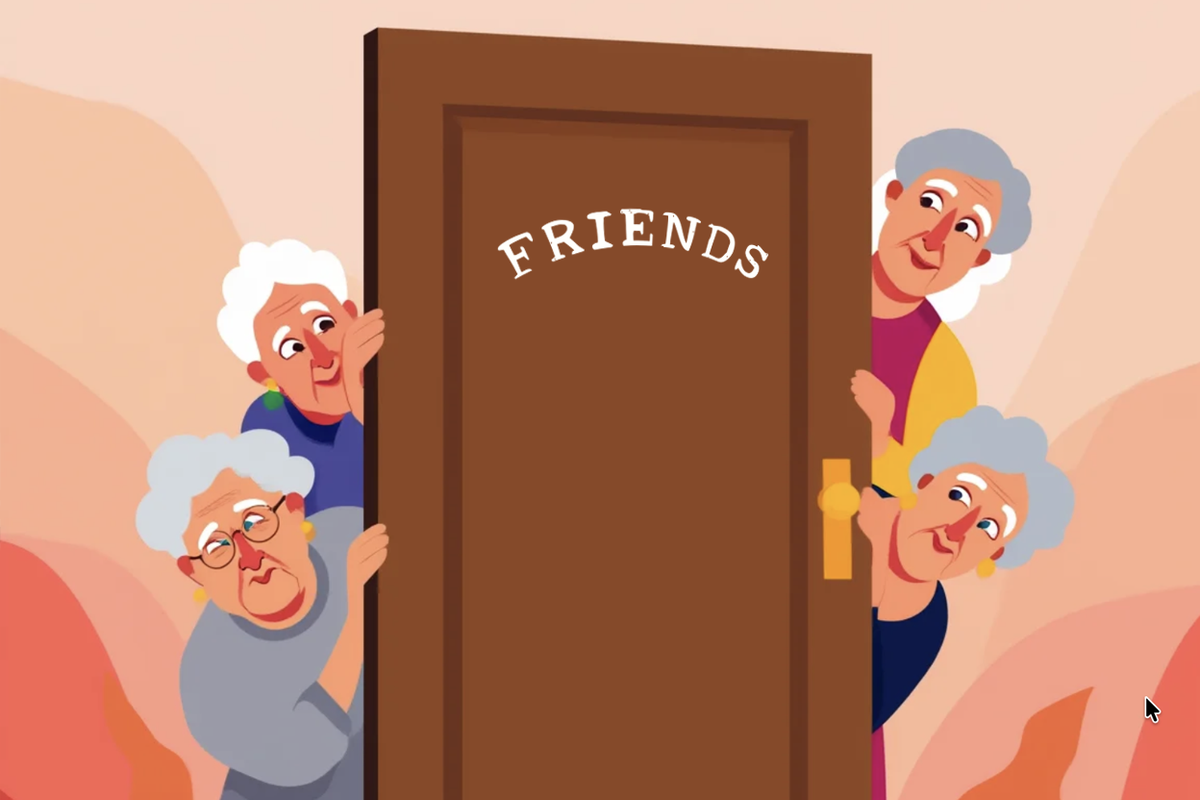
Making Wellness Personal
There is no universal formula here, no magic pill, no traveling to Costa Rica for an Ayahuasca retreat. Age, health history, living situation, energy levels, temperament — they all shape what "healthy" looks like for any given person.
Three questions worth sitting with:
- What genuinely helps me feel steadier?
- What drains my energy for no real return?
- What feels manageable — not ideal, just manageable — right now?
Write those three things down, pick one out that gets your attention, and start there.
A Final Thought Worth Keeping
Health after 60 isn't a checklist you're behind on. It's an ongoing negotiation between your body, your mind, and the life you're actually living.
When you stop treating wellness as a set of separate tasks to conquer and start seeing it as something connected — something responsive — it becomes less like a performance and more like just taking care of yourself.
Small, consistent choices, made with some basic kindness toward yourself, are genuinely enough. That's not a consolation message. It's just true.